
Planning a deck in Toronto is not just about materials and design. Permit fees, site preparation, and local bylaws can shape your total budget before construction even begins. Many homeowners underestimate these early costs, which leads to delays or redesigns once work is already scheduled.
When is a permit required in Toronto? What entails applying for one for your deck construction? Read further for concrete guidance and useful insights.
Related Article: 10 Must-Ask Questions Before You Build Your Deck
When a Deck Permit Is Required in Toronto
In Toronto, deck permits are regulated by the City of Toronto and enforced under the Ontario Building Code. Permits exist to ensure decks are structurally sound, safe to use, and compliant with zoning and setback rules.
A permit is generally required when a deck:
- Is attached to the house, which affects structural loading and building envelope safety
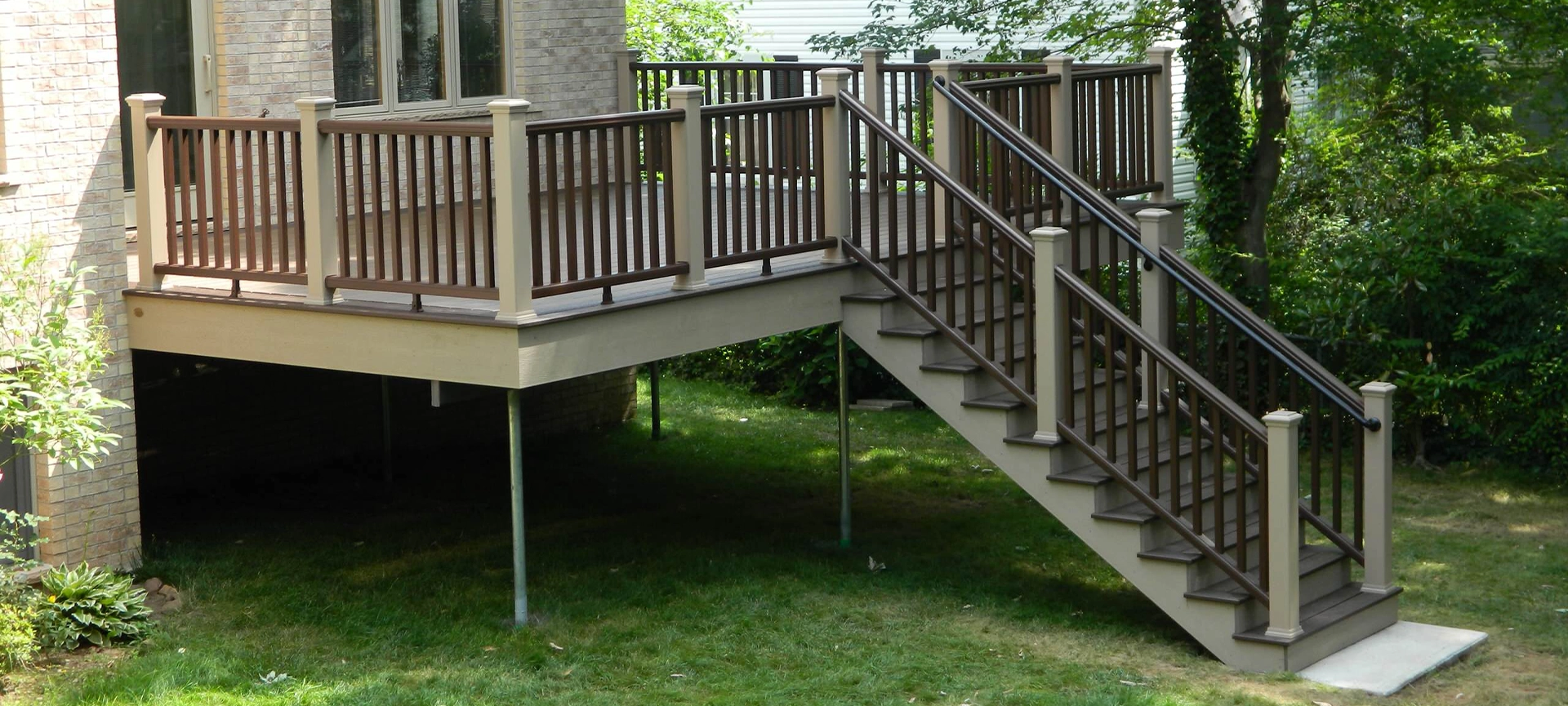
- Is more than 24 inches above grade, triggering guard and fall-protection requirements
- Supports a roof, pergola, or enclosed structure, increasing load calculations
- Includes guards, stairs, or landings that must meet specific height, spacing, and handrail standards
Even decks that sit close to the ground may require approval. Ground-level decks can still impact drainage patterns, lot coverage limits, and minimum setbacks from property lines. In older Toronto neighbourhoods, these factors are closely reviewed due to tighter lots and shared infrastructure.
Skipping the permit process can create serious issues. Unpermitted decks may be subject to stop-work orders during construction, fines after completion, or forced removal if they fail inspection during a future sale or insurance review.
Securing permits upfront protects both the homeowner and the long-term value of the property.
Related Article: When Is the Best Time for Permit Drawings in Ontario?
Average Deck Permit Costs in Toronto
Permit fees in Toronto are based on deck size and construction value. While exact fees can vary, most homeowners should expect the following ranges:
- Small decks (up to 108 sq. ft.): $200 to $300
- Medium decks (109 to 300 sq. ft.): $300 to $450
- Large decks (over 300 sq. ft.): $450 to $700+
These fees typically cover plan review and inspections. Revisions, resubmissions, or zoning reviews may increase costs.
Permit timelines often range from two to six weeks, depending on workload and project complexity. Factoring this into your schedule helps avoid delays during peak building season.
What Is Included in Site Preparation Costs
Site preparation ensures the deck is built on stable, compliant ground. In Toronto, this step often represents a meaningful portion of the project budget.
Ground Levelling and Grading
Uneven yards, sloped lots, or poor drainage require levelling before footings can be installed. Grading costs typically range from $1,000 to $3,000, depending on access and soil conditions.
Proper grading protects the deck structure and prevents water from pooling near the foundation.
Excavation for Footings
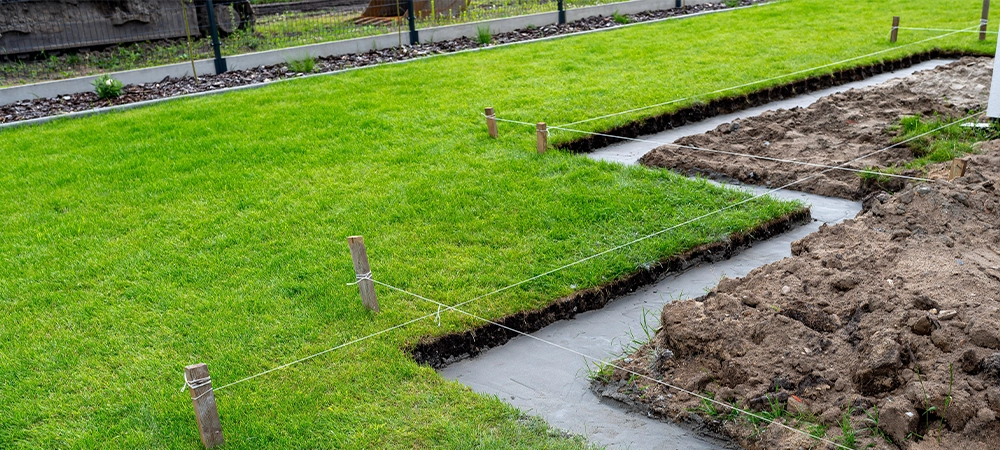
Most decks require concrete footings set below the frost line. Excavation costs depend on depth, soil type, and accessibility.
Typical costs include:
- Manual digging in tight spaces: higher labour costs
- Machine excavation: lower labour but requires access
Homeowners can expect footing excavation and concrete work to range from $1,500 to $4,000 for standard decks.
Soil Conditions and Drainage Adjustments
Clay-heavy soil, high water tables, or poor drainage can increase prep costs. Additional gravel bases, drainage layers, or reinforced footings may be required to meet code standards.
While these upgrades add cost upfront, they reduce long-term movement and structural issues.
Tree Removal and Obstruction Clearing
Trees, stumps, old patios, or previous deck structures must be removed before construction begins.
Average costs include:
- Small tree or stump removal: $500 to $1,000
- Large tree removal: $1,500 to $3,000+
- Demolition of existing deck or patio: $1,000 to $2,500
Permit approvals may also require tree protection plans if mature trees are nearby.
Related Article: Do I Need a Permit to Resurface My Deck in Toronto?
Utility Locates and Compliance Costs
Before any excavation begins, utility locates are required to identify underground gas, water, electrical, and communication lines. In Toronto, this step is mandatory and protects both workers and property from costly damage.
Basic utility locates are usually provided at no charge. However, delays are common during peak construction months, especially if multiple services must be marked or re-marked due to weather, faded paint, or site changes.
Each delay can push excavation and inspection dates back by days or weeks.
When utilities run through planned footing locations, compliance adjustments are required. This may involve shifting post placement, redesigning beam spans, or installing deeper or offset footings to meet clearance rules.
In some cases, additional concrete, engineering input, or revised drawings are needed, all of which increase labour and material costs.
Early site checks and coordinated locates help reduce these risks. Addressing utility conflicts at the planning stage keeps the project compliant and avoids last-minute changes once construction is underway.
How Zoning and Setbacks Affect Costs
Toronto zoning bylaws regulate how close a deck can be to property lines, fences, and neighbouring structures.
When setbacks are tight:
- Deck size may need adjustment
- Engineering drawings may be required
- Committee of Adjustment applications may apply
Minor variances can add several thousand dollars and months to the timeline, making early planning essential.
Total Site Prep Cost Range for Toronto Decks
While every project is different, most Toronto homeowners should budget:
- Basic site prep: $2,500 to $4,000
- Moderate prep with grading and excavation: $4,000 to $7,000
- Complex sites with drainage or demolition: $7,000 to $10,000+
These costs are separate from decking materials and labour.
Related Article: Save Money on Your Deck When Resurfacing Makes More Sense Than Rebuilding
Why Professional Planning Saves Money
Experienced contractors understand local permit requirements, soil conditions, and inspection expectations. Proper planning reduces redesigns, failed inspections, and construction delays.
Green Side Up Contracting works with Toronto homeowners to assess permit needs, site conditions, and realistic budgets before work begins, helping projects stay on schedule and compliant.
We also provide assistance and services like landscaping, fencing, pool construction, and many more.
Planning Your Budget With Confidence
Deck projects succeed when early costs are understood clearly. Permits, excavation, and site prep are not optional steps. They form the foundation of a safe, long-lasting structure.
Budgeting accurately at the planning stage helps avoid rushed decisions, cost overruns, and approval issues once construction starts.
If you are planning a deck in Toronto, early guidance makes a difference. Green Side Up Contracting provides clear estimates, permit support, and site assessments so you can move forward with deck construction with no hassles along the way.
Speak with our team to review your property and get a realistic project plan in place.
Frequently Asked Questions
Do I need a permit for a ground-level deck in Toronto?
In many cases, yes. Even low decks may require permits if they affect drainage, setbacks, or are attached to the home.
How long does it take to get a deck permit approved?
Approval timelines usually range from two to six weeks. Complex designs or revisions can take longer.
Can I apply for a deck permit myself?
Homeowners can apply directly, but many choose contractors to manage drawings, submissions, and revisions.
Are permit fees refundable if plans change?
Permit fees are generally non-refundable, even if plans are modified or cancelled.
What happens if I build a deck without a permit?
Unpermitted decks can result in fines, stop-work orders, or removal requirements during resale or inspection.
Do site prep costs increase in older Toronto neighbourhoods?
Older areas often have tighter access, mature trees, and drainage challenges, which can increase prep costs.
Can winter construction reduce site prep costs?
Winter builds may lower labour demand, but frozen ground and weather constraints can offset savings.