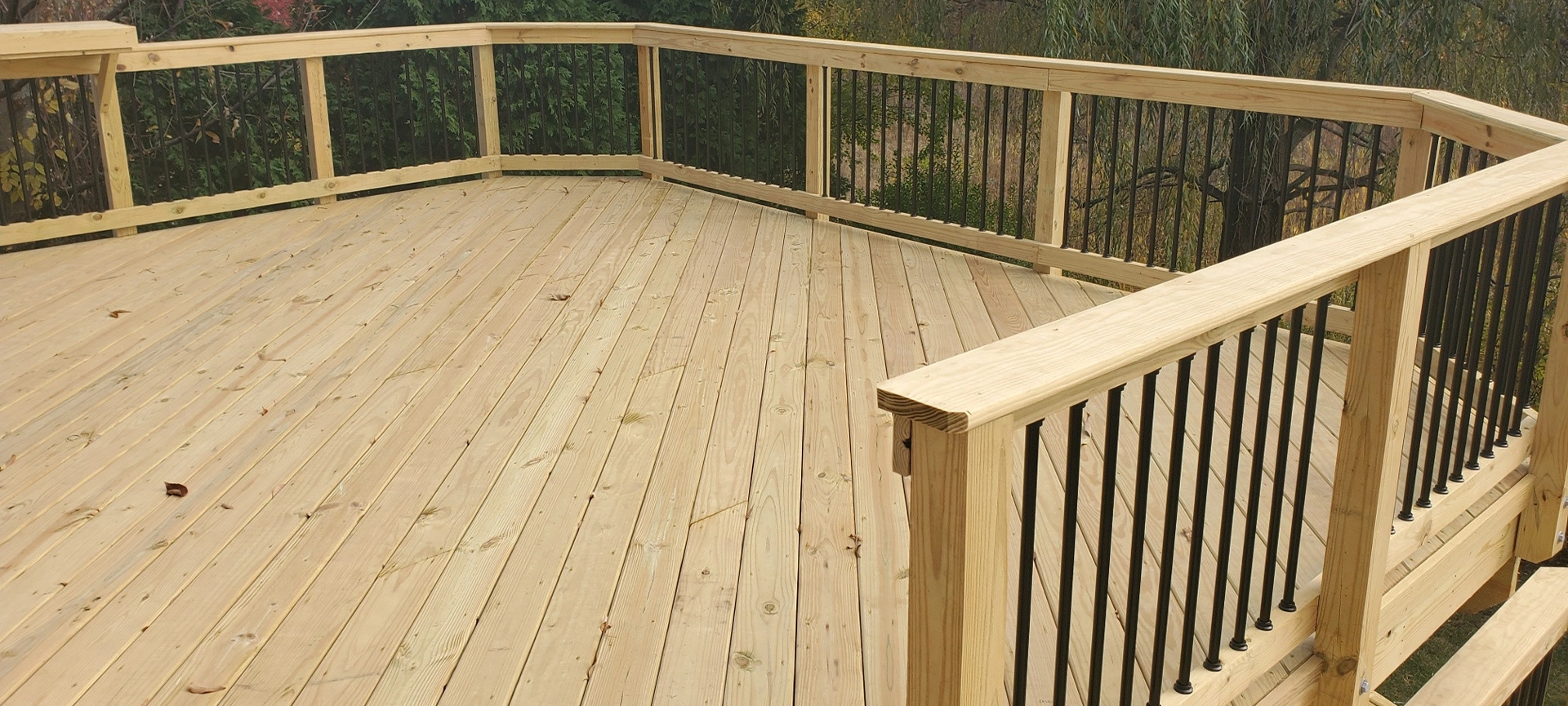

Pressure-treated pine remains one of the most common decking materials in the Greater Toronto Area. It is affordable, widely available, and familiar to many homeowners. However, lower upfront cost does not always mean lower long-term value.
Before choosing pressure-treated lumber for your deck, it is important to understand its limitations. Climate, maintenance demands, appearance, and lifespan all influence whether it is the right material for your property.
Moisture Movement and Warping
Toronto experiences heavy rain, humid summers, and freeze-thaw cycles. Pressure treated pine absorbs moisture easily because it is a softwood. Even when treated, it expands and contracts as conditions change.
Common issues include:
- Warping and twisting
- Cupping along board edges
- Surface cracking and checking
- Nail and screw popping
When boards shift, gaps widen, and surfaces become uneven. This affects both appearance and safety. Over time, movement can loosen fasteners and compromise structural stability.
For homeowners who want a smooth, consistent deck surface, pressure-treated pine often requires frequent adjustment and board replacement.
Ongoing Maintenance Requirements
Pressure treated decks demand consistent care. Unlike composite materials, they cannot be left untreated.
To maintain performance, homeowners must:
- Clean annually to prevent mould and mildew
- Sand rough areas as wood fibres lift
- Apply stain or sealant every two to three years
- Replace damaged or split boards
If maintenance is skipped, the wood grays unevenly and becomes more vulnerable to rot. In shaded backyards across the Greater Toronto Area, algae growth can also create slippery surfaces.
Maintenance costs add up over time. Labour, cleaning products, stain, and sealant should all be factored into the long-term investment.
Related Article: Benefits of Trex Composite Decking
Shorter Lifespan Compared to Alternatives
While pressure-treated lumber is treated to resist decay, it still has a shorter lifespan than composite or high-end hardwood decking.
On average:
- Pressure-treated pine: 10 to 15 years with proper maintenance
- Composite decking: 25 to 30 years or more
- Cedar or hardwood: 15 to 25 years, depending on species
Exposure to snow, pooled water, and poor ventilation accelerates deterioration. Boards in high-traffic areas often wear faster and may need replacement before the rest of the structure.
When comparing total ownership cost, replacement timelines matter.
Surface Splintering and Comfort Issues
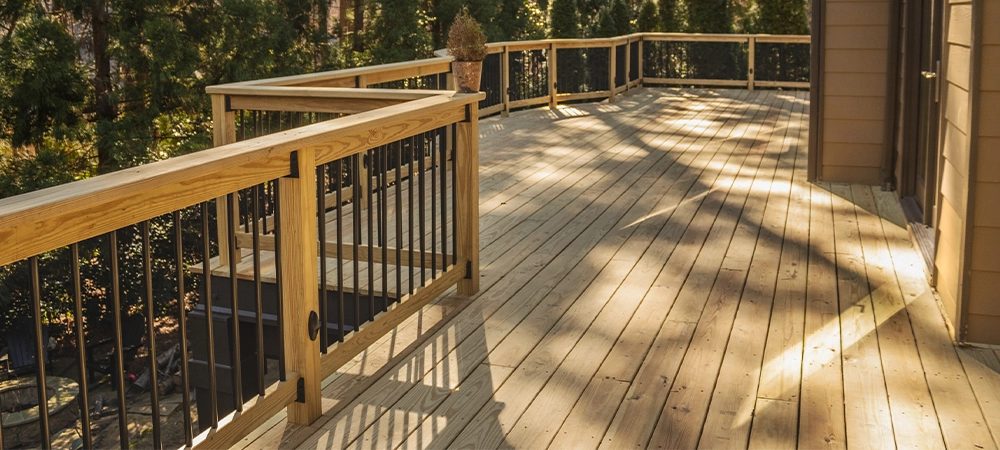
As pressure-treated pine ages, it dries out and surface fibres lift. This leads to splintering.
For families with children or pets, splinters are a practical concern. Bare feet on older wood decking can be uncomfortable, especially if boards crack or roughen over time.
Even with sanding and sealing, softwood surfaces degrade faster than composite alternatives.
Appearance Limitations
Fresh pressure treated pine has a greenish tint due to preservative chemicals. While this fades over time, colour variation is common.
Homeowners often stain pressure treated decks to improve appearance. However:
- Stain absorbs unevenly
- Knots become more visible
- Colour fades faster in direct sunlight
If aesthetic consistency is a priority, pressure treated lumber may not deliver the same visual appeal as composite or premium wood species.
Chemical Treatment Concerns
Pressure-treated lumber is infused with preservatives to resist insects and rot. Modern treatments are safer than older formulas, but chemicals remain present in the wood.
While safe for typical residential use, considerations include:
- Avoiding use for food preparation surfaces
- Wearing protection when cutting or sanding
- Proper disposal of scrap materials
Homeowners seeking fully natural materials may prefer cedar or composite alternatives.
Related Article: PVC vs. Composite Decking: What’s the Difference?
Higher Long-Term Cost Than Expected
Pressure-treated pine has a lower upfront cost compared to composite decking. However, when factoring in:
- Regular staining
- Board replacement
- Labour for sanding and repairs
- Shorter lifespan
The total long-term investment can approach or exceed other decking materials.
Many homeowners choose pressure-treated lumber initially to reduce costs, then replace the deck earlier than expected due to wear and maintenance fatigue.
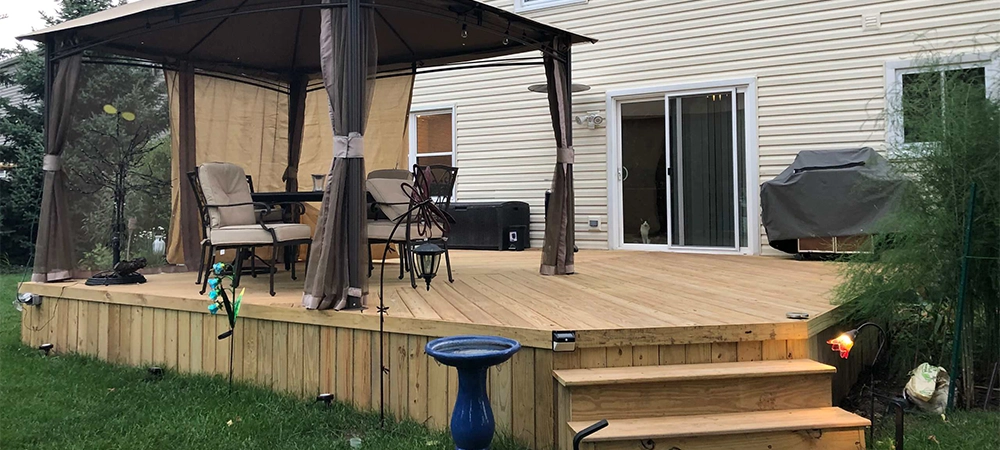
Structural Movement and Fastener Issues
Because pressure treated pine expands and contracts significantly, fasteners can loosen over time.
Common structural concerns include:
- Raised nail heads
- Corroded screws if improper fasteners are used
- Movement at ledger connections
Proper installation reduces risk, but material movement remains a factor.
An experienced contractor will account for spacing, ventilation, and hardware compatibility to limit long-term issues.
Related Article: 10 Best Wood Decking Options for Your Home
How Climate in the Greater Toronto Area Affects Performance
Snow accumulation, spring thaw, and summer humidity all stress softwood decking.
Moisture trapped beneath boards can accelerate rot. Improper drainage or low deck height increases risk. Shaded properties often experience slower drying times after rainfall.
For homeowners in Toronto and York Region, material choice should reflect local climate realities.
When Pressure-Treated Pine May Still Make Sense
Despite its disadvantages, pressure-treated pine remains suitable in certain situations:
- Budget-conscious projects
- Temporary decks
- Low-to-ground platforms
- Homeowners prepared for regular upkeep
Professional deck installation improves longevity. Proper joist spacing, ventilation, and high-quality fasteners make a significant difference.
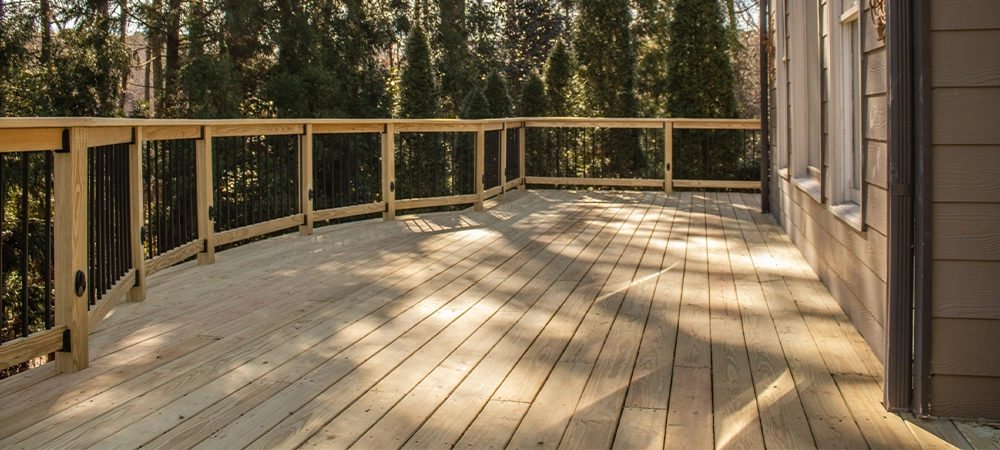
Choosing the Right Material For Your Deck
Selecting decking material requires balancing cost, lifespan, maintenance, and appearance. Pressure-treated pine offers affordability but demands ongoing care and earlier replacement.
For homeowners planning long-term outdoor living spaces, comparing material performance carefully prevents regret.
Green Side Up Contracting serves the Greater Toronto Area and York Region with custom deck construction, restoration, and landscaping solutions. As an 11-time HomeStars winner, the company builds decks designed for Canadian climate conditions and long-term durability.
If you are evaluating decking materials, speak with a professional before making a final decision.
Build Smarter For Long-Term Value
A deck should increase property value, comfort, and usability. Material selection determines how much time and money you will invest over the years.
If you are considering a new deck or replacing an aging one, consult with an experienced contractor who understands local building standards and climate demands.
Call Green Side Up Contracting today to discuss your decking options and request a free estimate.
Frequently Asked Questions
Does pressure treated pine rot faster in shaded backyards?
Yes. Limited sunlight slows drying time after rain or snow melt. Prolonged moisture exposure increases the risk of rot and surface mould development.
Can you switch from pressure treated to composite later?
Yes, but framing must be inspected. Composite boards often require specific joist spacing and structural support adjustments before installation.
Is pressure treated pine safe for raised decks?
It is structurally suitable when properly installed and maintained. However, long-term durability depends on ventilation, drainage, and consistent upkeep.
How often should a pressure treated deck be sealed in Toronto?
Most decks require sealing every two to three years. High exposure to sun or moisture may require more frequent maintenance.
Does pressure treated wood crack in winter?
Freeze-thaw cycles cause expansion and contraction. Over time, this leads to surface checking and deeper cracks if maintenance is neglected.