
Planning a new deck in 2026 starts with one question: how much is it actually going to cost? The answer is not as simple as a flat number. Deck pricing depends on materials, size, design, and even what your yard looks like before construction begins.
Some homeowners expect a small upgrade and end up facing structural costs they did not plan for. Others invest more upfront and avoid years of maintenance and repairs. The difference comes down to understanding where your money goes.
This guide breaks down realistic deck costs in 2026 and explains what drives those numbers so you can plan with clarity.
Related Article: 10 Must-Ask Questions Before You Build Your Deck
What Does a New Deck Cost in 2026?
Most decks are priced per square foot, but that number only tells part of the story.
In 2026, typical installed costs look like this:
- Pressure-treated wood: $35 to $60 per sq. ft.
- Cedar: $50 to $85 per sq. ft.
- Composite decking: $70 to $120 per sq. ft.
- PVC or premium materials: $90 to $140+ per sq. ft.
For a standard deck around 200 square feet, most homeowners fall into these ranges:
- Basic build: $7,000 to $11,000
- Mid-range: $11,000 to $18,000
- High-end: $18,000 to $30,000+
These figures include labour and a standard structure. Once you start adding features, the price shifts quickly.
Why Deck Costs Vary More Than Expected
Two decks of the same size can have completely different costs. The difference usually comes down to details that are not obvious at first.
Materials Set the Direction of Your Budget
Material choice shapes both your upfront cost and how much you will spend over time.
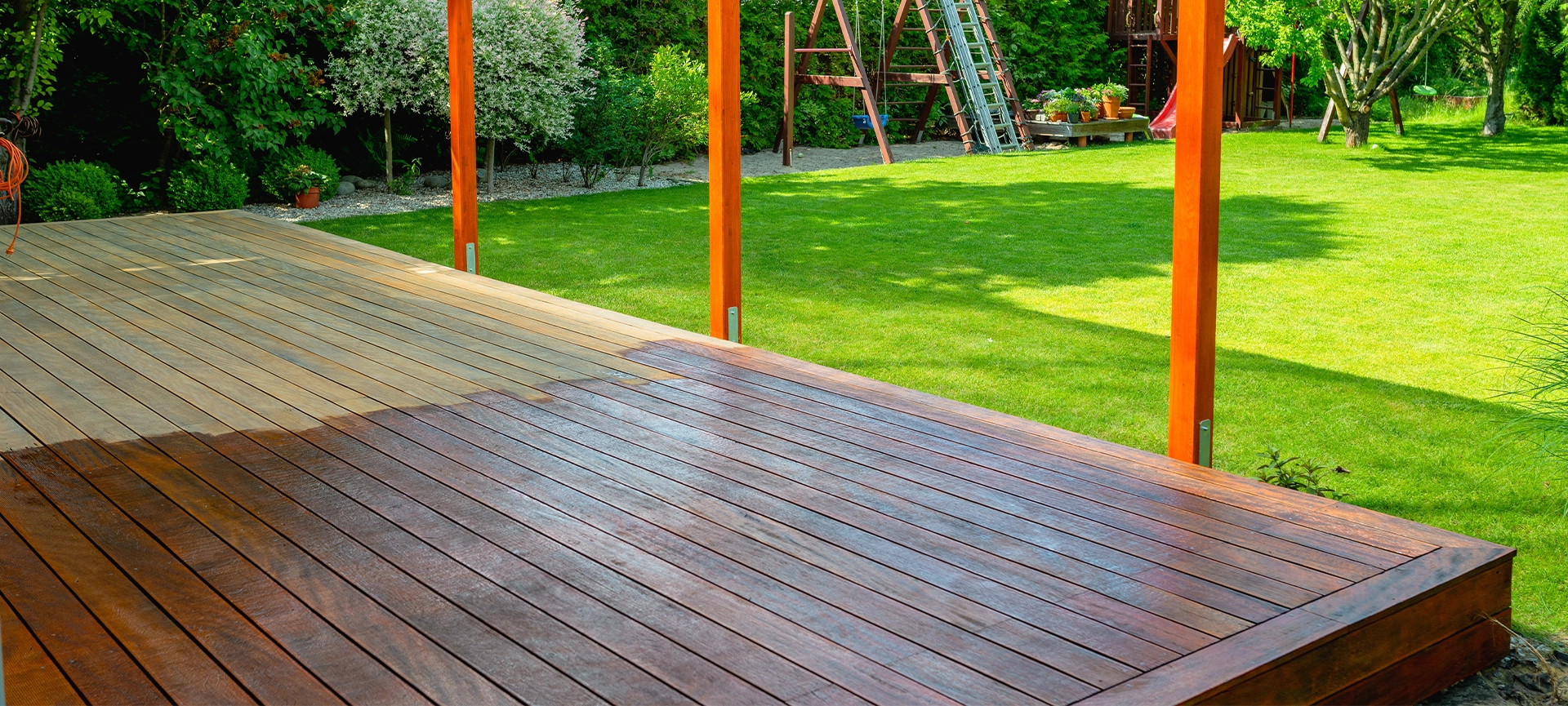
Pressure-treated lumber is the most affordable option, but it needs regular sealing and can wear faster. Cedar sits in the middle, offering a better appearance and longer lifespan. Composite and PVC cost more upfront but require very little maintenance.
A cheaper material does not always mean a cheaper deck long term. It often means more work and expense later.
The Layout Changes Everything
A simple rectangular deck is the most cost-efficient to build. Once you move beyond that, labour increases.
Design features that raise costs include:
- Multi-level platforms
- Angled edges or curved sections
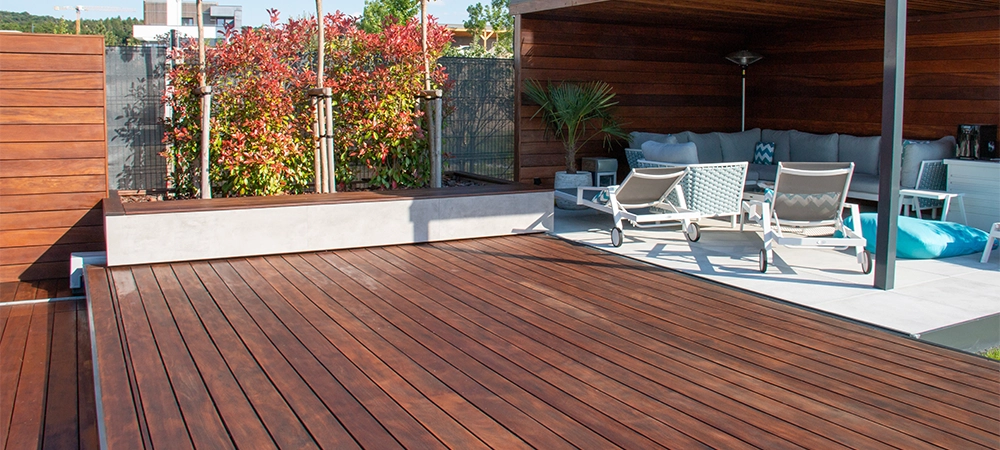
- Built-in seating or planters
- Integrated steps across wider areas
Each of these requires more precise work and additional framing underneath.
Your Yard Plays a Bigger Role Than You Think
Site conditions are one of the most overlooked cost factors.
A flat backyard with easy access allows for a straightforward build. A sloped or uneven yard requires more preparation. That may include grading, deeper footings, or additional structural support.
If an old deck needs to be removed first, demolition and disposal also add to the total cost.
Where Your Budget Actually Goes
Many homeowners focus on the surface boards, but the structure underneath takes a large portion of the budget.
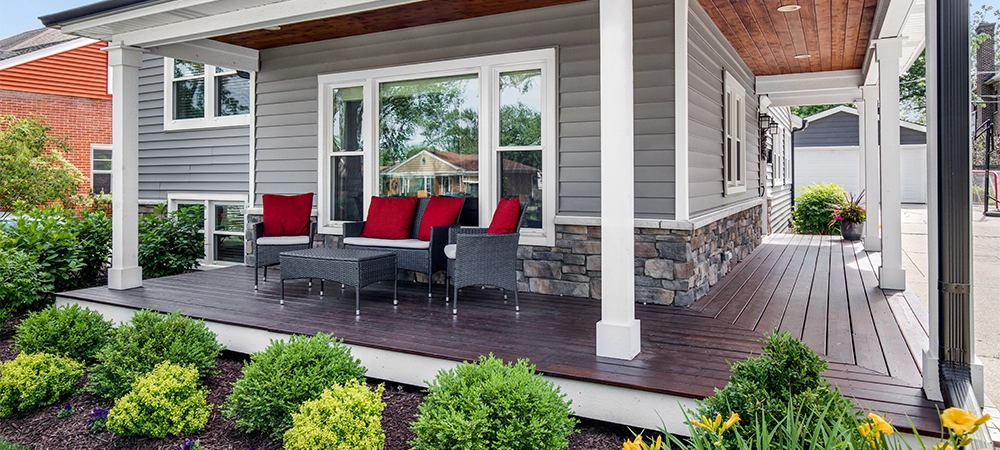
Proper deck construction goes beyond surface boards; it ensures the structure is stable, safe, and built to last in changing weather conditions.
A typical cost breakdown looks like this:
- Framing and foundation: about 30 percent
- Decking materials: about 30 percent
- Labour: 30 to 40 percent
- Extras and adjustments: the remaining portion
This is why cutting costs on structure is risky. What you do not see is what holds everything together.
The Cost of Railings, Stairs, and Finishing Details
These elements are often treated as small add-ons, but they can significantly increase your total.
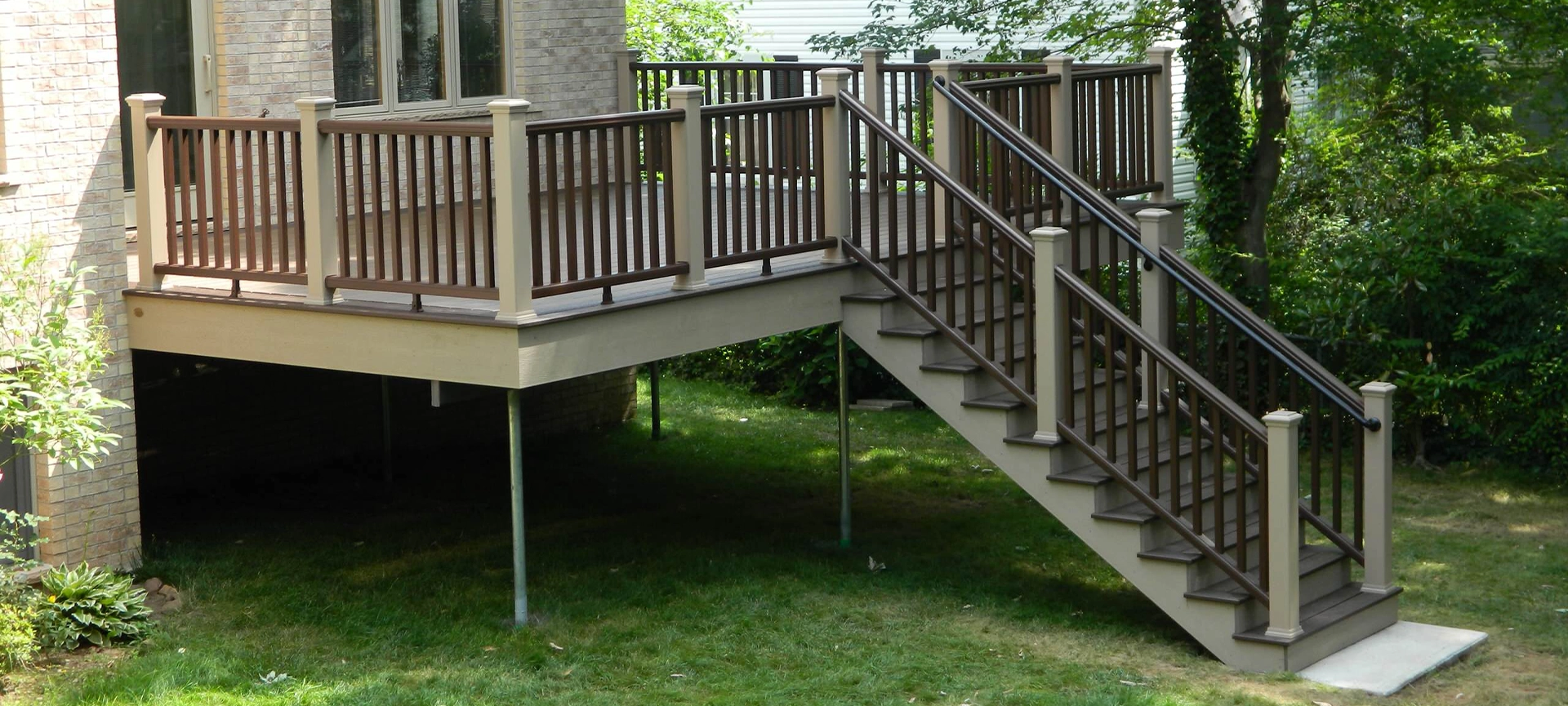
Railings alone vary widely depending on the material. Wood is the most affordable, while aluminum and glass systems sit at the higher end. Stairs also become more expensive as height and width increase.
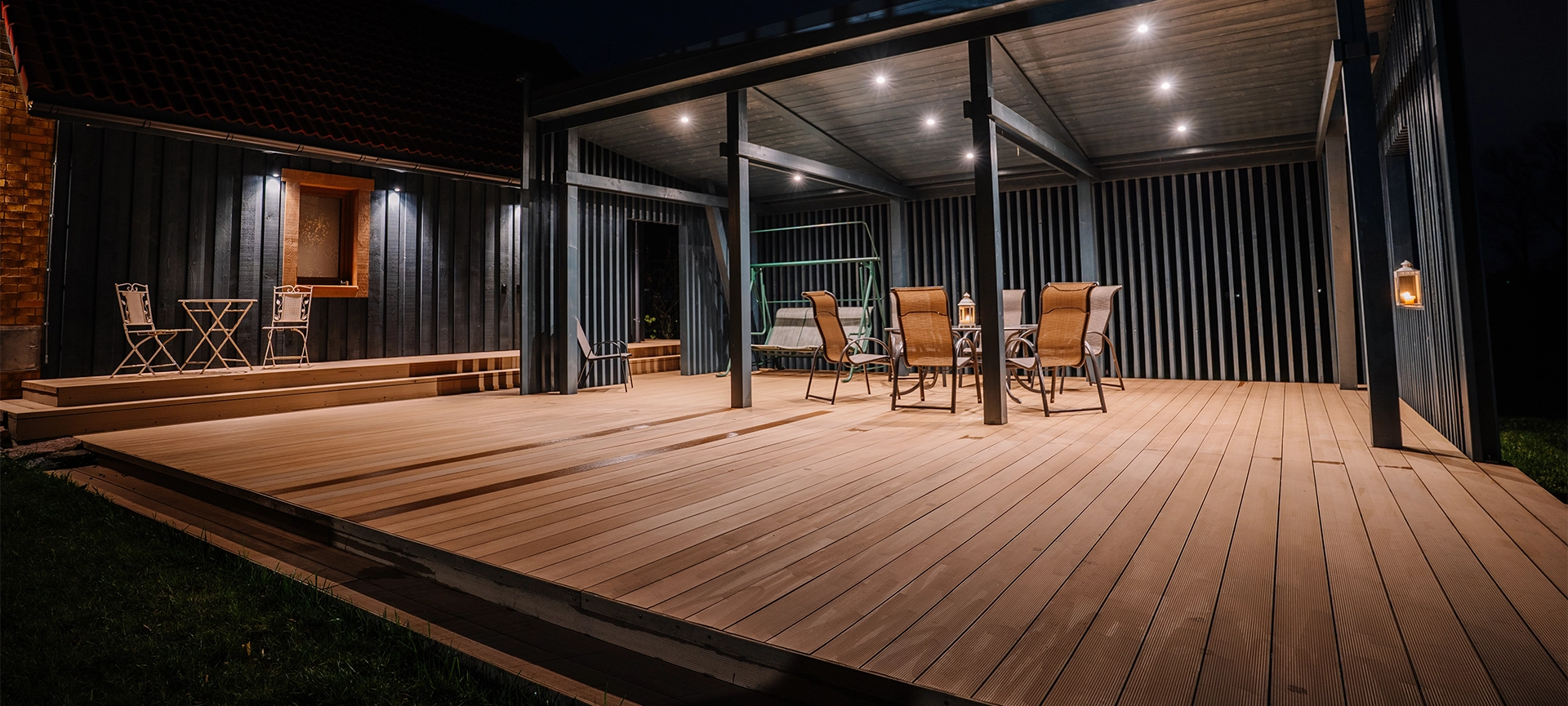
Finishing details such as lighting, privacy screens, or pergolas can transform how the deck is used, but they need to be planned early to avoid redesign costs later.
Hidden Costs That Catch Homeowners Off Guard
Even well-planned projects can run into unexpected expenses. Some of the most common include:
- Permit and inspection fees required by local regulations
- Drainage adjustments to prevent water from collecting around the structure
- Upgrading footings if soil conditions are poor
- Sealing or staining for wood decks after installation
These are not optional in many cases. They are part of building a deck that lasts.
Related Article: Deck Permit & Site Prep Costs in Toronto
Is It Better to Spend More Upfront?
This is where many homeowners hesitate.
Spending more on materials and proper construction can feel like a stretch at the beginning. However, lower-cost builds often lead to ongoing maintenance, repairs, or even early replacement.
Higher quality decks typically:
- Last longer
- Require less upkeep
- Maintain their appearance better
- Add more value to the property
It becomes a question of whether you want to pay now or continue paying over time.
Why Working With the Right Contractor Matters
Green Side Up Contracting focuses on building decks that are structurally sound and designed for long-term use. Our process includes proper groundwork, material guidance, and layout planning, which helps avoid the common issues seen in rushed builds.
This kind of approach reduces the risk of problems like shifting frames, poor drainage, or uneven surfaces.
When Should You Build Your Deck?
Timing can influence both cost and availability.
Spring and summer are the busiest seasons, which often means higher demand and tighter schedules. Fall tends to offer more flexibility, while winter is ideal for planning and securing early bookings.
Starting the process early gives you more control over both design and budget.
Related Article: Spring Deck Revival: The Essential Restoration Checklist After Winter
Recommended Approach Before You Start
Before committing to a build, it helps to clarify a few things:
- How you plan to use the deck
- The level of maintenance you are comfortable with
- Whether you want a simple platform or a feature-rich space
- How long you expect the deck to last
These decisions shape the entire project.
Planning a Deck That Works for You
A deck should feel like an extension of your home, not a project you regret after a few seasons. The key is to balance cost, durability, and how you actually plan to use the space.
When you understand where your budget goes, it becomes easier to make decisions that hold up over time. Reach out to us today to discuss your plans for a new deck installation.
Frequently Asked Questions
Can I build a deck in phases to spread out the cost?
Yes, but it needs proper planning from the start. The structure should be designed to support future additions, such as stairs, railings, or extensions. If not planned early, phased builds can lead to rework and higher overall costs.
How does deck height affect pricing?
Elevated decks cost more due to additional structural requirements. Higher decks need deeper footings, stronger framing, guardrails, and often stairs. Ground-level decks are simpler and more affordable to build.
Do I need to upgrade my yard drainage before building a deck?
If water tends to collect in the area, yes. Building over poor drainage can lead to long-term structural issues. In some cases, grading or drainage solutions should be completed before construction begins.
Can I attach a deck to any house?
Not always. Some homes, especially older ones or those with certain exterior finishes, may require a freestanding deck instead of attaching directly. This affects both design and cost.
What affects how long the project takes besides size?
Several factors influence timelines beyond deck size:
- Permit approval delays
- Weather conditions
- Material availability
- Site accessibility
Even a small deck can take longer if these factors come into play.
Is lighting worth including during the initial build?
Yes, installing lighting during construction is more cost-effective than adding it later. Wiring can be concealed within the structure, avoiding the need to remove boards or modify framing afterward.
How do I know if my design will meet local building codes?
A professional contractor will handle this as part of the planning process. Codes typically cover height, railing requirements, footing depth, and load capacity. Ignoring these can result in failed inspections or required changes.