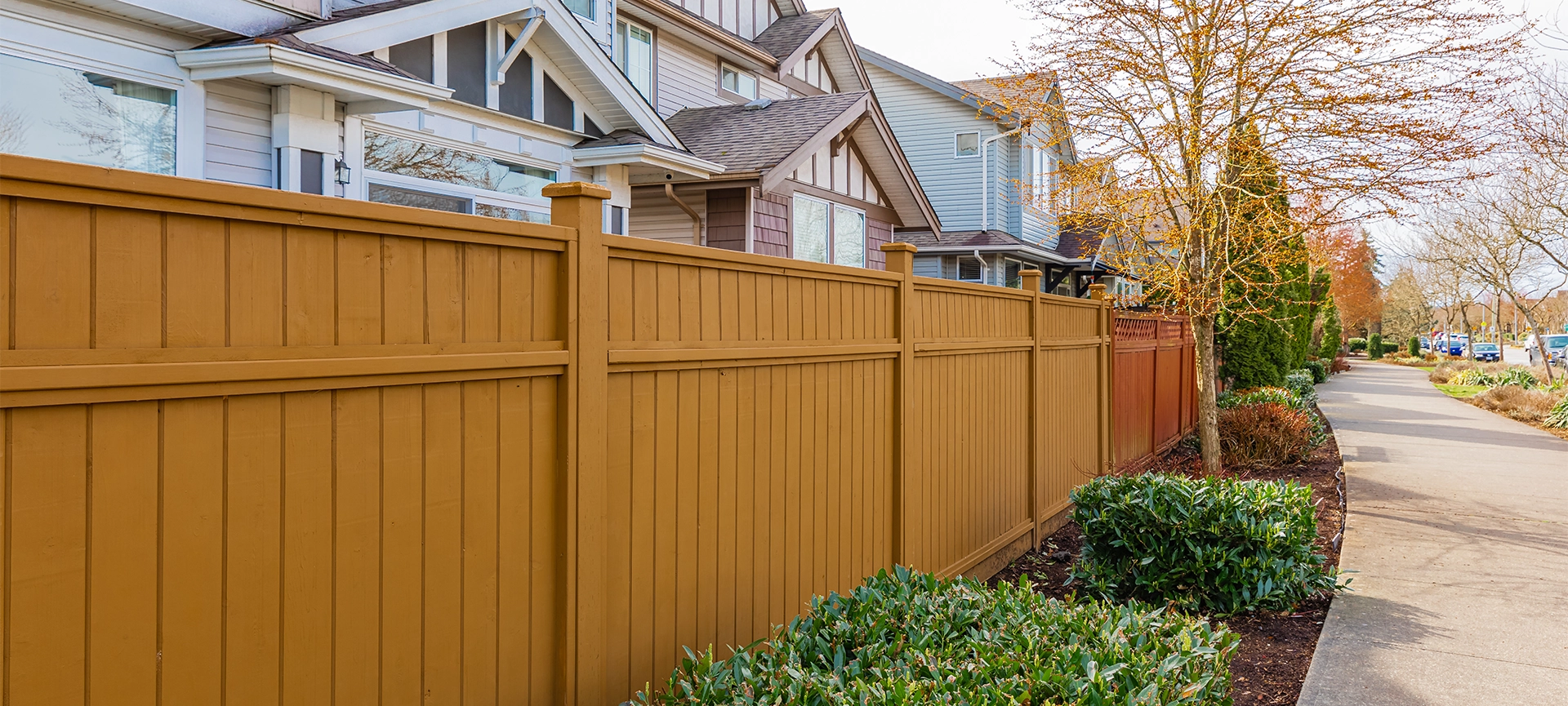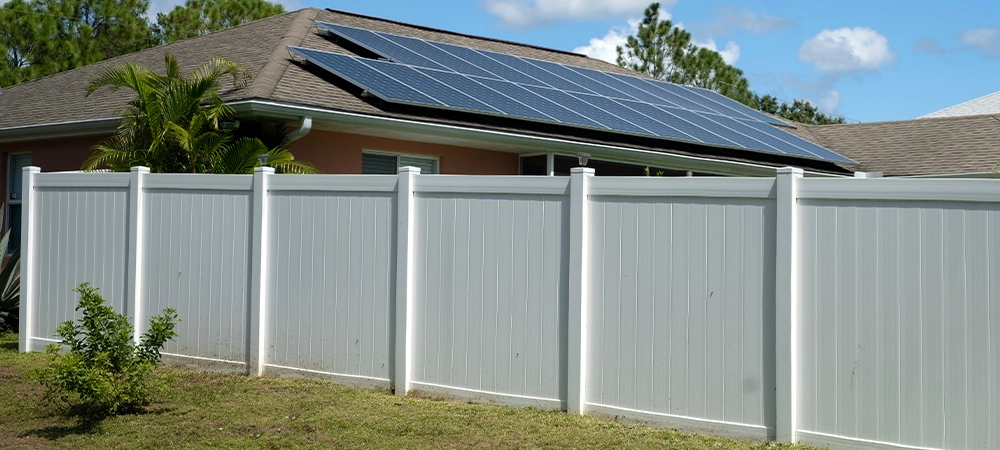
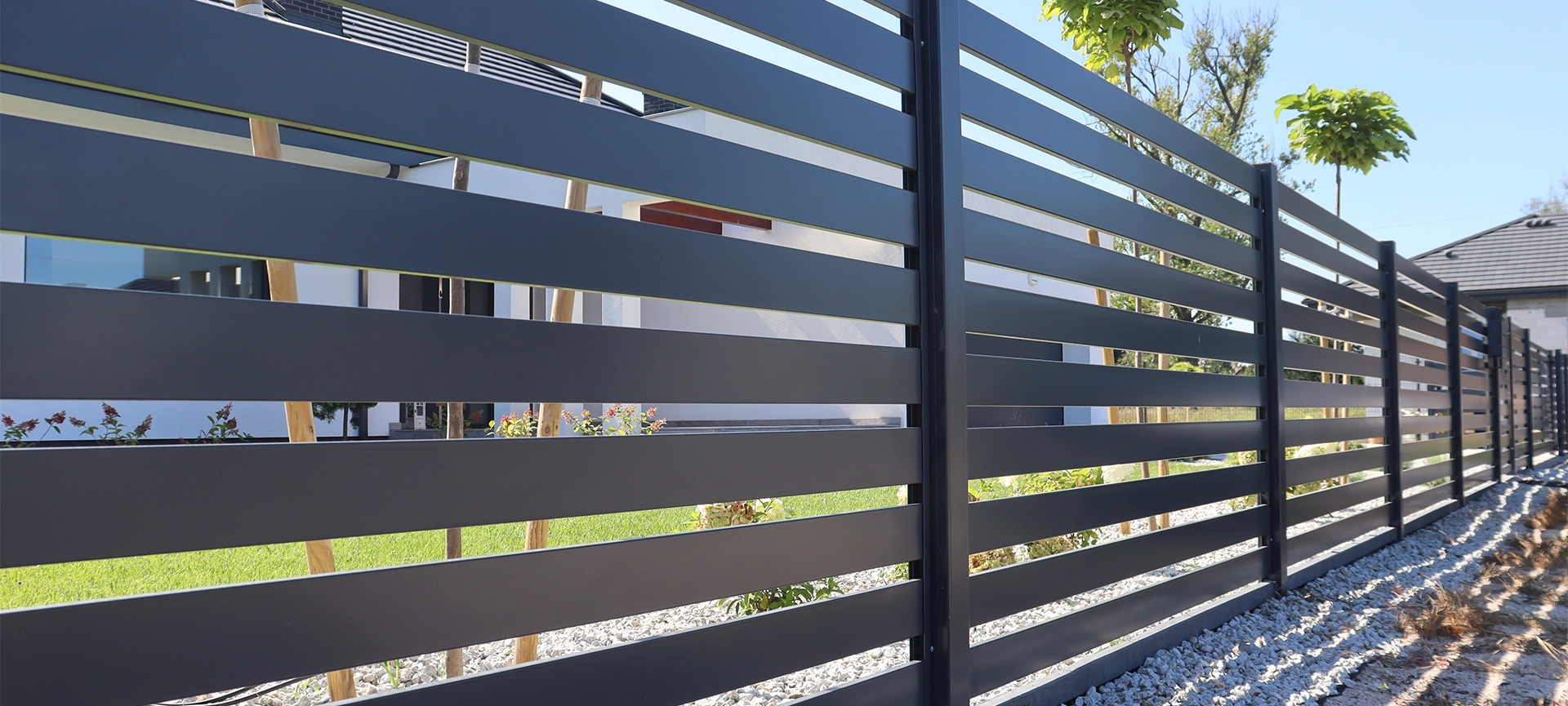

Planning a new fence before spring is smart. It avoids contractor backlogs and gives you time to secure approvals. However, fence bylaws in the Greater Toronto Area (GTA) vary by municipality. Height limits, material restrictions, and permit rules can differ from one city to another.
Understanding these regulations before fence installation protects you from fines, neighbour disputes, and costly rework.
Why Fence Bylaws Matter in the Greater Toronto Area
Fence bylaws regulate height, location, materials, and safety standards. Municipalities enforce these rules to maintain neighbourhood consistency, protect visibility at intersections, and prevent property line conflicts.
These regulations are tied to zoning bylaws and property standards. They are not suggestions. Non-compliant fences can result in formal complaints, inspection orders, fines, or removal requirements. In some cases, homeowners must modify or rebuild sections at their own expense.
In the Greater Toronto Area, common fence regulations address:
- Maximum fence height in front, side, and rear yards
- Restrictions near driveways and corner lots
- Pool enclosure requirements
- Shared fence responsibilities between neighbours
- Prohibited materials or hazardous designs
Bylaws also consider public safety. Fences placed too close to sidewalks or driveways can obstruct sightlines for drivers and pedestrians. Solid panels installed in traffic visibility zones may need to be reduced in height or redesigned with open spacing.
Before building, confirm the specific bylaw in your city, such as Toronto, Vaughan, Markham, Richmond Hill, or Mississauga. Even small differences in measurement standards can affect your design.
Related Article: Why to Get a Building Permit For Your Deck
Typical Fence Height Limits in GTA Municipalities
Most municipalities follow similar height frameworks, but exact measurements vary. Height is typically measured from grade level, which means changes in slope or retaining walls can affect compliance.
Understanding these limits before selecting materials or finalizing design prevents costly revisions.
Front Yard Fences
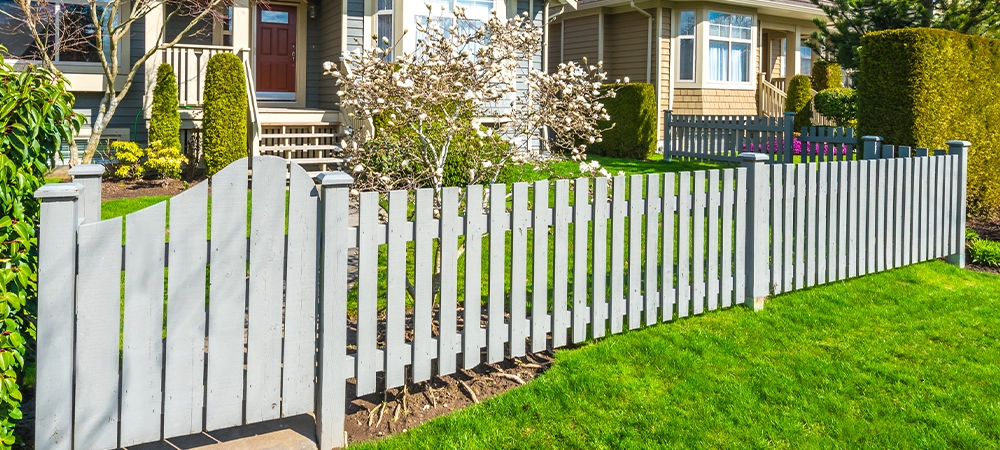
Front yard fences are usually limited to lower heights to preserve sightlines. Many GTA cities restrict front yard fences to approximately 1.0 to 1.2 metres.
This restriction helps:
- Maintain clear visibility for vehicles exiting driveways
- Protect pedestrian safety along sidewalks
- Preserve neighbourhood character and openness
Solid privacy panels are often discouraged in front yards. Decorative or partially open designs are more common in these areas.
Rear and Side Yard Fences
Rear and interior side yard fences are generally permitted up to 1.8 to 2.0 metres. These higher limits allow for privacy and security without affecting public visibility.
Homeowners typically choose full privacy panels in rear yards, especially in urban settings where properties are close together. Height allowances support noise reduction and visual screening.
Corner lots often face additional restrictions due to traffic sight triangles. Municipalities may require reduced height within a defined distance of the intersection to ensure clear driver visibility. This area is strictly regulated and often overlooked during planning.
Confirming lot classification and reviewing visibility triangle rules early prevents enforcement issues after installation.
Related Article: How Much Does an Aluminum Fence Cost
Do You Need a Fence Permit in the GTA?
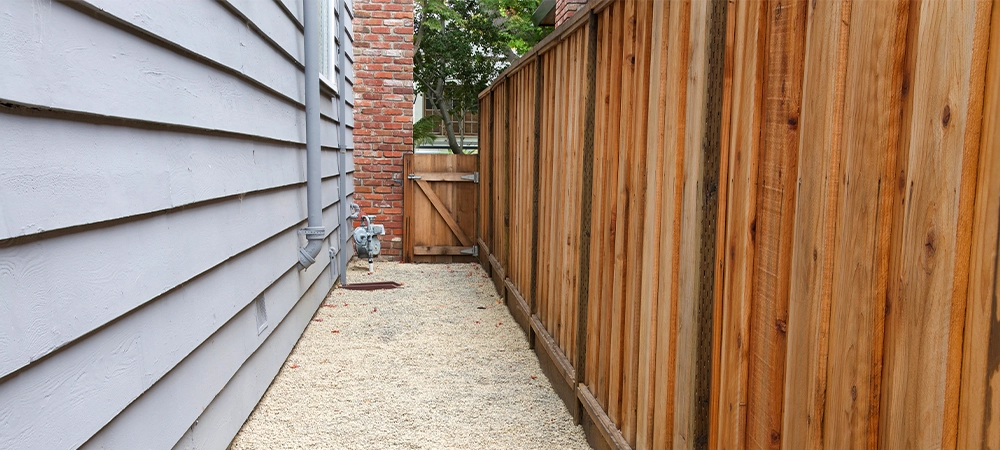
Permit requirements depend on the municipality, fence height, and overall project scope. While many standard residential fences do not require a building permit, exceptions are common and often misunderstood.
In many Greater Toronto Area municipalities:
- Standard backyard fences under a specified height typically do not require a permit
- Pool fences require strict compliance and inspections
- Retaining walls integrated with fencing may require additional approvals
- Fences near ravines, conservation areas, or regulated lands may require separate authority approval
Although a permit may not always be required, the fence must still comply with local bylaws. “No permit required” does not mean unrestricted construction.
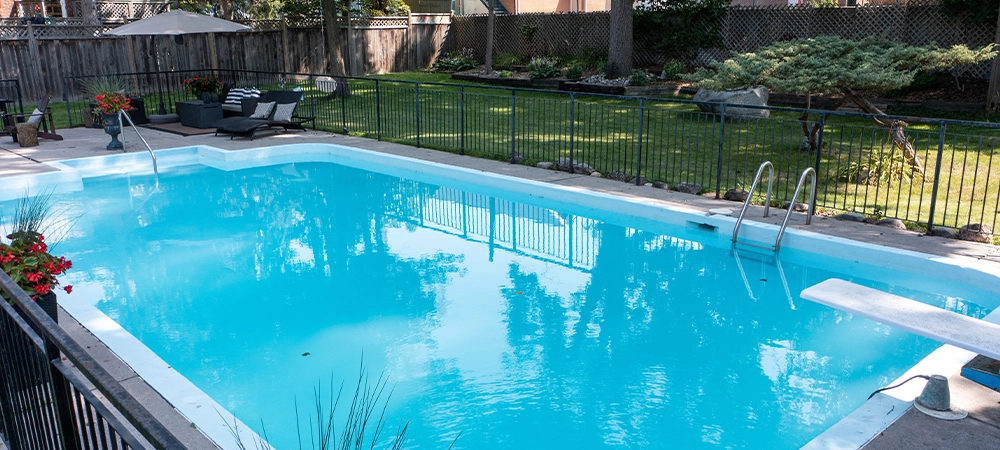
Pool fencing is heavily regulated under the Ontario Building Code and municipal pool enclosure bylaws. Inspections are often mandatory before the pool can be legally used. Gates must meet self-closing and self-latching standards, and spacing rules are strictly enforced.
Retaining walls create another layer of review. If your fence sits on top of a retaining wall, total combined height may exceed permitted limits. Structural considerations may trigger engineering requirements, especially where grade changes are significant.
If your fence connects to a deck, retaining wall, or landscaping feature, regulations may overlap with zoning bylaws. Deck guardrails, lot grading requirements, and setback rules can influence design approval.
Municipal requirements vary across Toronto, Vaughan, Markham, Richmond Hill, and Mississauga. Always verify height limits, setback distances, and special conditions with your local building department before starting construction.
Confirm requirements directly with your municipality before scheduling installation. Early verification prevents stop-work orders, fines, and costly revisions during peak spring construction season.
Related Article: When Is the Best Time for Permit Drawings in Ontario?
Pool Fencing Requirements Are Strict
If you install a swimming pool, fence compliance becomes mandatory. Ontario regulations require secure enclosures to prevent unauthorized access.
Pool fence rules typically include:
- Minimum height requirements
- Self-closing, self-latching gates
- No climbable surfaces nearby
- Specific spacing between pickets
Failure to comply can result in fines or mandatory modifications.
Related Article: Do You Need a Permit to Build a Pool?
Property Lines and Neighbour Agreements
Fence placement must respect legal property boundaries. Installing a fence on the wrong side of a boundary can trigger disputes.
Before installation:
- Verify property surveys
- Confirm boundary markers
- Discuss shared fence cost responsibilities with neighbours
Open communication prevents conflict and supports smoother project execution.
Approved Materials and Design Considerations
Most GTA municipalities permit wood, vinyl, aluminum, composite, and chain link fencing. However, barbed wire, electric fencing, and hazardous materials are typically prohibited in residential areas.
Green Side Up Contracting provides compliant options, including:
- Wood fencing
- Privacy fencing
- Vinyl fencing
- Aluminum fencing
- Chain link fencing
- Composite fencing
- Custom fencing solutions
These options align with residential standards across the Greater Toronto Area.
Spring Planning Reduces Delays
Fence contractors book quickly once temperatures rise. Reviewing bylaws in late winter allows:
- Time to confirm compliance
- Neighbour discussions before installation
- Material selection without rush decisions
- Flexible scheduling before peak demand
Early planning prevents project interruptions once spring construction begins.
Work With Professionals Who Understand Local Regulations
Bylaw research takes time. An experienced contractor familiar with GTA municipal requirements can guide design decisions that meet height and placement standards.
Green Side Up Contracting operates across the Greater Toronto Area and York Region, providing fencing solutions for residential and commercial properties.
We support clients through design, compliance considerations, and installation planning.
Planning a new fence this spring?
Book a consultation and review your design before installation begins. Early planning prevents delays, neighbour disputes, and costly revisions.
Frequently Asked Questions
Can my neighbour force me to pay for a shared fence?
Cost-sharing rules depend on local fence line bylaws. In many GTA municipalities, neighbours can request cost contribution for a basic fence that meets standard specifications. Upgrades beyond the standard design may require mutual agreement.
What happens if I build a fence that exceeds the height limit?
Municipal bylaw officers may issue an order to comply. This can require lowering or removing the fence at your expense. It is less costly to confirm limits before installation.
Are there different rules for corner lots?
Yes. Corner properties often fall within traffic visibility triangle regulations. Fence height may need to be reduced within a defined distance from the intersection to maintain clear sightlines.
Do decorative lattice toppers count toward the maximum height?
In most municipalities, total height includes lattice, panels, or decorative additions. Always measure from the grade to the highest point of the fence.
Can I install a fence directly on the property line?
You can typically build up to the property line, but it must remain entirely on your property unless a written agreement exists. A current property survey helps prevent encroachment disputes.
If you are unsure how local bylaws apply to your lot, confirm details with your municipality before construction begins.