
Adding an outdoor living space is one of the most practical upgrades a homeowner can make in Toronto. The real question is not whether you should improve your backyard, but how. Should you build a deck or install a patio?
Both options increase usable space, improve resale appeal, and create a dedicated area for entertaining. The better choice depends on grading, soil conditions, maintenance expectations, and how you plan to use the space year-round.
In the Greater Toronto Area, freeze-thaw cycles and drainage patterns must also be considered carefully before construction begins.
Below is a detailed comparison to help you make a confident decision.
Related Article: Cost of Deck Remodel Toronto 2025: What Homeowners Really Pay
Understanding the Structural Difference
Before comparing cost or design, it helps to understand how each structure is built. A deck is elevated on footings and framing, while a patio sits on a compacted base at ground level. This core difference affects durability, drainage, and long-term performance in Toronto’s climate.
What Defines a Deck?
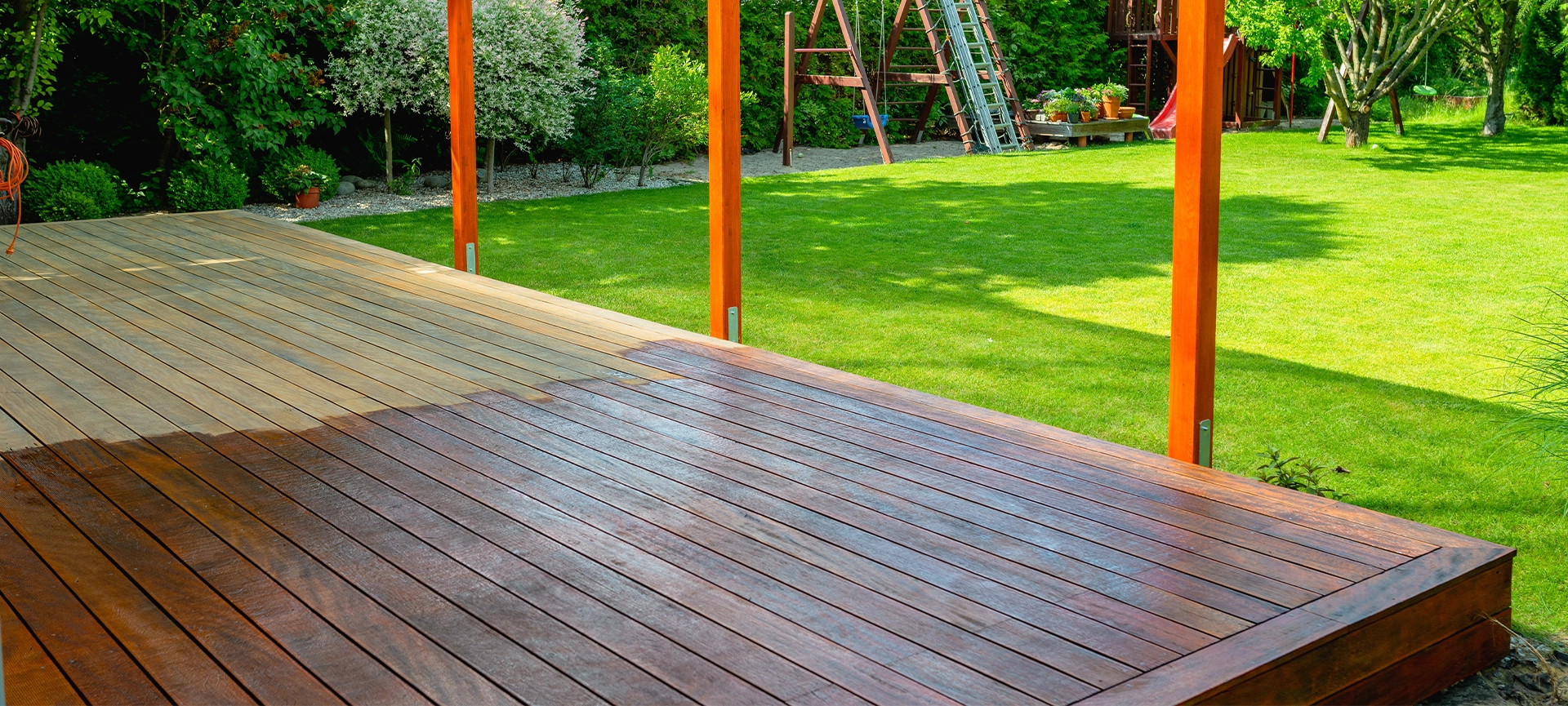
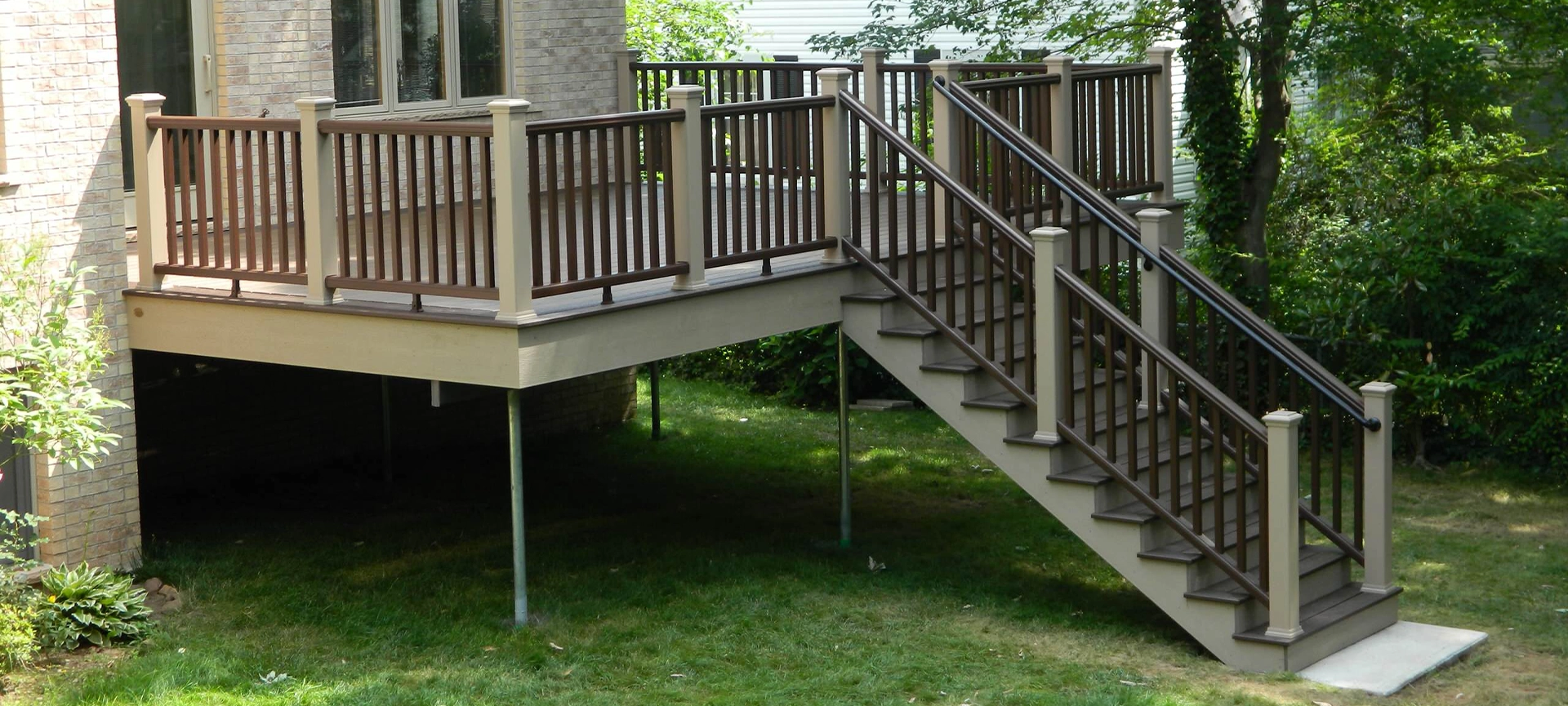
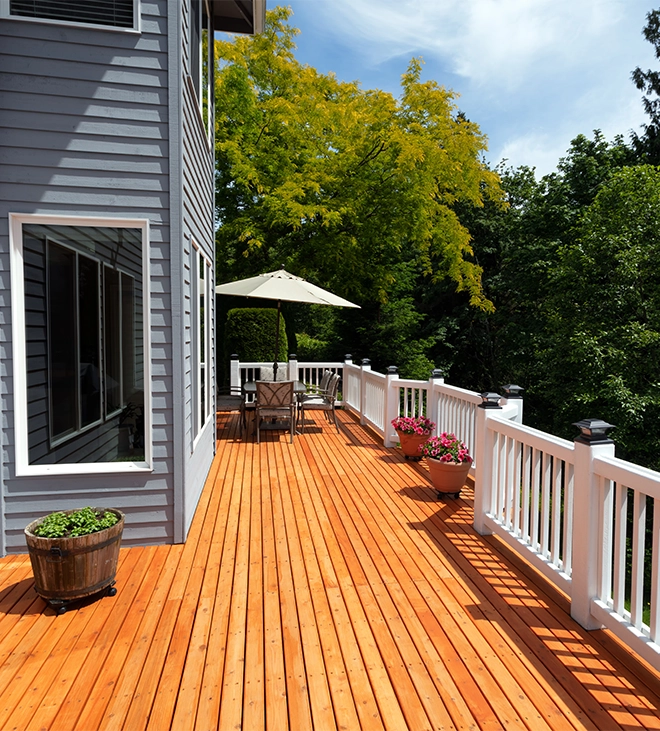
A deck is an elevated platform supported by concrete footings and structural framing. It is often attached directly to the home and may include stairs, railings, skirting, or built-in seating.
Because decks are raised, they are ideal for homes where:
- The back door sits above grade
- The yard slopes downward
- Drainage makes ground-level installation difficult
The structure sits above the soil, which reduces direct contact with moisture. That matters in Ontario, where seasonal expansion and contraction affect ground stability.
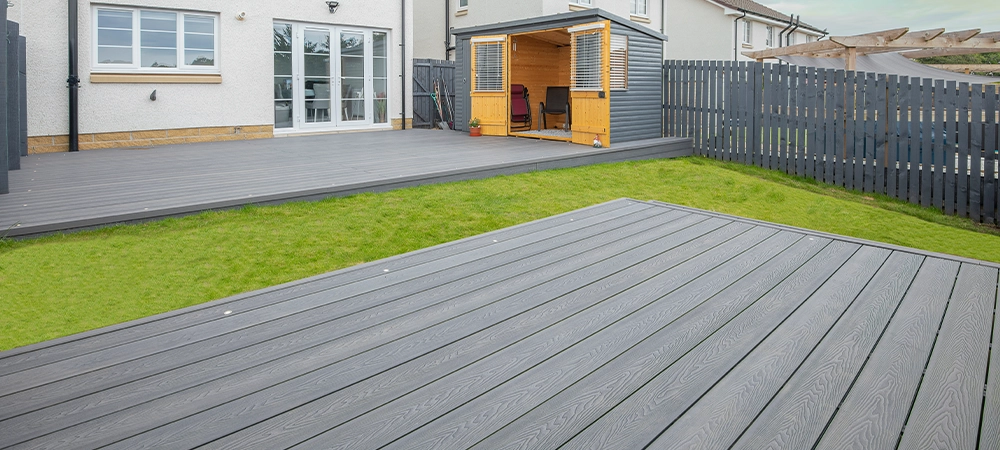
Deck materials typically include pressure-treated lumber, cedar, or composite boards. Composite reduces maintenance but increases initial cost.
What Defines a Patio?
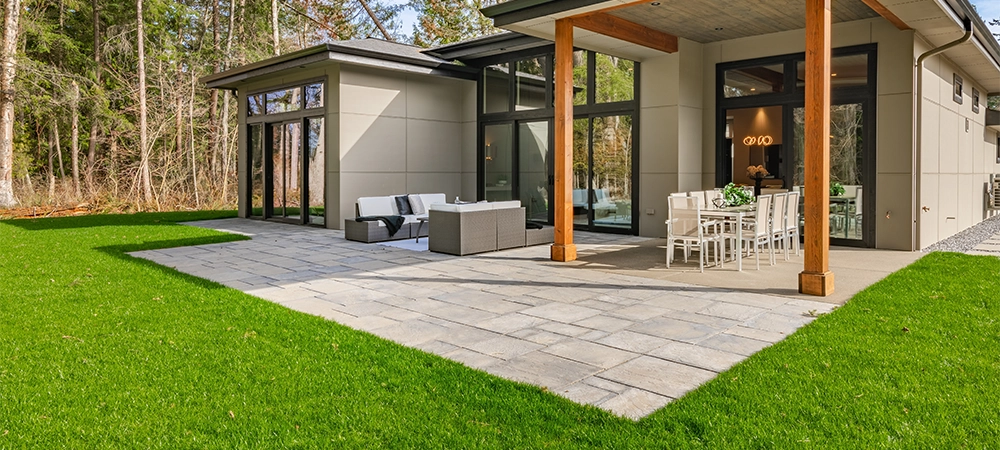
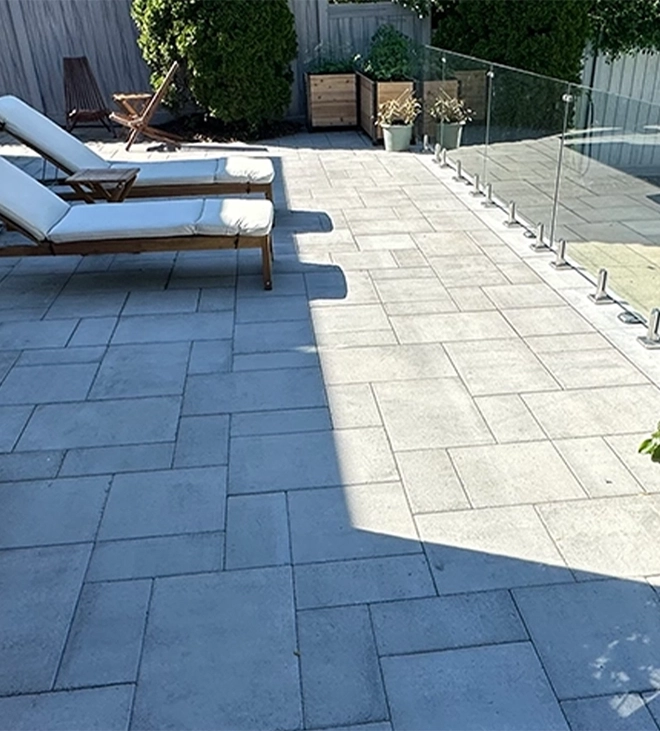
A patio is a ground-level hardscape surface built on a compacted aggregate base. Common materials include interlocking stone, concrete pavers, or natural stone.
Patios work best on relatively level lots where excavation and grading can be controlled effectively. Unlike decks, they do not require structural framing. Instead, stability depends entirely on proper base preparation.
In Toronto’s clay-heavy soil, base depth and compaction quality are critical. Poor preparation leads to settling or shifting over time.
Cost Breakdown: What Influences Pricing?
There is no universal answer to which option is cheaper. The final cost depends on design, site access, soil condition, and material selection.
Deck Cost Considerations
- Concrete footings and framing lumber
- Railings and stair systems
- Permit requirements
- Height above grade
- Choice between wood and composite
Elevated decks require additional structural components. If your yard slopes sharply, however, a deck may reduce excavation costs compared to building retaining walls for a patio.
Related Article: Why We Choose Composite Decking Over PVC: Side-to-Side Comparison
Patio Cost Considerations
- Excavation depth
- Aggregate base thickness
- Material selection
- Edge restraints
- Drainage grading
Patios often have lower labour complexity but higher excavation demands. On flat lots, patios can be cost-efficient. On sloped properties, costs can rise quickly due to retaining structures.
A site assessment gives the most accurate comparison.
Related Article: Should You Repair or Replace Interlock?
Maintenance Over Time
Long-term upkeep should influence your decision.
Deck Maintenance
Wood decks require staining or sealing every few years to prevent moisture damage. Boards may crack, warp, or require replacement. Snow must be cleared carefully to avoid surface damage.
Composite decks reduce sealing needs but still require cleaning and occasional fastener adjustments.
Patio Maintenance
Patios require less structural maintenance. Occasional joint sand replenishment and surface washing maintain appearance. Properly installed interlock systems are built to handle freeze-thaw conditions without structural failure.
If low maintenance is a priority, patios often require less ongoing work.
Drainage and Ontario Climate Impact
Toronto’s freeze-thaw cycles create expansion in soil during winter and contraction in warmer months. Water management is the primary factor that determines longevity.
Decks sit above grade, allowing air circulation beneath the structure. This reduces frost heave risk.
Patios must be installed with precise grading to direct water away from the foundation. The aggregate base must be deep enough to resist shifting. When done correctly, patios can last decades without movement.
Improper drainage is the leading cause of patio failure in the GTA.
Permits and Building Code Considerations
Decks frequently require permits if:
- They are attached to the house
- They exceed height thresholds
- They include structural components like roofs
Patios generally do not require structural permits unless they affect drainage or lot coverage rules.
Each municipality within the Greater Toronto Area has specific regulations. Compliance prevents delays and costly corrections.
Design and Lifestyle Fit
Think beyond construction. How will you use the space?
Choose a deck if:
- You want direct access from a raised kitchen door
- You prefer elevated views
- You want defined railings for safety
Choose a patio if:
- You plan to integrate landscaping
- You want a fire pit or outdoor kitchen
- You prefer a ground-level entertaining space
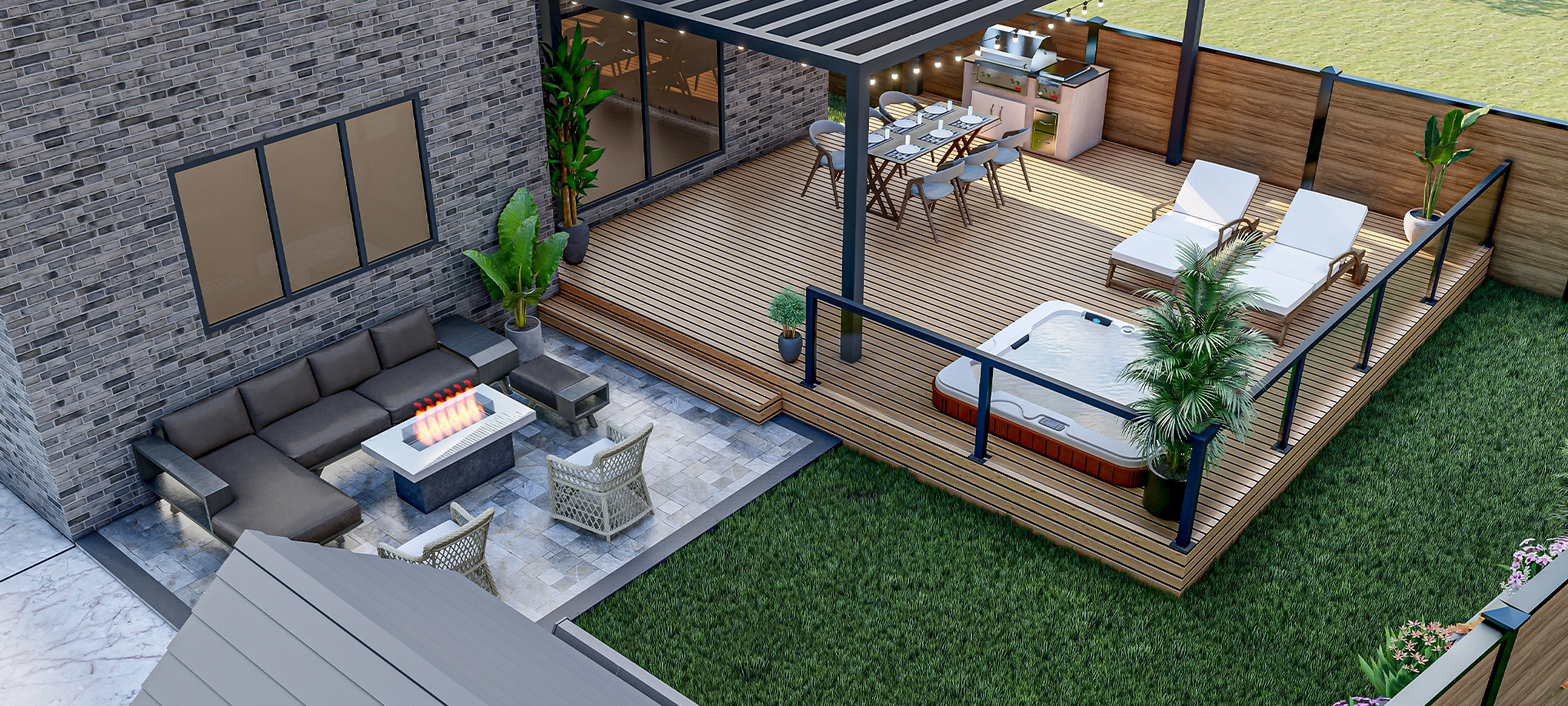
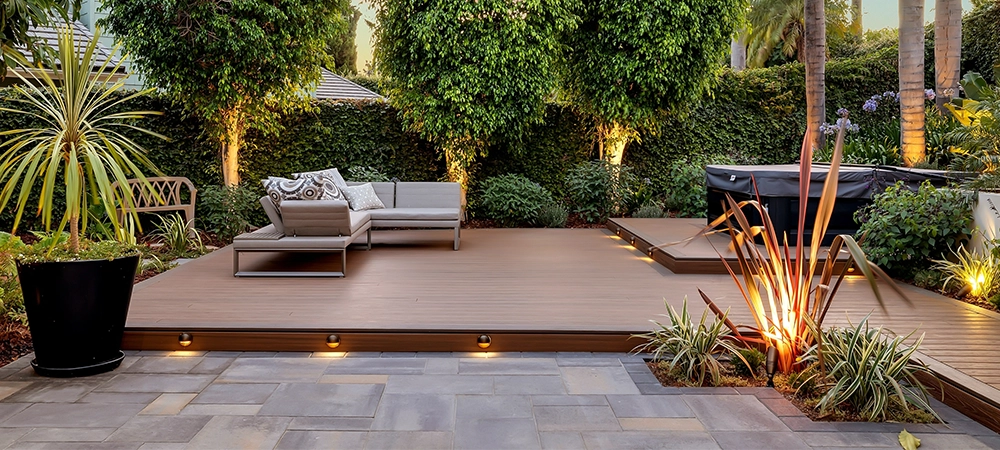
Some homeowners combine both. A raised deck connects to the home, while stairs lead to a patio lounge area below. This layered design maximizes usability.
Resale and Property Value
Outdoor living space consistently increases buyer interest in Toronto’s competitive housing market. A well-built deck or patio expands functional square footage and makes the backyard feel intentional rather than unfinished. Buyers often view structured outdoor areas as natural extensions of the home’s interior.
Professional design and installation also signal quality. When grading, drainage, and materials are handled properly, the space performs well long-term and reduces future repair concerns.
As a premier provider of custom decks and landscape services across the Greater Toronto Area and York Region, Green Side Up Contracting focuses on building outdoor spaces that enhance curb appeal while supporting lasting property value. Proper installation protects your investment for years to come.
Lifespan Comparison
- Pressure-treated wood deck: 10 to 15 years with maintenance
- Composite deck: 20 to 30 years
- Interlocking patio: 25 years or more
Longevity depends on installation standards, soil conditions, and drainage management.
How to Decide With Confidence
Before committing, evaluate:
- Yard slope and soil type
- Budget range including long-term maintenance
- Permit requirements
- How do you plan to use the space
- Future resale considerations
A professional consultation clarifies which option aligns with your property structure and lifestyle goals.
Related Article: 10 Must-Ask Questions Before You Build Your Deck
Build With a Plan, Not a Guess
The best outdoor upgrade is one designed around your specific lot conditions.
Green Side Up specializes in custom deck construction, patio installation, fencing, and full landscape design across the GTA and York Region
Book a consultation to review your yard and receive a tailored recommendation that protects your budget and increases long-term value.
Frequently Asked Questions
Does a deck feel warmer underfoot than a patio?
Yes. Wood and composite decking absorb less heat than stone in direct sunlight. Patios, especially darker pavers, can retain heat during summer afternoons.
Can I install lighting more easily on a deck or patio?
Decks allow integrated stair lighting, post caps, and under-rail illumination during framing. Patio lighting is typically added through landscape fixtures or in-ground systems.
Which option is better for outdoor kitchens?
Patios provide a more stable base for heavy appliances and built-in stone features. Decks require structural reinforcement if supporting large outdoor kitchens.
Do patios crack more than decks shift?
Concrete slabs can crack. Interlocking pavers rarely crack but may settle if base prep is poor. Deck boards may shift or loosen over time, depending on fastening systems.
Which option adds more usable square footage?
Both expand living space. Decks extend elevated access directly from interior rooms. Patios create broader, ground-level entertainment zones.