
Resurfacing a deck seems simple. You replace worn boards, refresh the structure, and give your outdoor space a clean, strong finish. Many homeowners assume this work requires no approval because the frame stays in place.
Toronto’s rules, however, treat deck changes differently depending on what is being altered. Knowing when a permit applies helps you plan properly, avoid delays, and stay compliant with local standards.
Why Toronto Reviews Deck Resurfacing
Toronto uses deck permits to confirm that structures remain safe, stable, and aligned with zoning requirements. Even if you keep your existing frame, resurfacing affects the deck’s long-term durability and overall performance. Boards, fasteners, joists, and guardrails play a major role in safety, which is why the city evaluates specific components closely.
A permit does not automatically apply to every resurfacing project. The rules depend on how much of the deck you are altering and whether the changes affect structural or safety elements.
When You Do Not Need a Permit
Many resurfacing projects fall within the exemption rules. In Toronto, a permit is usually not required if:
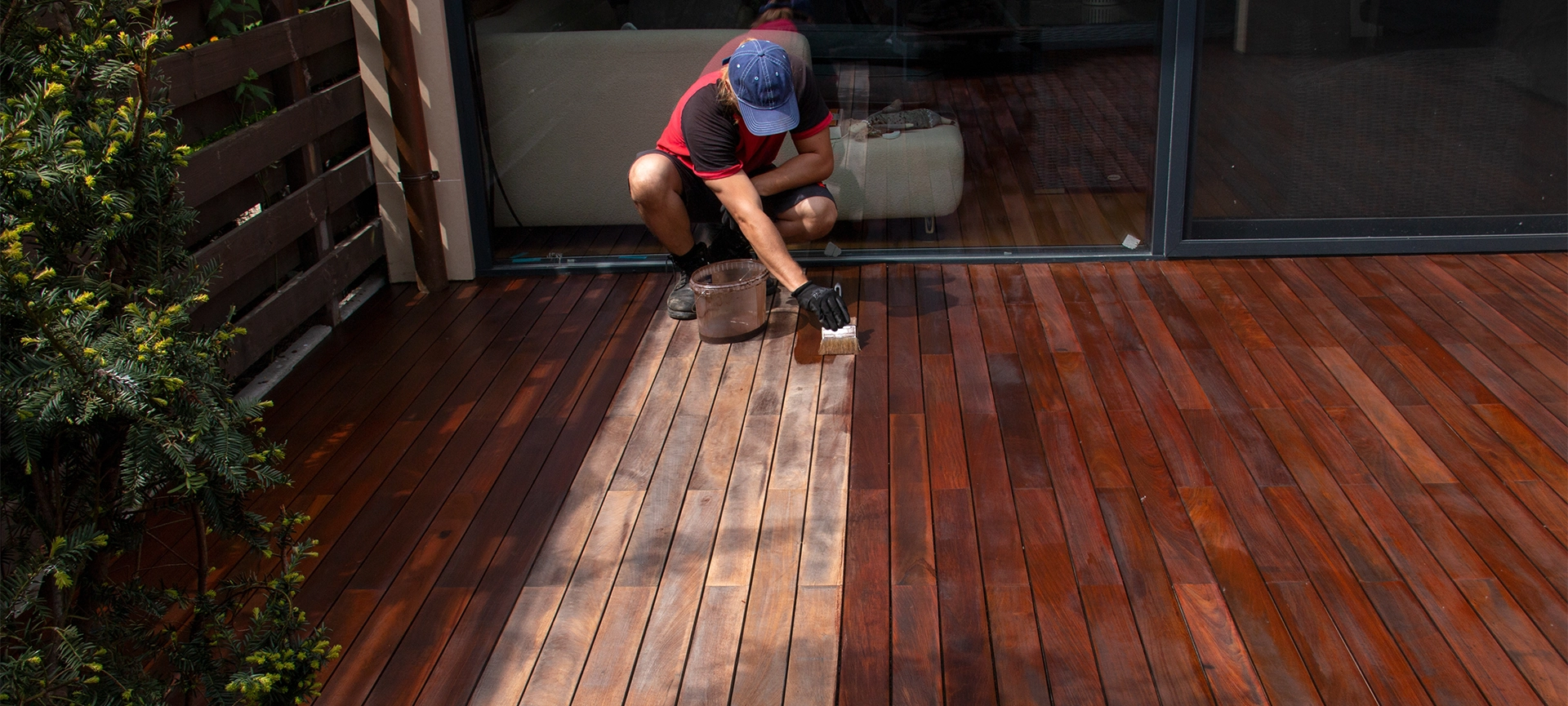
- You are replacing deck boards only.
- You are keeping the same footprint and height.
- You are not altering the frame, joists, beams, or posts.
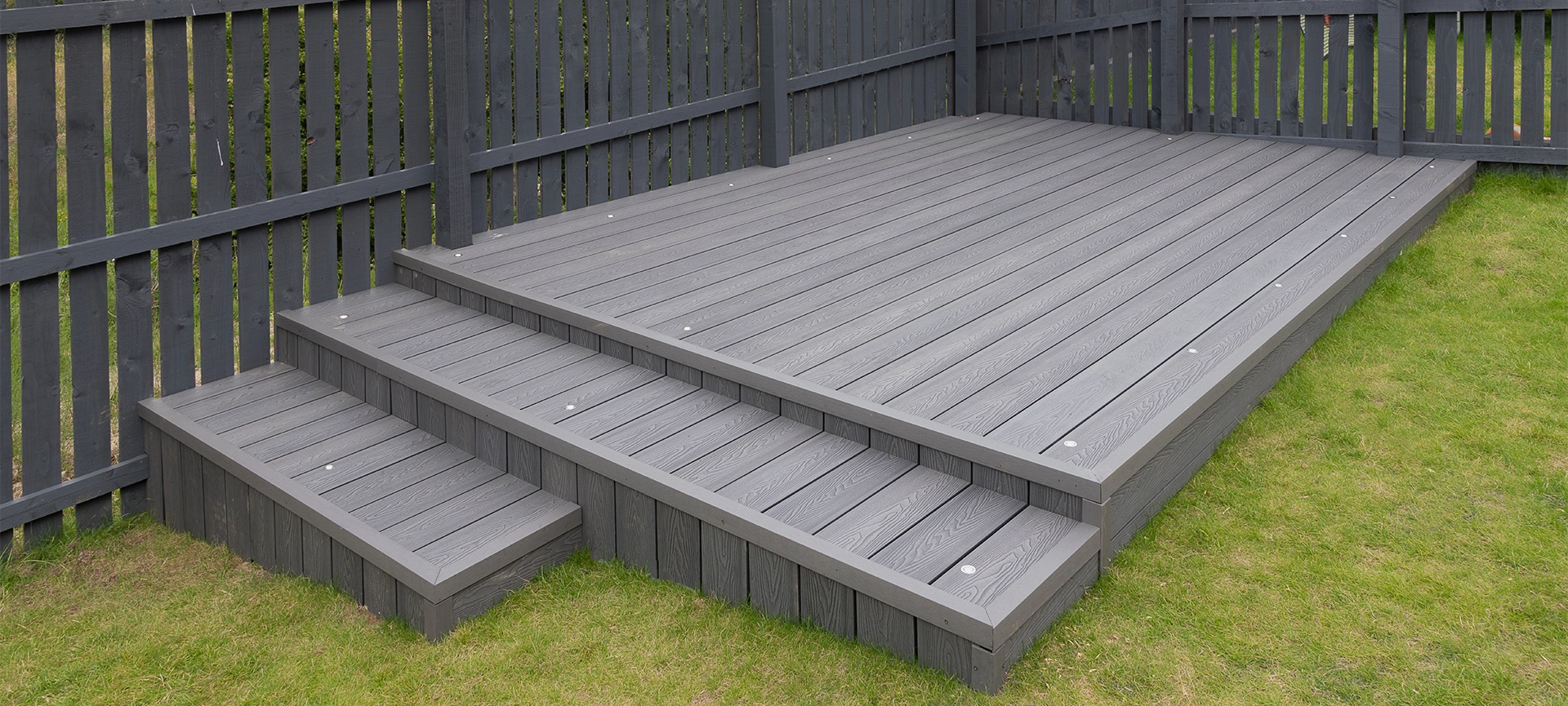
- You are not rebuilding stairs or guardrails.
Surface-level improvements remain simple, which allows homeowners to refresh the deck with minimal paperwork. This type of project focuses on appearance and surface condition rather than structural change.
Related Article: How to Install Deck Railing for Safety and Style: Complete DIY Guide
When a Permit Becomes Mandatory
A permit is required when resurfacing shifts from surface-level improvements to work that affects structure, size, or safety features. Toronto reviews these elements closely to confirm that the deck remains safe and compliant with zoning and building code expectations.
Below are the situations that automatically trigger the need for a permit.
Structural Changes
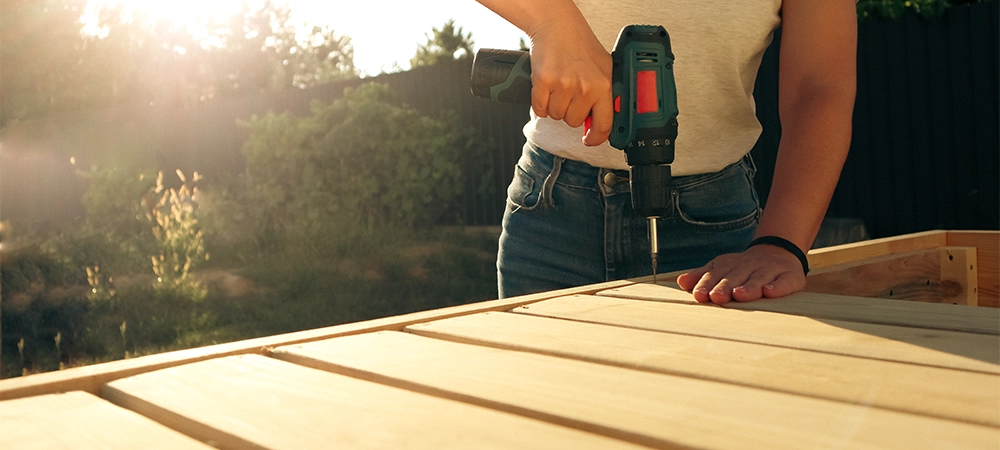
Any modification to joists, beams, posts, or the ledger board moves the project into structural territory. These components support the deck’s full load. Once you remove or replace them, the city must verify that the updated frame meets current standards for spacing, support, and fastening.
Structural upgrades also address long-term stability, which is why Toronto requires a formal review before work begins.
Height Adjustments
Raising the deck height changes how the structure interacts with surrounding grade levels and neighbouring properties. Even a small height shift can affect zoning classification, guardrail requirements, and sightlines. Toronto requires a permit for any height increase or full-frame rebuild so that the revised elevation aligns with safety rules and property setbacks.
Expanding the Deck
Any change that increases the deck’s footprint requires approval. Expansion affects lot coverage, distance from property lines, and allowable dimensions within the zoning bylaw. This applies whether you extend the deck by a few inches or several feet. A permit confirms that the larger design fits the permitted space and does not interfere with drainage patterns or neighbouring properties.
Related Article: Cost of Deck Remodel Toronto 2025: What Homeowners Really Pay
Guardrails and Stairs
Railings and stairs are treated as safety-critical elements. Replacing them alters how people use the deck and how fall protection is managed. Toronto reviews all railing and stair updates to confirm the correct height, spacing, and structural support.
Even if the deck surface is unchanged, these components affect safety ratings, which is why a permit is often required.
Switching to Heavier Materials
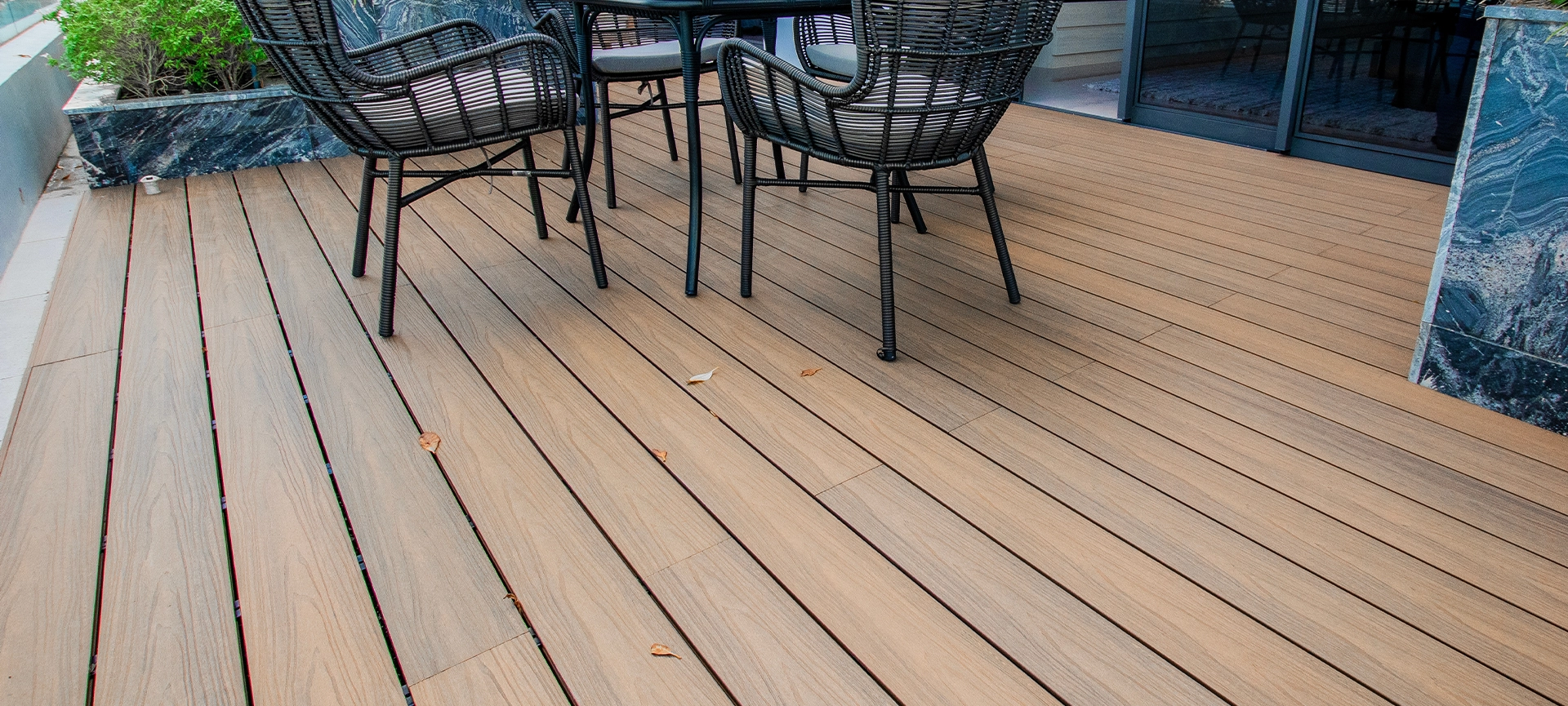
Many homeowners choose composite boards for resurfacing because they resist rot and require less maintenance. Composite and other engineered materials often weigh more than standard wood boards. Older frames may not be designed for these loads.
Toronto may require a permit to confirm that the existing structure can support the additional weight. If upgrades to joists or beams are needed to meet load expectations, a permit becomes mandatory.
Related Article: PVC vs. Composite Decking: What’s the Difference?
Why Professional Assessment Helps
Decks built more than 10 or 15 years ago often follow standards that differ from today’s code. Some older frames cannot support heavier boards or may have fastening methods that no longer align with current safety requirements. A professional inspection helps determine whether resurfacing alone is safe or if partial frame upgrades are required.
Green Side Up Contracting evaluates each deck carefully so that the resurfacing plan meets safety expectations and remains aligned with local regulations. This reduces risk and provides clear guidance on whether a permit is necessary.
What to Prepare Before Applying for a Permit
A deck permit application in Toronto requires a few key documents:
- Drawings that show existing conditions
- A plan outlining proposed changes
- Structural details of joists or beams are being replaced
- Measurements confirming height and footprint
- Guardrail and stair details, if included
Most resurfacing-only projects skip the permit step. However, when a permit is needed, having accurate drawings speeds up approval. Many homeowners rely on contractors to prepare or assist with these documents to avoid errors.
How Long Does Approval Take?
Permit timelines vary. Simple revisions that include guardrail updates may receive quicker review. Larger changes that involve structural plans can take longer. Planning ahead helps you avoid scheduling issues and ensures that resurfacing can proceed smoothly once approval arrives.
Early preparation also reduces the chance of work stoppages. Toronto enforces building regulations firmly. Starting without a required permit can lead to fines or delays, which is why most homeowners schedule resurfacing only after confirming permit needs.
Why Resurfacing Is Worth the Effort
Deck resurfacing refreshes the outdoor space, improves safety, and extends the life of your structure. New boards offer stronger performance, better grip, and improved aesthetic appeal. Many homeowners choose resurfacing as a more cost-effective option compared to a full rebuild, especially when the frame remains in good condition.
A well-resurfaced deck also improves property appeal. Outdoor living spaces remain a key feature for Toronto homeowners because they increase the value of the backyard and make the home more comfortable for everyday use.
Your Next Steps for a Safe, Compliant Deck
Resurfacing becomes simpler once you understand the permit rules. Most Toronto homeowners do not need a permit if they replace boards only. Once structural components, guardrails, stairs, height, or weight loads change, a permit ensures the work aligns with current building standards.
Green Side Up Contracting helps you clarify what your project requires and provides expert resurfacing and full deck construction support across the city.
Ready to improve your deck with a clean, updated surface? Contact us for a free assessment and expert guidance on your next deck resurfacing project.
Frequently Asked Questions
Does replacing railings trigger a permit?
Yes. Guardrails affect safety. When you replace them, Toronto reviews height, spacing, and support details, which makes a permit necessary in most cases.
Can I resurface my deck with composite boards without a permit?
You may be able to, but not always. Composite boards are heavier than wood. If the frame is old or you plan to upgrade joists, a permit may be required to confirm structural strength.
What happens if I resurface my deck without the required permit?
You may face fines or need to pause the project until approval is secured. Work completed without a permit can also create issues during future home inspections or sales.
Does a permit take long to get approved?
Timelines vary by project complexity. Simple safety updates may move faster, while structural changes take longer. Early planning helps avoid delays.
Can resurfacing reveal hidden structural problems?
Yes. Removing old boards may expose joist damage or rot. If repairs are required, the project may shift from resurfacing to structural work, which can trigger a permit requirement.
Will resurfacing increase the lifespan of my deck?
Yes. Fresh boards and updated fasteners improve durability, especially if the frame remains solid. Proper resurfacing also makes the deck safer and more comfortable to use.