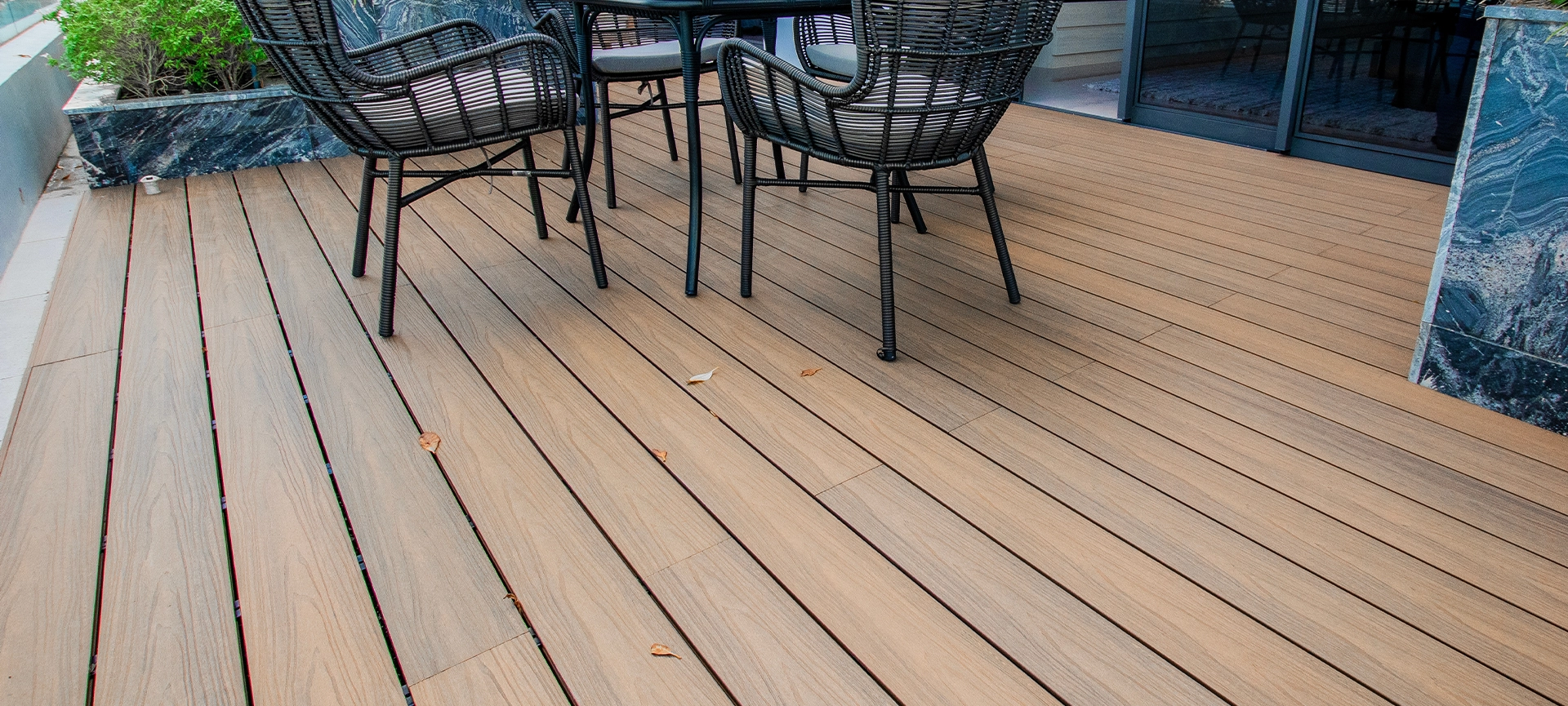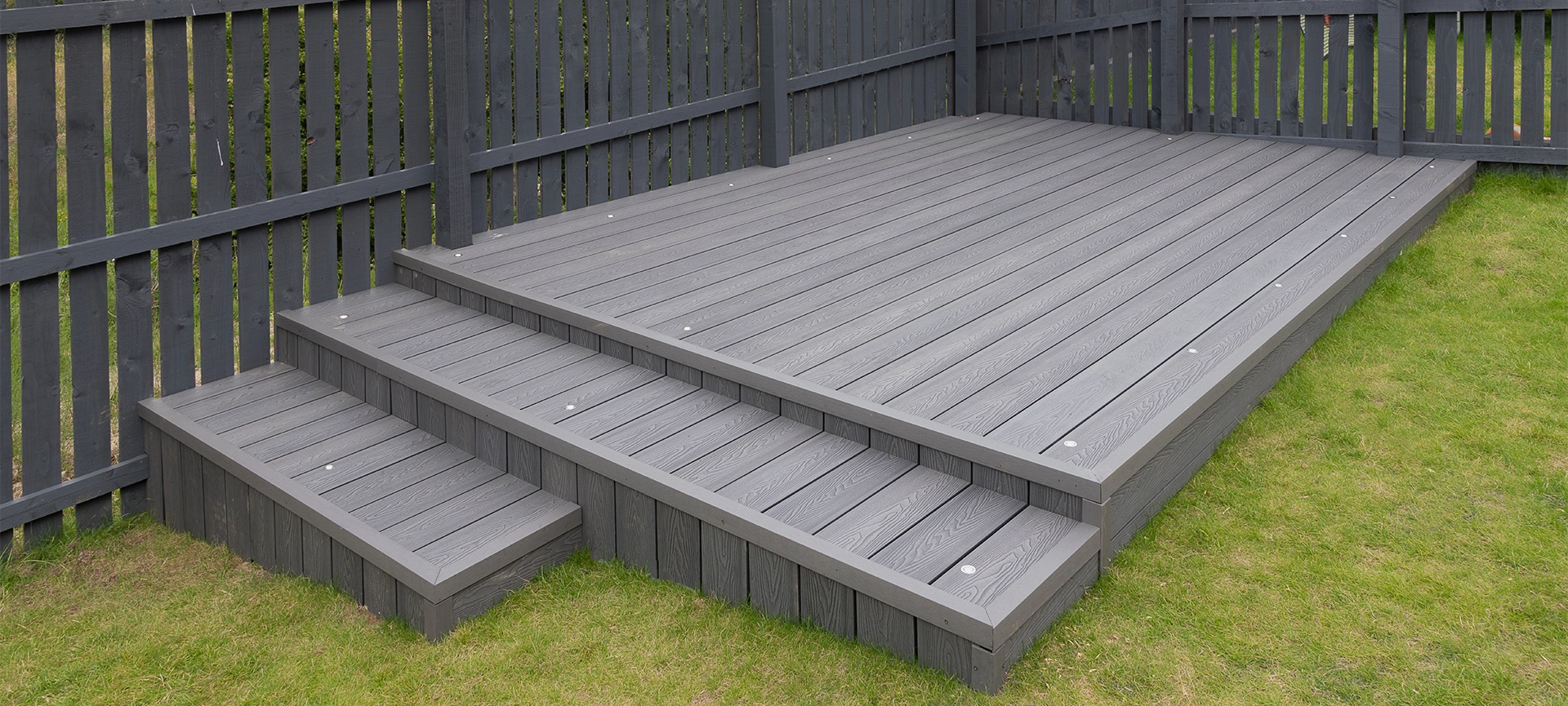
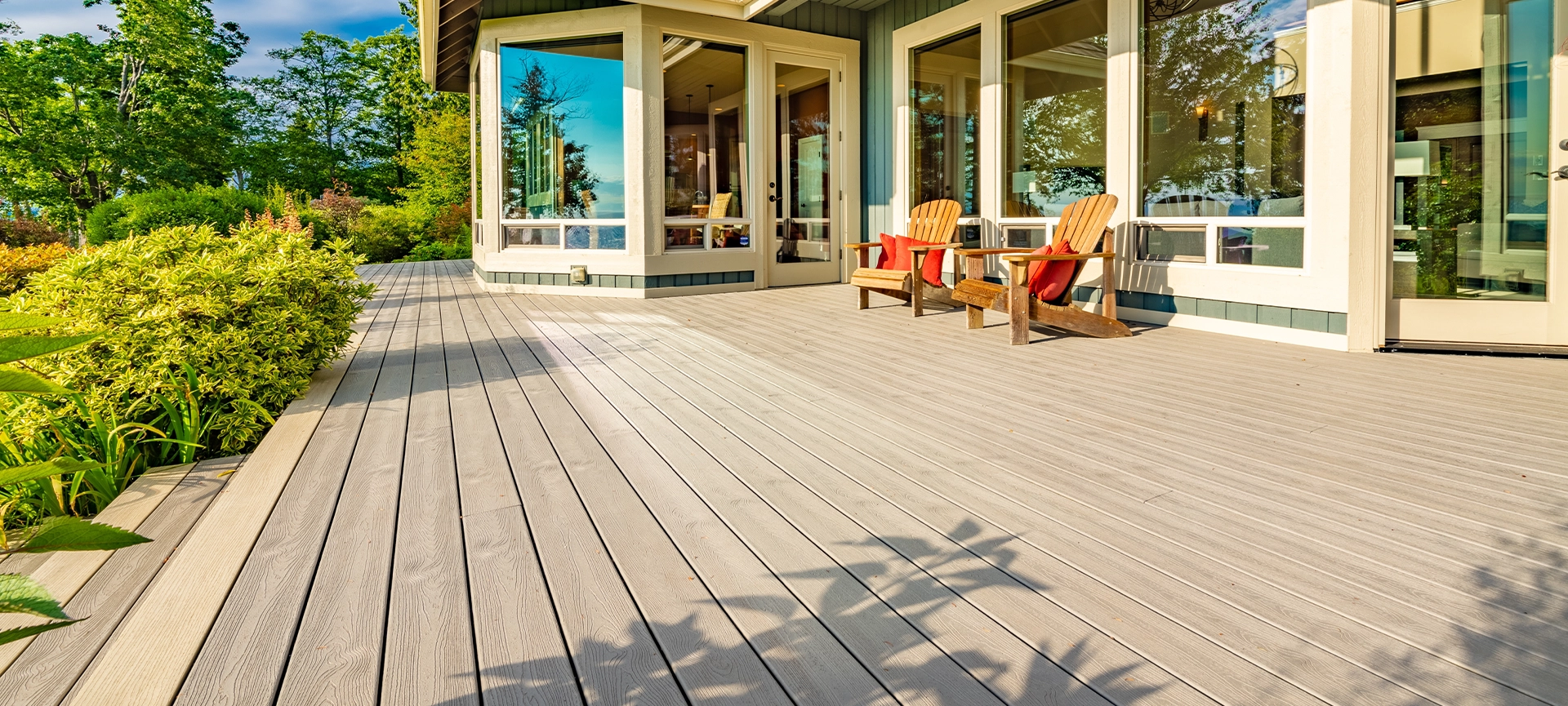
Choosing the right wood for your deck shapes how it looks, feels, and performs through Toronto’s weather. Each species behaves differently in the sun, snow, and moisture. Some offer long lifespans with minimal care, while others stand out for texture and colour.
This guide breaks down the 10 best wood decking options so you can pick a material that fits your home, your upkeep preferences, and your long-term plans.
Related Article: How Long Does a Deck Last? Lifespan by Material
1. Pressure-Treated Pine
Pressure-treated pine is one of the most accessible options for families who want a solid deck without a high upfront cost. The wood is injected with preservatives that slow decay and protect against insects. It accepts stain well, which lets you update the colour whenever you refresh your yard.
The trade-off is upkeep. Pressure-treated pine needs sealing every one to three years because moisture exposure increases the chance of warping over time. With consistent care, it delivers dependable performance and remains a budget-friendly choice for large decks.

2. Cedar
Cedar stays popular because it resists moisture naturally. Its warm tone, soft grain, and ability to stay cooler under direct sun work well for high-traffic outdoor spaces. Cedar contains natural oils that reduce rot and insect activity, so it tends to last longer than basic pine with less chemical treatment.
The only requirement is occasional staining. This slows colour fading and preserves the wood’s stability during seasonal temperature swings. For homeowners who want a lighter maintenance routine without moving to premium hardwood, cedar sits comfortably in the middle.
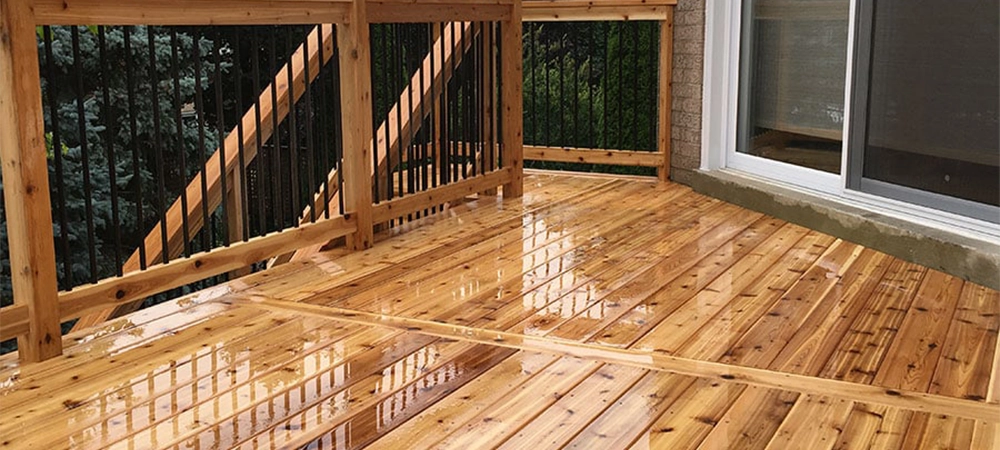
3. Western Red Cedar
Western red cedar is a step above standard cedar in both look and performance. Its even grain, rich scent, and deeper natural colour give a deck a strong visual appeal. The wood’s low density helps it stay stable during humidity shifts, which is helpful in areas with freeze–thaw cycles.
It does cost more than regular cedar, but the durability advantage often offsets the added expense. Western red cedar also takes stain smoothly, which means you can customize the deck’s finish to match your exterior.
Related Article: TimberTech vs Trex: Which Composite Decking Is Right for You?
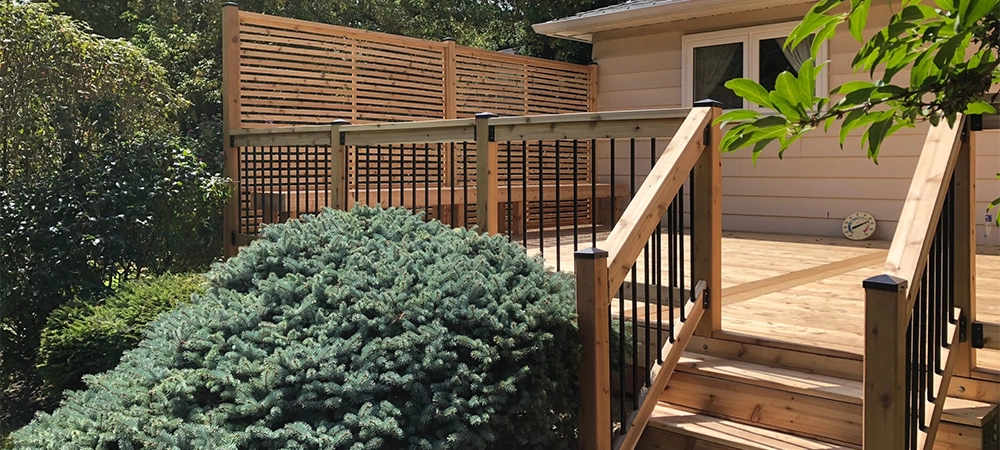
4. Redwood
Redwood offers a premium appearance with long-term strength. Its natural tannins give it strong protection against moisture and pests. The wood starts with a vibrant red tone that slowly softens into a silver finish if left untreated. Many homeowners enjoy this natural weathering because it suits modern and rustic homes equally well.
Redwood remains lightweight and easy to work with during construction. Occasional sealing keeps the grain protected, but even without heavy maintenance, redwood retains its shape better than many softwood species.
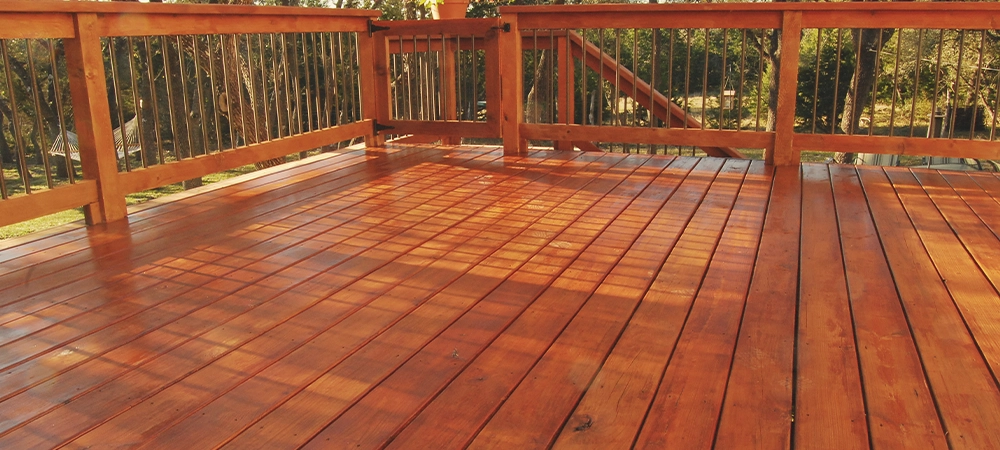
5. Ipe (Brazilian Walnut)
Ipe is one of the strongest hardwoods available for decking. Its density makes it resistant to scratches, impacts, and extreme weather. The deep brown colour adds a premium look with minimal upkeep. Many homeowners choose ipe for its reputation of lasting decades with proper care.
Because it is dense, installation takes more time and often requires specialized tools. It also carries a higher upfront price. For those who want a long-term deck solution with a luxurious finish, ipe consistently ranks at the top.
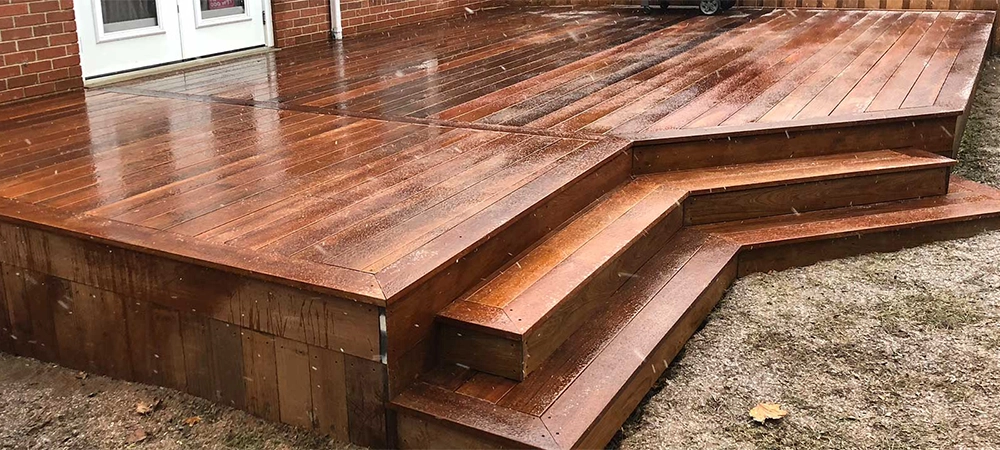
6. Tigerwood
Tigerwood is known for bold grain patterns that resemble natural stripes. Each board varies slightly, which creates a deck with strong visual character. The wood naturally resists decay and surface wear.
Its hardness allows it to stay smooth even under heavy use. A yearly oil treatment preserves the dramatic grain. Without treatment, Tigerwood still performs well, but the rich contrast fades faster in direct sunlight.
7. Cumaru (Brazilian Teak)
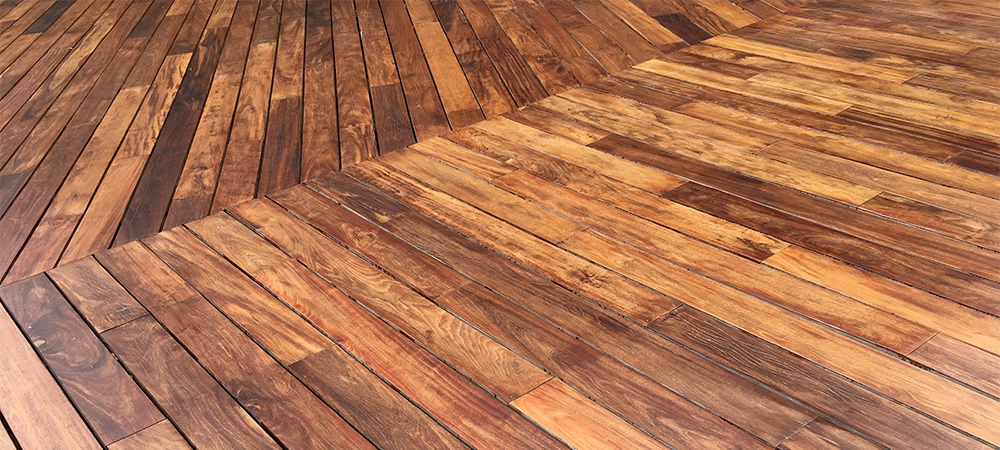
Cumaru is a durable hardwood that competes with ipe at a more accessible cost. It offers strong resistance to insects and decay, plus a warm, medium-brown colour that complements many outdoor styles. Cumaru expands and contracts more than ipe, so installation must allow for movement.
Once installed correctly, it delivers decades of solid performance. Many homeowners choose Cumaru when they want hardwood strength without the highest-tier price.
Related Article: How to Prevent Your Existing Deck from Warping
8. Mahogany
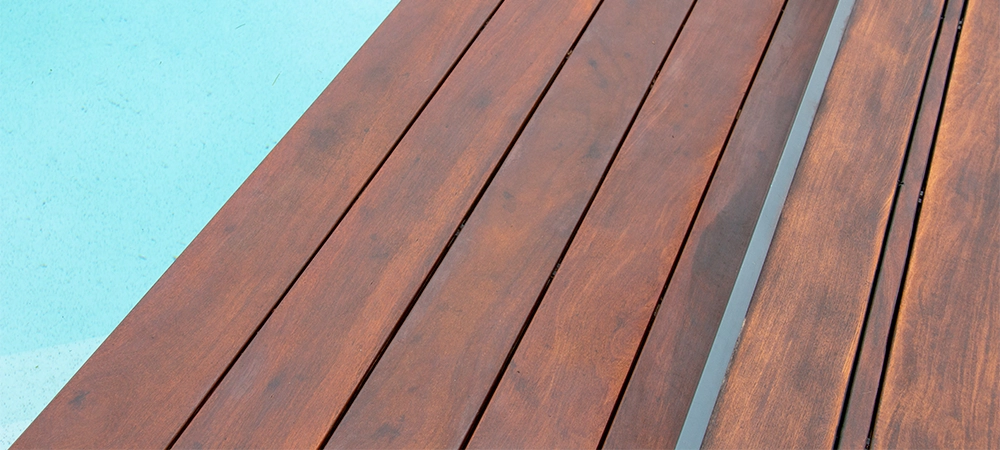
Mahogany decking offers a smooth surface with refined colour. The wood resists swelling and shrinking, which helps it stay straight through humid summers and cold winters. Its grain is tight and consistent, making it ideal for homeowners who prefer a uniform deck appearance.
Sealing extends its lifespan, though many appreciate how mahogany ages. It pairs well with both traditional and modern landscaping designs.
9. Yellow Balau
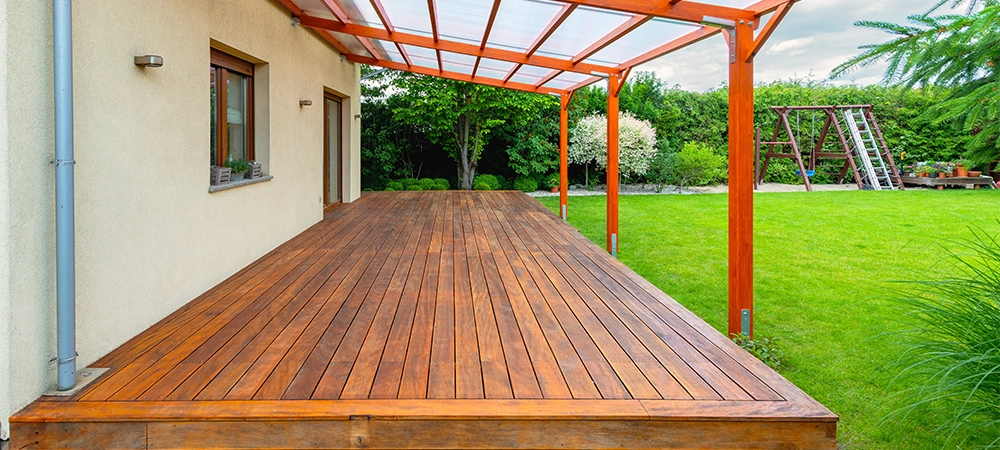
Yellow balau is a dense hardwood often compared to teak. It produces a strong, stable deck surface with a warm golden-brown tone. Because of its hardness, it handles heavy foot traffic and outdoor furniture well.
It requires pre-drilling for installation. With basic annual oiling, yellow balau holds its colour longer and stays resistant to cracking. This option works well for homeowners who want durability with a slightly lower cost than top-tier hardwoods.
10. Thermally Modified Wood
Thermally modified wood is treated with high heat and no chemicals. This alters the wood’s structure and increases its resistance to moisture, rot, and insects. The process also stabilizes the wood, which helps it resist warping during wet seasons.
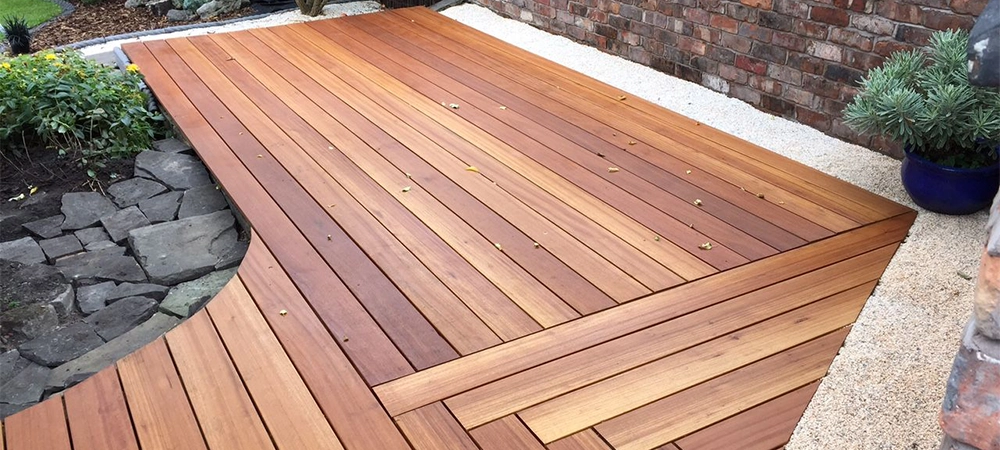
The result is a material that performs like hardwood with the lighter weight of softwood. It provides a smooth, modern look that suits clean-lined decks and minimalist outdoor spaces. Many families choose thermally modified wood for its eco-friendly profile and long lifespan.
Related Article: When Is the Best Time to Install a Deck?
Where Green Side Up Can Support Your Deck Project
Green Side Up Contracting builds custom wood decks across the Greater Toronto Area and brings years of experience to material selection and deck construction.
Our team helps you compare wood species, review maintenance needs, and plan a layout that suits your backyard. We handle everything about deck restoration and installation so your deck is set up for long-term performance.
What This Means for Your Deck Upgrade
Your decision comes down to three factors: how much time you want to spend on upkeep, how long you want the deck to last, and how much of your project budget should go toward materials.
Once you know how each material behaves outdoors, choosing becomes much easier. If you are ready to design or replace your deck, Green Side Up Contracting can help you compare options and build a structure that lasts.
Reach out to us for a free estimate and expert guidance.
Frequently Asked Questions
Which wood lasts the longest for decking?
Ipe typically lasts the longest due to its density and natural resistance to moisture, insects, and surface wear. With care, it can perform for several decades.
What wood requires the least maintenance?
Hardwoods such as ipe and cumaru need the least frequent upkeep. A basic oil treatment keeps their colour rich, and the boards remain stable even with heavy use.
Can softwoods last as long as hardwoods?
Softwoods like cedar and redwood last a long time when sealed consistently. They do not match hardwood strength but deliver strong value with proper care.
Are hardwood decks slippery?
Most hardwoods have a natural texture that prevents slipping. Oiling the boards helps preserve grip and protects the surface during wet seasons.
Does wood colour fade quickly outdoors?
All wood fades in sunlight, though hardwoods fade more slowly. Using a UV-protective finish keeps colour richer for longer.
What is the best wood for a large deck?
Pressure-treated pine remains a top choice for large decks because of cost efficiency. Families often stain it to match their outdoor design.
Is thermally modified wood worth the cost?
Yes. It stays stable in moisture, resists rot, and offers a clean look without chemical treatment. Many homeowners choose it for long-term reliability.