
Plunge pools are often linked with summer use, but more homeowners in the Greater Toronto Area (GTA) are asking whether they still make sense once temperatures drop. Cold months bring freezing air, snow load, and shorter days, all of which affect how outdoor water features perform. Understanding how plunge pools behave in winter helps you decide whether they remain practical, safe, and worth maintaining year-round.
What Is a Plunge Pool, Exactly?
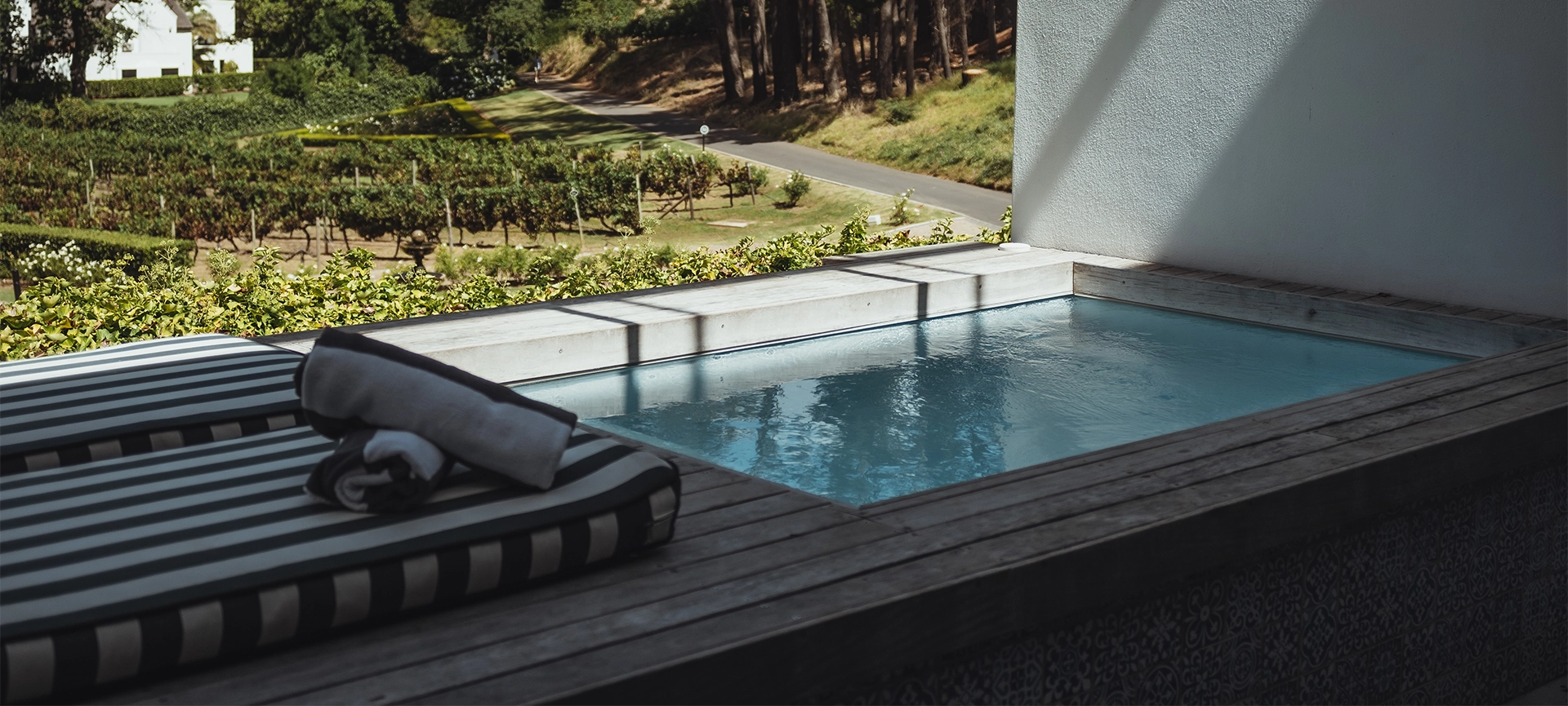
A plunge pool is a compact pool designed for brief immersion rather than swimming laps. Most are deeper than they are wide, making them ideal for cooling off, hydrotherapy, or contrast therapy. In Canada, plunge pools are often built with concrete or prefabricated shells and paired with heating systems, insulated covers, and automated filtration to manage seasonal temperature swings.
Unlike full-size pools, plunge pools use less water and require less energy to operate. This smaller footprint is one reason they adapt well to colder months when properly designed.
Related Article: When Is the Best Time to Install a Pool Cover?
How Cold Weather Affects Plunge Pools
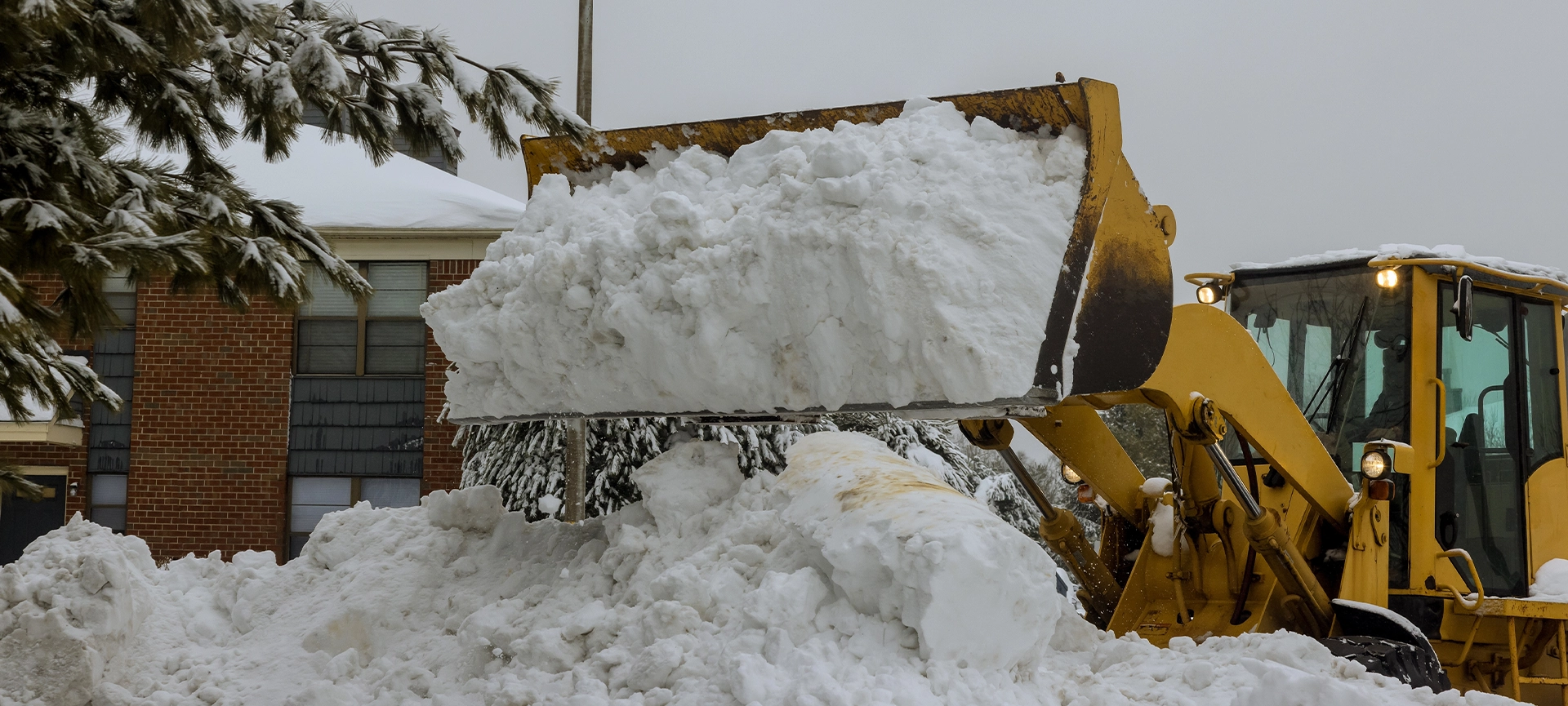
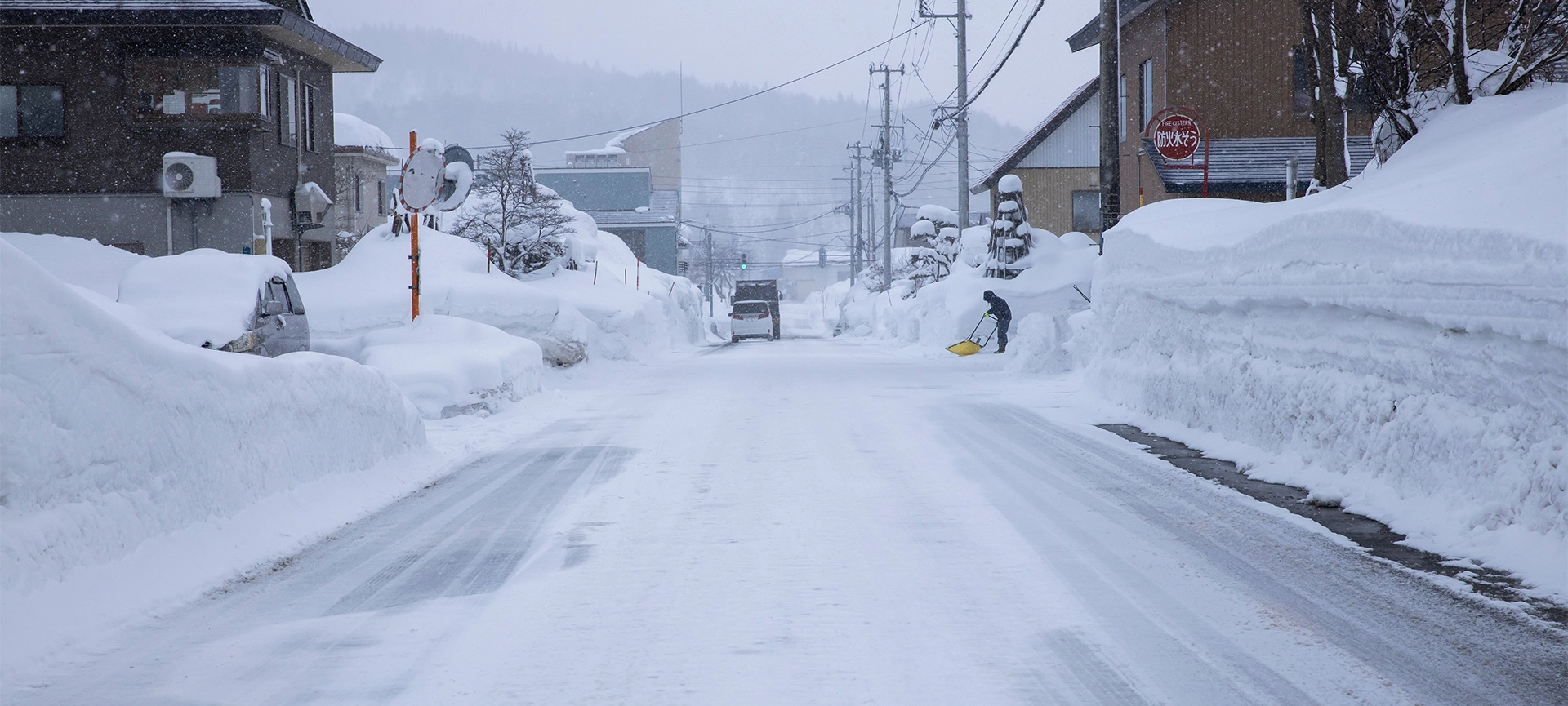
Cold months introduce three main challenges: freezing temperatures, snow accumulation, and reduced daylight. Water left unheated will quickly approach freezing, which can damage plumbing, pumps, and tile if not protected. Snow load adds weight to covers and surrounding structures, while ice formation increases slip risks around the pool edge.
That said, cold weather does not automatically make a plunge pool unusable. The impact depends on whether the pool is heated, insulated, and maintained with winter conditions in mind.
Heated vs. Unheated Plunge Pools in Winter
Heated plunge pools perform very differently from unheated ones during cold months.
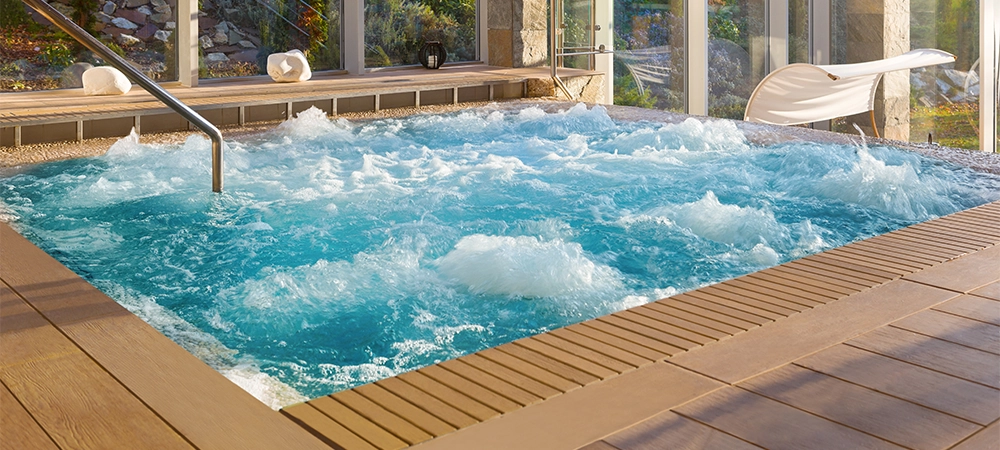
A heated plunge pool can maintain a set water temperature even when air temperatures fall below zero. Modern electric or gas heaters are designed to operate efficiently in winter, especially when paired with insulated pool shells and tight-fitting covers. This setup allows year-round use and consistent water quality.
An unheated plunge pool, on the other hand, is usually winterized once freezing temperatures arrive. Water is drained below the skimmer line, plumbing is blown out, and the pool is covered until spring. In this case, the plunge pool does not “work” for use, but it remains structurally protected through winter.
Are Cold Plunges Safe During Winter?
Cold plunging is popular for muscle recovery and circulation support, but winter conditions require extra caution. Entering cold water when the surrounding air is also cold increases stress on the body. Sudden temperature changes can elevate heart rate and blood pressure.
For healthy adults, short, controlled plunges are generally safe when water temperature, entry time, and supervision are managed properly. Heated plunge pools used for contrast therapy are often safer than icy, unregulated water temperatures. Slip-resistant decking, handrails, and clear access paths are essential during icy months.
Anyone with cardiovascular concerns should consult a medical professional before plunging.
Energy Use and Operating Costs in Cold Months
One of the biggest concerns homeowners have is energy cost. Heating water in winter does require more power, but plunge pools are more efficient than large pools because of their size.
Energy use depends on several factors:
- Heater type and efficiency
- Pool insulation quality
- Use of a thermal cover
- Desired water temperature
A well-insulated plunge pool with a secure cover loses far less heat overnight. Many homeowners choose to lower the water temperature slightly in winter to balance comfort and cost. Compared to heating a full swimming pool, a plunge pool remains a manageable expense.
Maintenance Requirements During Winter
Winter maintenance focuses on prevention rather than frequent cleaning. Heated plunge pools still need regular water testing, filter checks, and debris removal, but at a reduced frequency due to limited use.
Key winter maintenance steps include:
- Keeping water chemistry balanced to prevent scaling
- Clearing snow from covers promptly
- Checking heaters and pumps for ice buildup
- Ensuring drainage around the pool edge remains clear
Professional winter inspections help catch small issues before freeze-thaw cycles cause damage. Many homeowners schedule seasonal service checks to protect their investment.
Related Article: Do Pool Copings Crack in Cold Weather?
Design Features That Make Winter Use Practical
Not all plunge pools are equal when it comes to cold-month performance. Design choices made during planning have a direct impact on winter usability.
Effective winter-ready features include:
- Insulated concrete shells
- In-ground installation for thermal stability
- Automatic safety covers rated for snow load
- Non-slip stone or composite coping
- Windbreaks such as fencing or privacy walls
When plunge pools are integrated into a broader landscape plan, they benefit from proper grading, drainage, and hardscaping support. This is where experienced landscape contractors play a key role.
Companies like Green Side Up Contracting design outdoor spaces with year-round performance in mind, helping homeowners avoid winter issues tied to drainage, access, and surface safety.
Related Article: Pool Permits & Hidden Fees for Toronto Homeowners
Do Plunge Pools Add Value If Used Year-Round?
A plunge pool that functions through winter can increase perceived property value, especially in urban areas with limited yard space. Buyers often see year-round features as practical upgrades rather than seasonal luxuries.
A winter-ready plunge pool signals:
- Efficient use of outdoor space
- Lower long-term maintenance than full pools
- Wellness-focused design
While resale value depends on neighbourhood and buyer preferences, a properly built plunge pool is rarely viewed as a drawback when winter protection is in place.
When a Plunge Pool May Not Make Sense in Winter
Despite their flexibility, plunge pools are not ideal for every property. Limited electrical capacity, poor yard drainage, or exposure to heavy wind can make winter operation costly or inconvenient. In these cases, seasonal winterization may be the better option.
A site assessment helps determine whether heating and winter use are realistic. Soil conditions, access for service, and surrounding hardscape all influence performance during cold months.
Related Article: Signs It’s Time to Restore or Renovate Your Pool
A Practical Way to Think About Year-Round Use
Plunge pools do work in cold months, but only when designed and managed for winter conditions. Heated systems, insulation, safe access, and proper landscaping turn them into year-round features rather than fair-weather additions.
If winter use is important to you, planning from the start matters more than retrofitting later. A well-built plunge pool should feel intentional in January, not like something waiting for spring.
Planning Ahead for Cold-Weather Performance
Outdoor features face the most stress during winter. Freeze-thaw cycles test materials, drainage, and construction quality. Working with contractors who understand year-round landscape performance reduces long-term maintenance and repair costs.
If you are considering adding a plunge pool or upgrading an existing outdoor space, early planning allows you to address winter use before installation begins.
Thinking About Year-Round Outdoor Comfort
A plunge pool can remain functional through cold months when it is designed for Canadian winters. With the right planning, winter does not have to limit how you use your outdoor space.
Contact us today for your plunge pool project.
Frequently Asked Questions
Can You Use a Plunge Pool When It Is Snowing?
Yes, if the plunge pool is heated and safely accessible. Snow should be cleared from covers and surrounding surfaces before use. Non-slip materials and handrails reduce winter safety risks.
Do Plunge Pools Freeze Solid in Winter?
Unheated plunge pools can freeze if not winterized. Heated pools with proper insulation and circulation are designed to prevent freezing even in sub-zero conditions.
Is a Winter Plunge Pool Expensive to Run?
Operating costs are lower than full-size pools due to smaller water volume. Using an insulated cover and an efficient heater keeps energy use manageable.
Should Plunge Pools Be Covered in Winter?
Yes. Covers reduce heat loss, keep debris out, and protect the pool from snow load. They also improve safety when the pool is not in use.
Can a Plunge Pool Be Added to an Existing Winter Landscape?
Yes, but drainage, access, and surrounding hardscape must be evaluated. Retrofitting without proper planning can lead to winter performance issues.