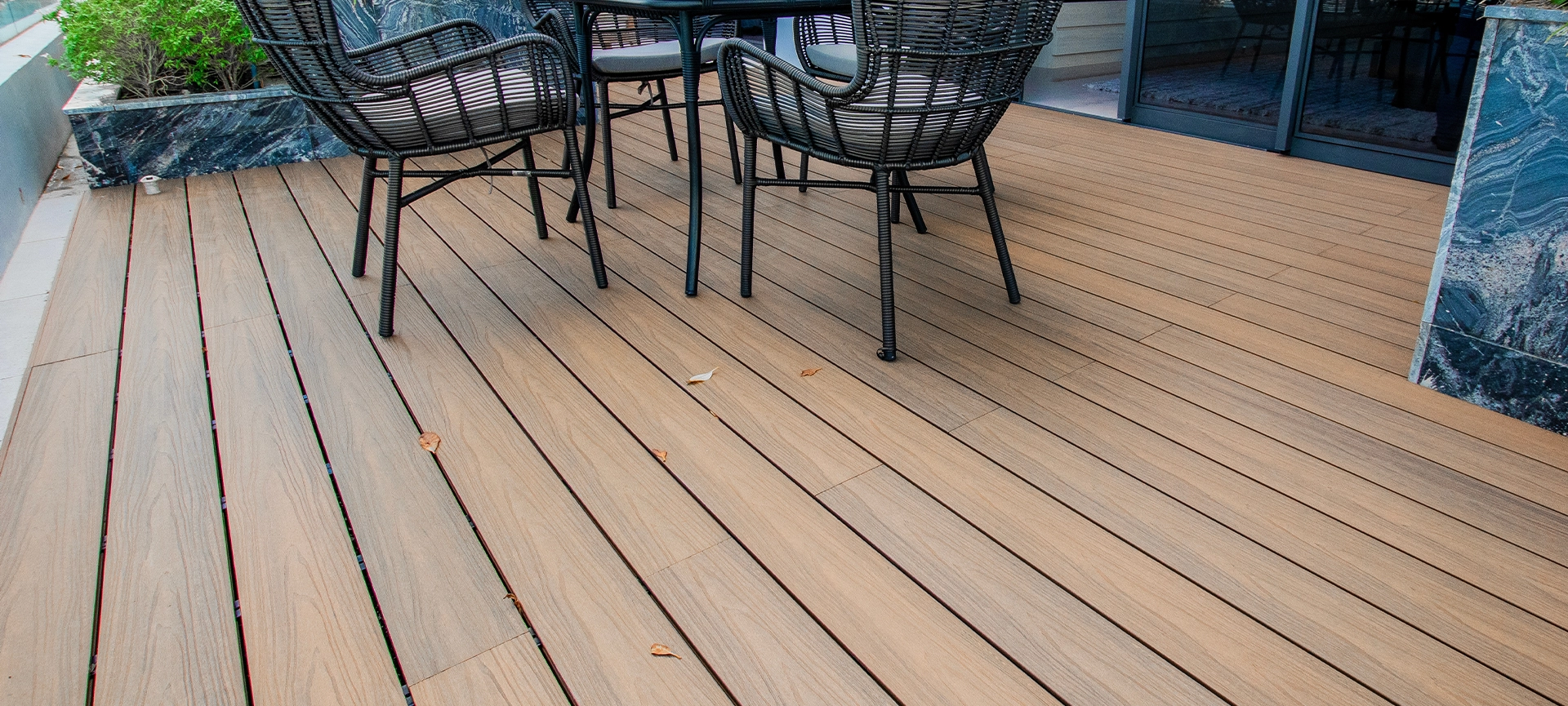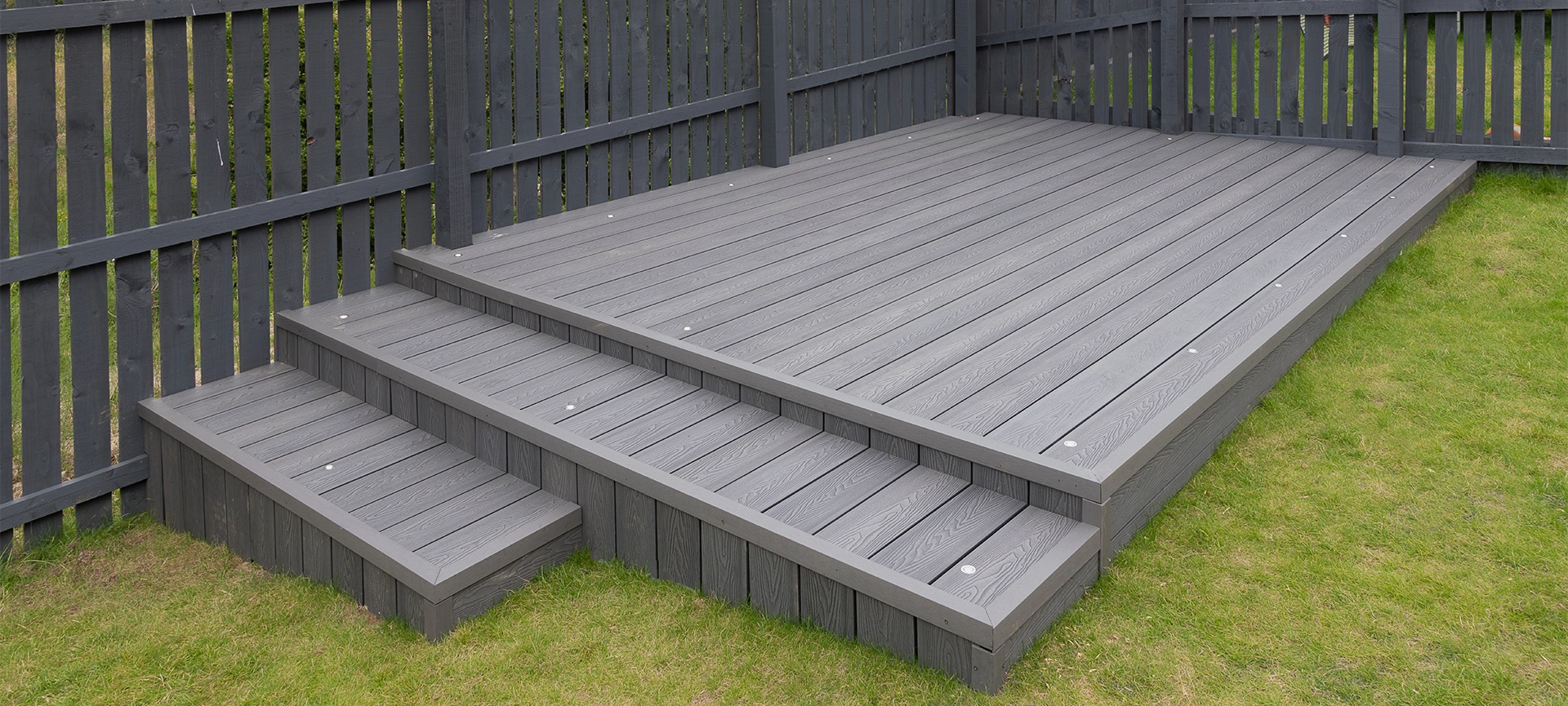
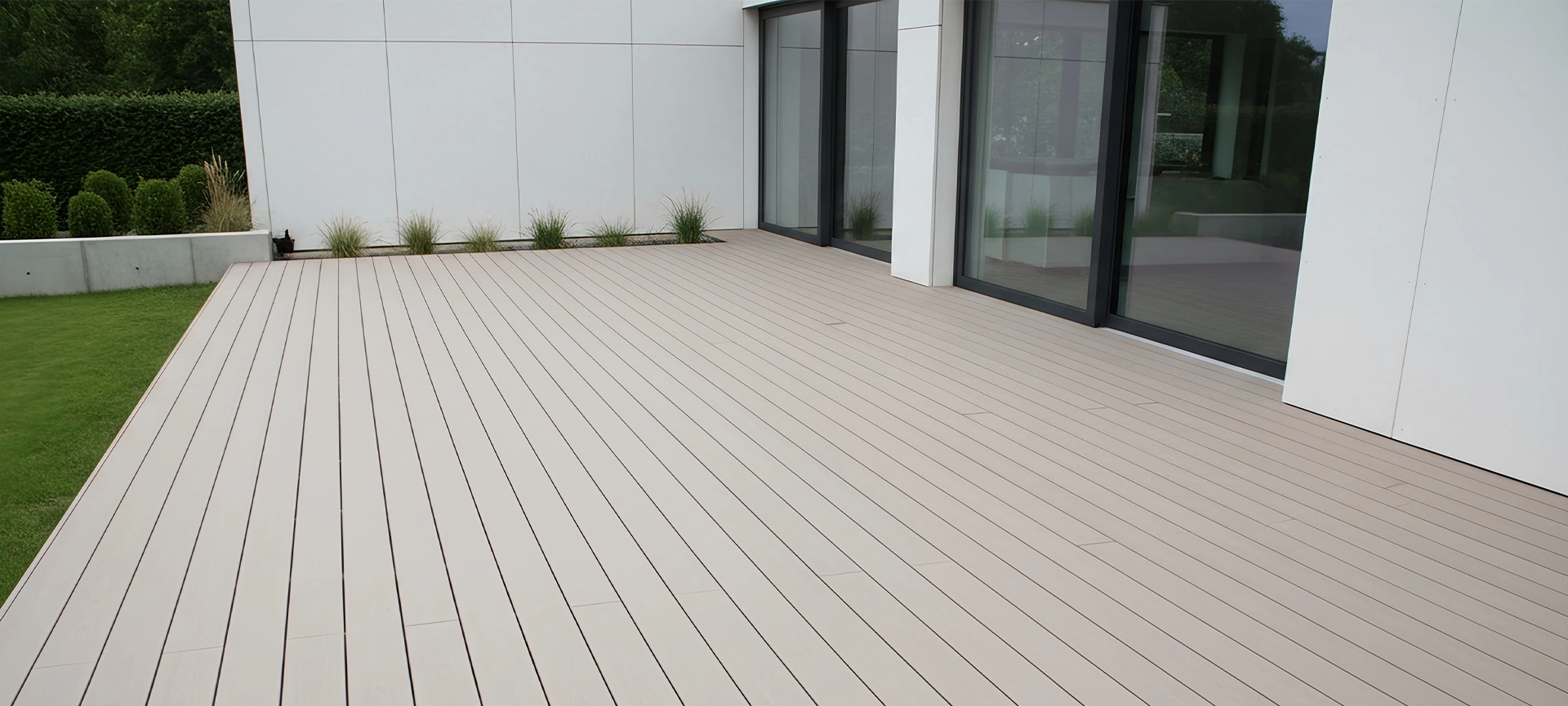

A deck is not a short-term feature. It is a structure that has to handle daily foot traffic, seasonal weather, and years of exposure without becoming a maintenance burden. Choosing the right deck materials plays a major role in how well your outdoor space handles moisture, temperature changes, and long-term wear.
For Canadian homeowners, that challenge is amplified by snow, moisture, freeze-thaw cycles, and strong summer sun.
Trex composite decking has gained traction because it addresses those pressures directly, offering consistent performance where traditional wood often struggles.
Reduced Maintenance Without Seasonal Work
Wood decking demands attention year after year. Staining fades, sealants break down, and boards begin to show wear in high-use areas. Over time, maintenance becomes part of the cost of ownership.
Trex composite decking removes most of that workload. Boards do not require staining, painting, or sealing. Cleaning is usually limited to light washing to remove surface dirt or pollen. There is no annual prep cycle and no concern about missed maintenance leading to long-term damage.
For homeowners who want to use their deck rather than maintain it, this shift makes a noticeable difference.
Related Article: PVC vs. Composite Decking: What’s the Difference?
Consistent Performance in Canadian Weather
Canadian decks face conditions that expose material weaknesses quickly. Moisture absorption leads to swelling. Repeated freezing causes cracking. Strong sun accelerates surface breakdown.
Composite decking resists these issues because it does not absorb water the way wood does. Trex boards maintain their shape through wet seasons and temperature swings, reducing issues like cupping or surface splitting. This stability becomes especially valuable during late winter and early spring when conditions fluctuate daily.
Instead of reacting to weather damage, homeowners gain a deck that stays predictable year after year.
Long-Term Appearance That Does Not Depend on Refinishing
Appearance is often the first thing to decline with wood decking. Colour fades unevenly, especially where snow sits or foot traffic concentrates. Repairs and patch staining rarely blend cleanly.
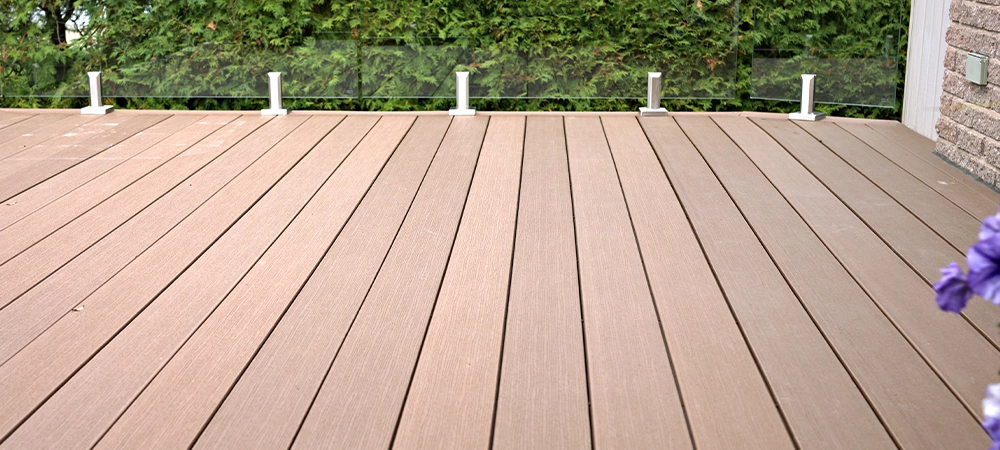
Trex composite decking is manufactured to maintain colour consistency across the entire surface. While outdoor exposure naturally causes a gradual change over time, composite boards weather evenly. High-traffic zones do not stand out as quickly, and the deck keeps a unified look longer.
This is particularly important for backyards that function as visual extensions of the home.
Related Article: How to Resurface a Deck with Trex
Improved Safety for Daily Use
Deck safety is not just about structure. Surface condition matters, especially in wet or icy conditions.
Trex boards are splinter-free, eliminating one of the most common issues with ageing wood decks. The surface texture also improves grip compared to smooth, sealed lumber, which can become slick during rain or snow melt.
For families with children, pets, or frequent guests, these safety improvements reduce everyday risk without requiring extra treatments or coatings.
A More Predictable Long-Term Cost
Upfront pricing often dominates material comparisons, but long-term cost tells a more complete story.
Wood decks may start cheaper, but ongoing expenses add up. Stains, sealers, replacement boards, and labour costs increase over time. Composite decking reduces or eliminates many of those recurring costs.
Trex composite decking is designed for long service life with minimal intervention. Over years of ownership, the reduced maintenance and repair needs often offset the higher initial investment. For homeowners planning to stay put, this predictability matters.
Related Article: Cost of Deck Remodel Toronto 2025: What Homeowners Really Pay
Environmental Considerations Without Compromise
Material choice increasingly includes environmental impact. Trex composite decking is produced using recycled wood fibres and reclaimed plastic, reducing waste and limiting the demand for new lumber.
This approach supports responsible material use without sacrificing strength or durability. Homeowners can choose a product that aligns with sustainability goals while still meeting practical performance needs.
Design Flexibility That Supports Modern Outdoor Use
Decks today serve more than one purpose. They function as dining areas, gathering spaces, and outdoor extensions of interior living zones.
Trex composite decking is available in a wide range of colours, finishes, and board profiles. This allows for cleaner lines, contemporary layouts, and design consistency without increasing upkeep. Installation patterns can add visual interest while keeping surfaces easy to maintain.
Design choice becomes a creative decision rather than a maintenance trade-off.
Related Article: How to Clean Trex Decking
Why Composite Decking Performs Well in the GTA
In the Greater Toronto Area (GTA) and York Region, decks experience heavy seasonal stress. Snow clearing, moisture retention, and temperature swings place constant pressure on materials.
Composite decking performs well under these conditions because it reduces moisture-related movement and surface breakdown. Many local homeowners choose composite boards specifically to avoid repeated repairs after winter.
Trex products are commonly selected for Canadian residential projects where durability, safety, and long-term appearance are priorities.
Is Trex Composite Decking the Right Choice?
Trex composite decking suits homeowners who want a deck that remains stable, safe, and visually consistent without ongoing seasonal work. It is a practical option for those who value long-term performance over short-term savings.
For homeowners with aging structures, deck restoration can extend the life of an existing frame while upgrading the surface to composite boards. If your goal is to build once and maintain less, composite decking deserves serious consideration.
Building a Deck You Will Still Enjoy Years From Now
A deck should add comfort, not constant tasks. Choosing materials that handle Canadian winters and still look good in summer changes how the space is used and enjoyed.
If you are planning a new deck or replacing worn boards, speak with the Green Side Up team to help you determine whether composite decking fits your home and lifestyle. A well-planned decision now can save years of upkeep later.
Frequently Asked Questions
Does composite decking fade over time?
All outdoor materials weather gradually. Trex composite decking is designed to fade evenly, helping the deck maintain a consistent appearance rather than developing patchy discolouration.
Can composite decking be shovelled in winter?
Yes. Plastic shovels are recommended to avoid surface scuffing. Metal blades should be avoided to protect the board finish.
Is Trex decking suitable for elevated decks?
Yes. Composite boards can be used on raised decks when supported by properly designed framing that meets local building requirements.
How does composite decking handle moisture under furniture?
Trex boards resist moisture absorption, which helps prevent staining or soft spots beneath furniture and planters.
Can damaged composite boards be replaced individually?
In most cases, individual boards can be removed and replaced without dismantling the entire deck, provided the original installation allows access.
Does composite decking require sealing after installation?
No. Trex composite decking does not require sealing, staining, or painting at any stage of its lifespan.