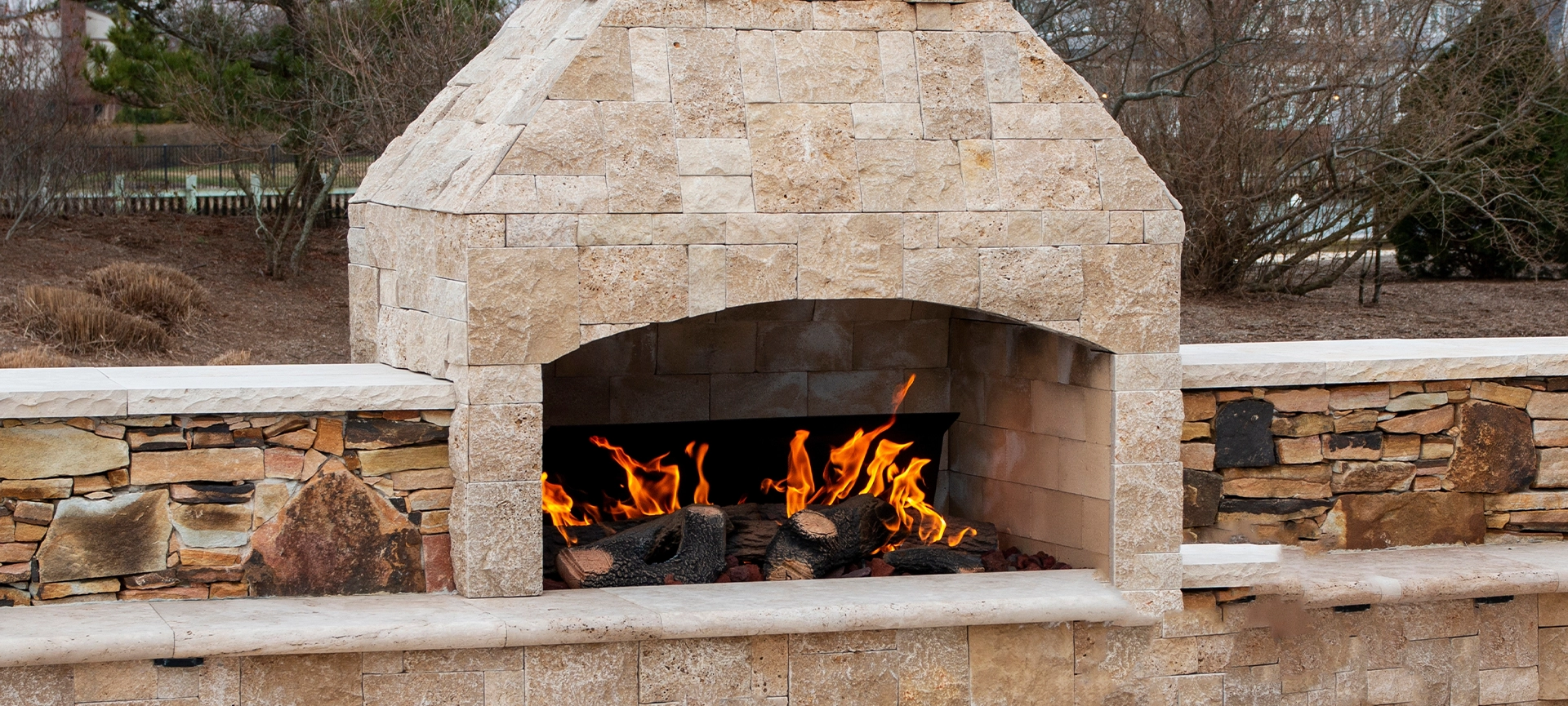

An outdoor fireplace does more than add warmth. It defines how people gather, relax, and use an outdoor space throughout the year. A well-designed fireplace becomes a natural focal point, extends seasonal use, and adds real property value when built correctly.
A great outdoor fireplace balances safety, durability, comfort, and visual appeal. Materials, placement, fuel type, and integration with the surrounding landscape all play a role. Below is a practical breakdown of what truly makes an outdoor fireplace work, both visually and functionally, for Canadian homes.
Related Article: Top 3 Outdoor Upgrades Before Winter Hits
Purpose Comes First
Before choosing stone, brick, or fuel type, the purpose of the fireplace must be clear. Outdoor fireplaces fail when they look impressive but do not suit how the space is actually used.
Some homeowners want warmth for evening gatherings. Others want an anchor feature for entertaining, cooking, or seasonal use. A fireplace designed for quiet seating differs from one meant for large groups or outdoor dining.
Key questions to define purpose include:
- Will the fireplace be used mainly for heat or ambiance?
- Is the area for conversation, dining, or both?
- Will it be used year-round or mainly in spring and fall?
Clear intent shapes every design decision that follows.
Proper Placement and Layout
Placement affects comfort, safety, and usability. A fireplace that blocks pathways or sits too far from seating quickly loses value.
A strong layout considers:
- Wind direction to reduce smoke blowback
- Distance from structures and fencing
- Clear circulation paths around the feature
- Proximity to seating without crowding
Fireplaces work best when integrated into patios, decks, or seating walls rather than standing alone. This approach creates flow and encourages people to gather naturally around the fire.
Related Article: What is Landscaping: A Comprehensive Guide
Durable Materials Built For Canadian Weather
Canada’s freeze-thaw cycles demand materials that can handle temperature shifts without cracking or shifting. A great outdoor fireplace is built for longevity, not just looks.
Recommended materials include:
- Natural stone with low water absorption
- Concrete masonry units with proper liners
- Fire-rated brick and refractory mortar
- Stainless steel or cast iron fireboxes
Avoid decorative veneers that are not rated for exterior fire exposure. Over time, moisture penetration and frost can lead to surface failure if the wrong materials are used.
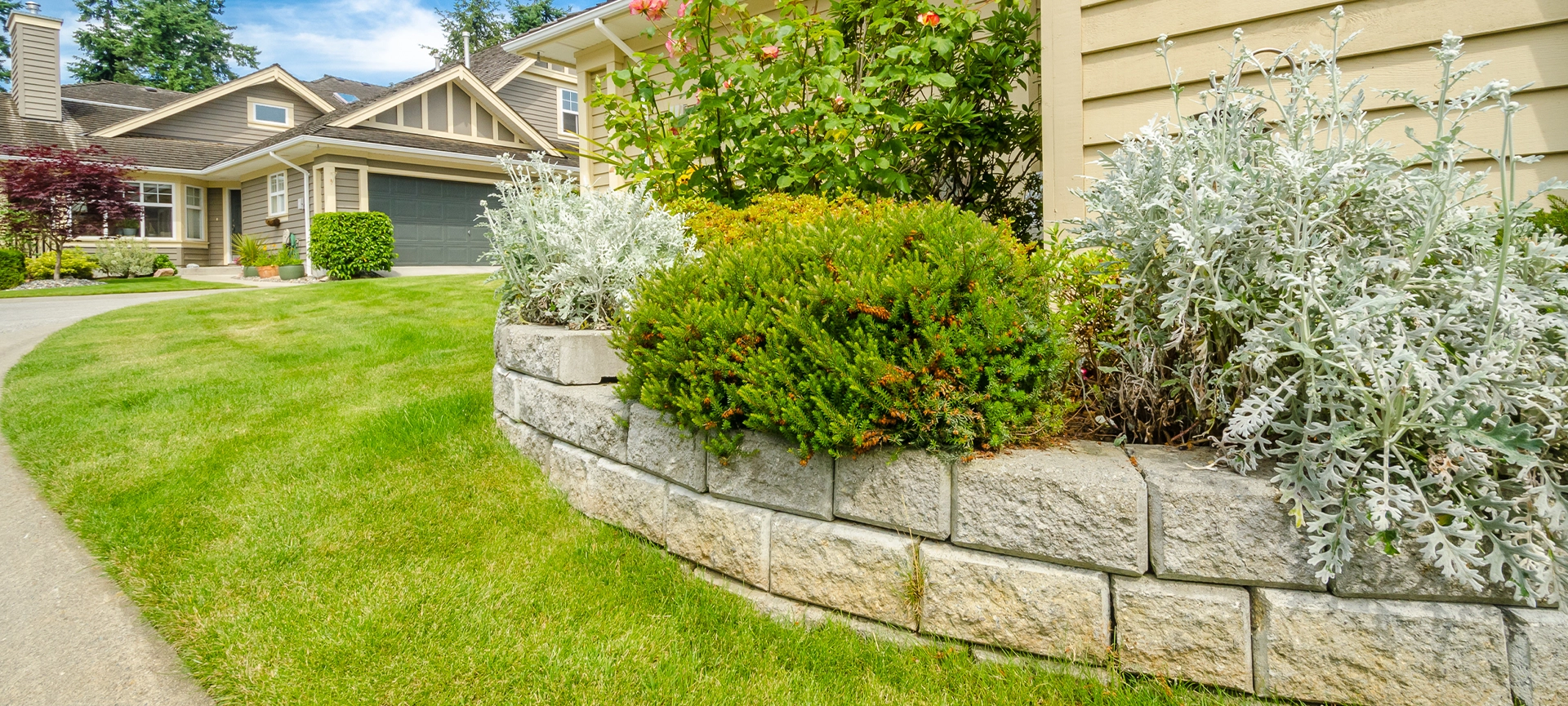
Proper landscaping construction ensures the fireplace footing, drainage, and surrounding surfaces work together to prevent shifting, cracking, and long-term wear.
A properly constructed base and footing are just as important as surface finishes, especially in regions with deep frost lines.
Choosing the Right Fuel Type
Fuel choice affects maintenance, heat output, and long-term costs. Each option suits different lifestyles.
Wood-Burning Fireplaces
Wood offers a traditional look, crackle, and scent. It requires more maintenance, regular cleaning, and proper storage. It also needs careful smoke management and local bylaw compliance.
Gas Fireplaces
Natural gas or propane fireplaces provide consistent heat and easy ignition. They are clean-burning, low-maintenance, and ideal for frequent use. Installation requires professional gas line work.
Ethanol Fireplaces
Ethanol units offer flexibility and modern styling. Heat output is lower, but they work well for smaller patios and urban spaces where gas or wood is not practical.
The best choice depends on how often the fireplace will be used and how much maintenance the homeowner is comfortable managing.
Scale and Proportion Matter
A fireplace that is too small feels underwhelming. One that is too large dominates the yard and disrupts balance.
Proportion should reflect:
- Size of the patio or deck
- Ceiling height is partially covered
- Seating capacity
- Visual weight of nearby structures
Fireplace height and width should feel intentional rather than oversized for impact alone. Clean lines and correct scale often look more refined than overly tall or bulky designs.
Safety and Building Code Compliance
A great outdoor fireplace is safe by design. This includes proper clearances, fire-rated materials, and compliance with local building codes.
Safety considerations include:
- Firebox liners and spark arrestors
- Heat shields near wood structures
- Non-combustible hearth extensions
- Proper chimney height and draft
Permits are often required for permanent outdoor fireplaces, especially gas or wood-burning models. Professional installation ensures the structure meets regulations and insurance requirements.
Seating and Comfort Integration
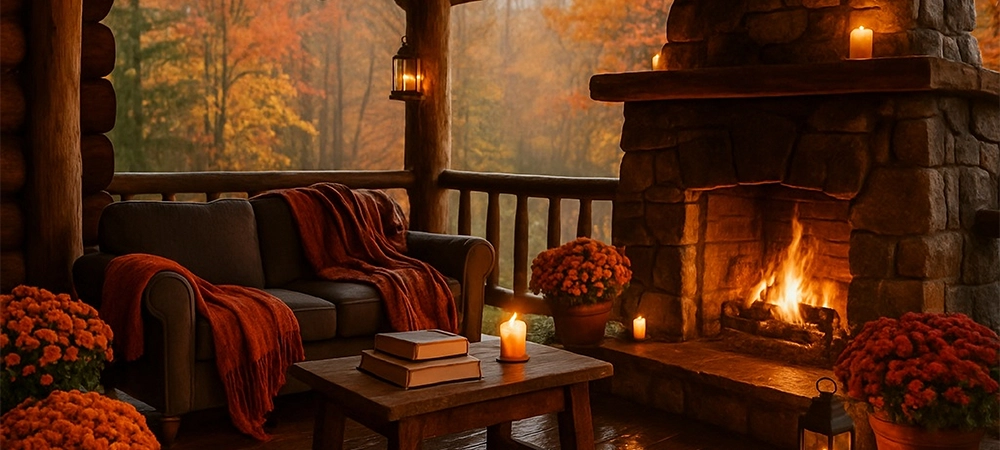
The fireplace should invite people to stay, not just stand and look. Comfort is created through thoughtful seating design.
When paired with an outdoor kitchen, a fireplace helps define a full entertainment zone where cooking, dining, and relaxing happen in one connected space.
Built-in benches, seat walls, or integrated decks help define the space. Loose furniture should be positioned to capture heat while maintaining safe distances.
Adding subtle elements like stone caps, timber accents, or cushions can soften the look and improve usability without compromising durability.
Lighting and Night-Time Use
Fireplaces are often used after sunset, so lighting matters. Poor lighting limits use and reduces safety.
Effective lighting includes:
- Low-voltage path lighting
- Soft ambient lighting around seating
- Accent lighting on stone or masonry
Lighting should complement the fire rather than compete with it. Warm tones work best and help maintain a relaxed atmosphere.
Related Article: How to Winterize Your Outdoor Kitchen
Design Consistency With the Landscape
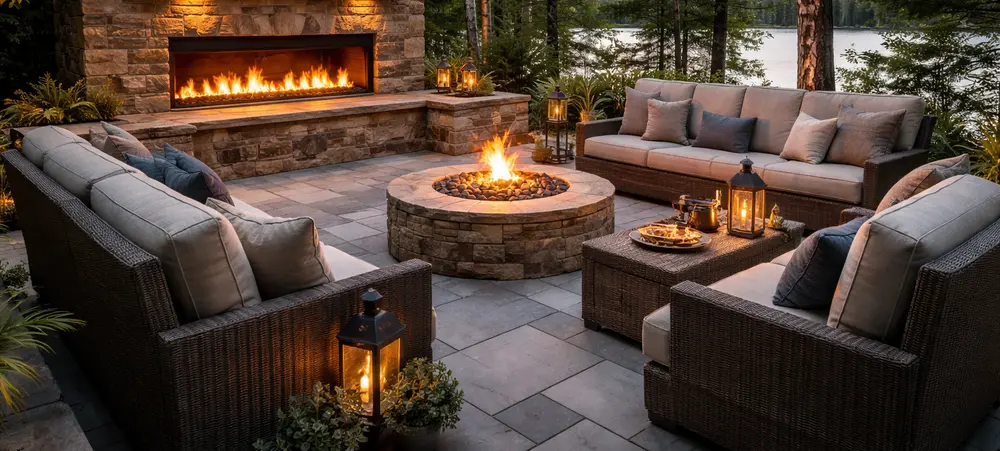
A great outdoor fireplace feels like it belongs. It should reflect the home’s architecture and the surrounding landscape design.
Modern homes suit clean-lined concrete or steel finishes. Traditional homes often pair well with natural stone or brick. Matching materials with patios, retaining walls, or decks creates cohesion across the outdoor space.
Professional landscape planning ensures the fireplace enhances the entire yard rather than appearing as an add-on.
Long-Term Value and Maintenance
A well-built outdoor fireplace adds functional square footage and boosts resale appeal. Buyers value outdoor features that are durable, safe, and easy to maintain.
To protect long-term value:
- Use weather-resistant finishes
- Seal masonry where recommended
- Clean fireboxes regularly
- Inspect chimneys and vents annually
When installed as part of a complete outdoor living design, fireplaces often deliver a strong return on investment.
Why Professional Design and Build Matters
Outdoor fireplaces combine structural work, fire safety, and landscape integration. Professional builders understand how to balance all three.
Green Side Up Contracting designs outdoor features that suit Canadian climates, meet local codes, and align with how homeowners actually use their spaces. Working with experienced professionals reduces costly mistakes and ensures the fireplace performs well year after year.
How to Move Forward With Your Outdoor Fireplace
A great outdoor fireplace starts with clear goals and expert planning. If you are considering adding one to your yard, focus on function, materials, and layout before aesthetics.
Speak with us to assess your space, discuss fuel options, and design a fireplace that fits your lifestyle. A well-built fireplace becomes more than a feature; it becomes the heart of your outdoor living area.
Frequently Asked Questions
Does an outdoor fireplace affect home insurance coverage?
It can. Insurers often require proof that the fireplace was permitted, code-compliant, and professionally installed. Gas units are usually viewed as lower risk than wood-burning models, especially when clearances and safety features are documented.
What kind of maintenance does an outdoor fireplace actually need?
Wood-burning fireplaces need regular ash removal and periodic chimney checks. Gas fireplaces require occasional burner and connection inspections. Masonry may also need resealing to prevent moisture damage over time.
Is it possible to switch from wood to gas later?
Sometimes. Conversion depends on the original firebox and chimney design. Planning for a future gas line during the initial build makes conversion easier and less costly.
How does wind exposure impact fireplace usability?
Wind can cause smoke blowback and uneven heat. Fireplaces work best when protected by walls, landscaping, or partial enclosures that improve flame stability and comfort.
Are outdoor fireplaces practical for smaller yards?
Yes, when scaled correctly. Compact gas or ethanol fireplaces suit limited spaces and require less clearance, making them easier to integrate without crowding the area.
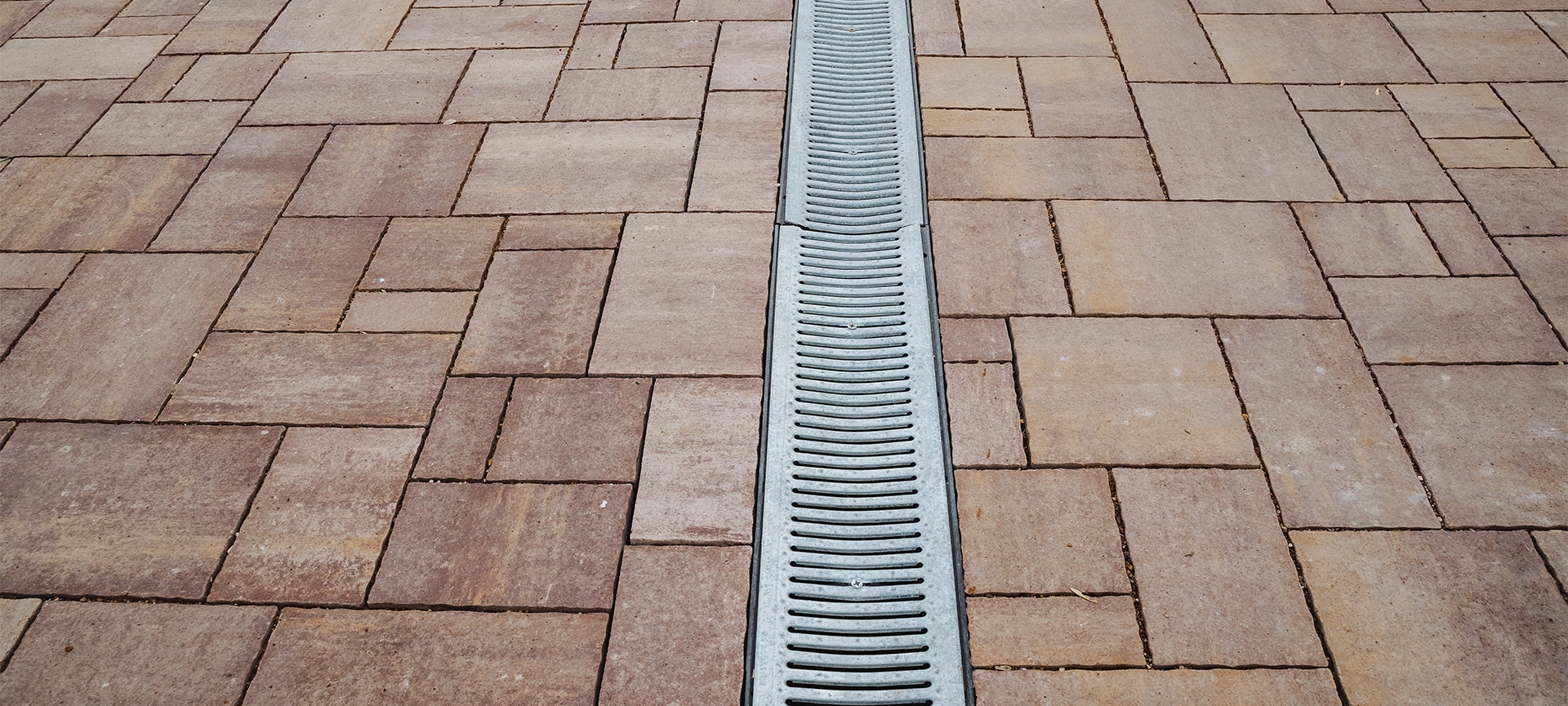
Why is drainage important for an outdoor fireplace?
Poor drainage leads to water buildup, frost movement, and cracking. Proper grading and base preparation help protect the structure and extend its lifespan.
Can I add seating or other features later?
Yes, but it is easier when planned early. Retrofitting seating walls or lighting may involve reworking surfaces, so future upgrades should be considered during design.