
Building a deck is one of the most rewarding outdoor upgrades you can make, but it is also a project where small decisions carry long-term consequences. Deck materials, layout, permits, and workmanship all affect how your deck looks, feels, and performs over time. Asking the right questions before construction begins helps you avoid budget creep, safety issues, and future repairs.
This guide walks through ten essential questions every homeowner should ask before building a deck. These are the same conversations reputable contractors expect and welcome because they lead to better planning, clearer expectations, and stronger results.
1. What Will the Deck Be Used for Most of the Time?
Before discussing materials or costs, clarify how the deck will actually be used. A deck designed for quiet morning coffee differs from one built for large gatherings, outdoor dining, or family activities.
Usage affects size, load requirements, railing choices, and surface finishes. For example, entertaining-focused decks often need wider staircases, built-in seating, and lighting, while relaxation-focused decks may prioritize privacy screens or pergolas. Being honest about how often and how many people will use the space ensures the design supports real life, not just visual appeal.
2. How Big Should the Deck Be for the Space and the House?
Bigger is not always better. A deck should complement the home’s scale and the yard’s layout without overwhelming either. An oversized deck can dominate outdoor space, while an undersized one may feel cramped or limit furniture placement.
Consider traffic flow, door access, stairs, and nearby landscaping. A professional assessment helps balance proportions while meeting functional needs. Local setback rules may also limit how close a deck can sit to property lines, which influences size and shape early in the planning stage.
Related Article: 10 Best Wood Decking Options for Your Home
3. Which Decking Material Fits My Climate, Budget, and Maintenance Expectations?
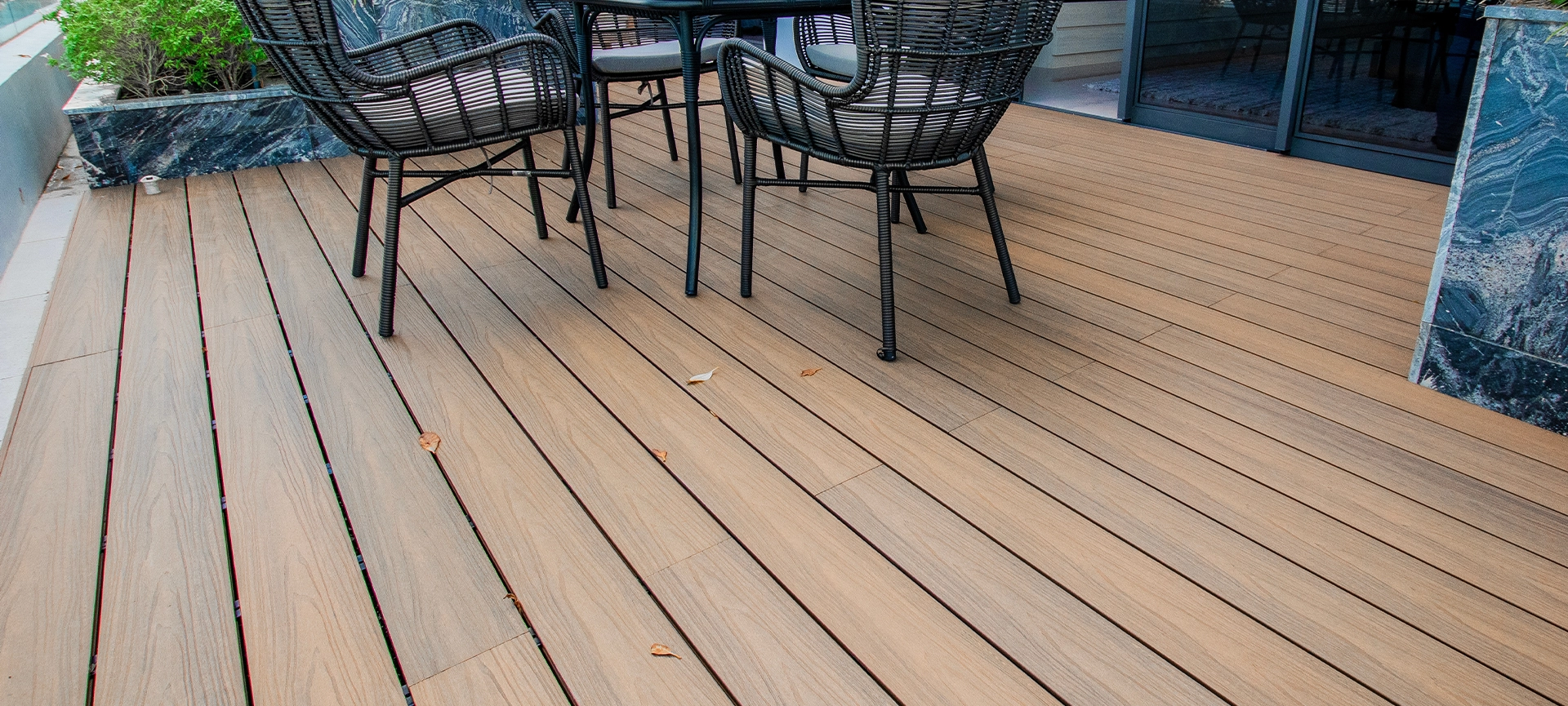
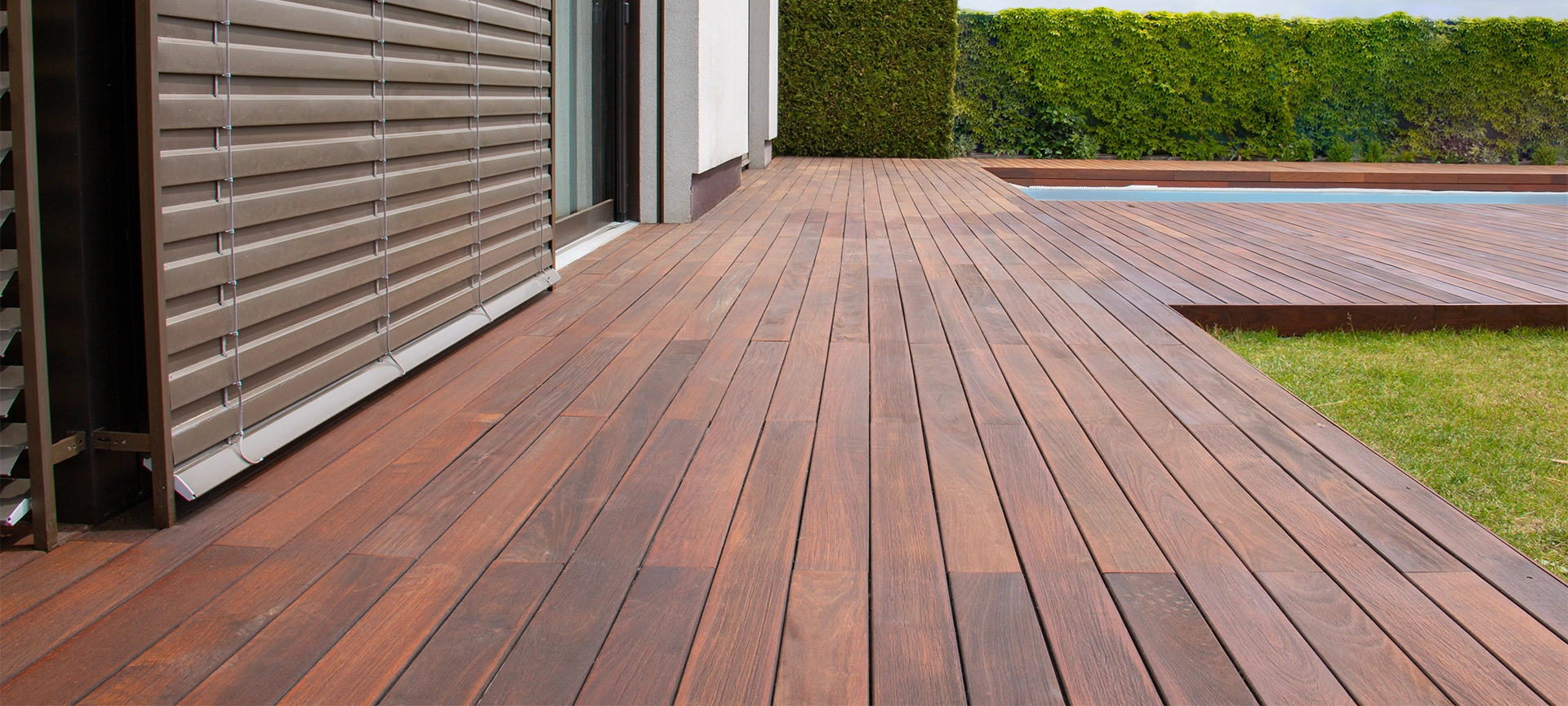
Material choice has a direct impact on cost, longevity, and upkeep. Pressure-treated wood is budget-friendly but requires regular sealing or staining. Cedar offers a natural look with better resistance to rot, though it still needs ongoing care. Composite decking costs more upfront but reduces maintenance and resists fading, moisture, and insects.
Climate matters. Freeze-thaw cycles, moisture levels, and sun exposure all affect how materials perform over time. Choosing based on appearance alone can lead to premature wear. The right option balances upfront investment with long-term ownership costs and realistic maintenance habits.
4. What Permits and Approvals Are Required?
Many homeowners underestimate the importance of permits. In most municipalities, decks above a certain height or attached to a home require building permits and inspections. Failing to secure approvals can lead to fines, forced removal, or issues during resale.
Permit requirements often cover footings, ledger attachment, railing height, and stair design. A qualified contractor should manage this process, ensuring the deck meets local building codes and safety standards. Asking upfront who handles permits avoids confusion and delays later.
5. How Will the Deck Be Supported and Framed?
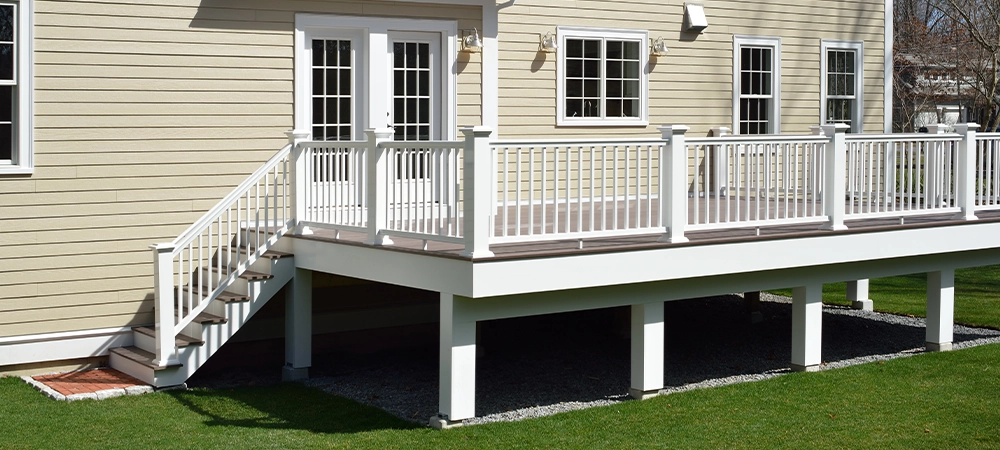
What lies beneath the deck matters as much as what you see on top. Proper footings, framing spacing, and ledger attachment protect against sagging, shifting, and structural failure.
Footings must extend below frost depth to prevent movement during winter. Joist spacing affects how solid the deck feels underfoot, especially with composite materials that need closer support. Cutting corners at this stage may not be visible immediately, but it often leads to costly repairs years later.
Related Article: Can You Replace Railings Without Rebuilding Decks?
6. What Safety Features Are Required or Recommended?
Deck safety is not optional. Railings, stairs, and lighting must meet code requirements and suit the deck’s height and usage. Handrails, guard spacing, and non-slip surfaces reduce the risk of falls and injuries.
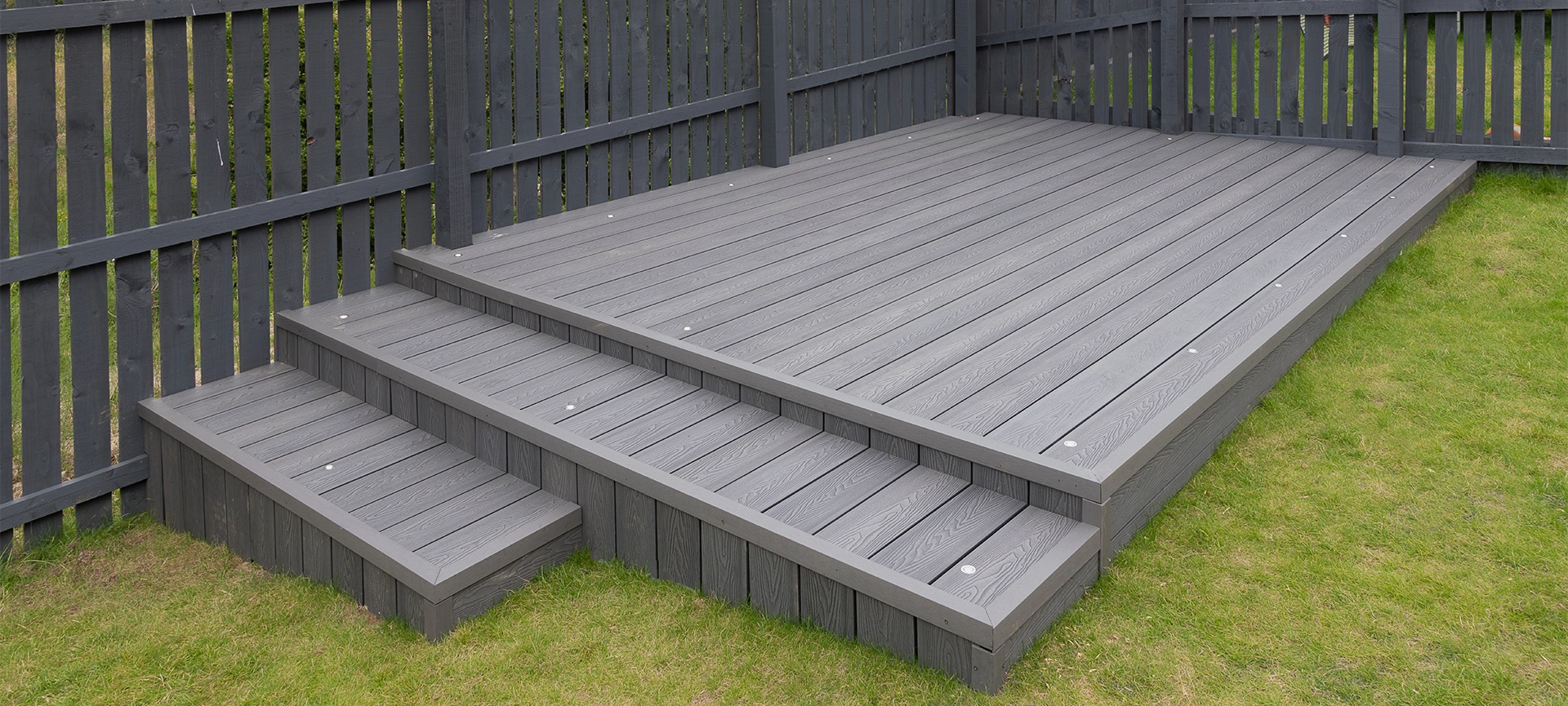
Lighting is often overlooked but plays a key role in safety and usability. Stair lights, post caps, and low-voltage perimeter lighting extend deck use into the evening while improving visibility. Asking about safety early ensures these features are integrated cleanly into the design.
7. How Will the Deck Integrate With the Rest of the Yard?
A deck should feel like part of a complete outdoor space, not a standalone platform. Transitions to lawns, gardens, patios, or pools affect how natural and functional the space feels.
Consider stair placement, privacy from neighbours, and sightlines from inside the home. Planning for future landscaping, fencing, or pergolas avoids redesigns later. When the deck aligns with the yard’s flow, it becomes an extension of the home rather than an afterthought.
8. What Is the Realistic Budget Range Including Extras?
Deck budgets often expand due to overlooked details. Railings, stairs, lighting, seating, permits, and site preparation all add to the final cost. Clarify what is included in the quoted price and what counts as an upgrade.
It helps to discuss priorities early. If budget adjustments are needed, you can scale back size or materials rather than compromise on structure or safety. Transparent pricing conversations protect both homeowner and contractor from surprises mid-project.
Related Article: Save Money on Your Deck: When Resurfacing Makes More Sense Than Rebuilding
9. How Long Will Construction Take and What Should I Expect During the Build?
Understanding the timeline helps set expectations. Weather, inspections, and material availability can affect schedules, especially in peak seasons. Ask how long deck construction typically takes and what access the crew will need.
Knowing when noise, debris, or temporary yard disruption will occur makes planning easier. A clear build process also signals professionalism and organization, which are strong indicators of workmanship quality.
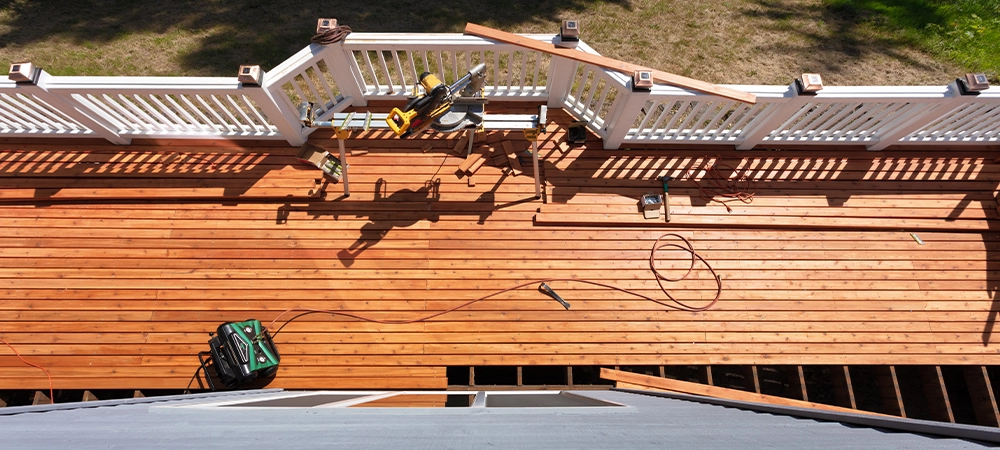
10. Who Will Build the Deck and What Experience Do They Have?
The contractor matters as much as the design. Look for experience, references, and proof of insurance. Skilled deck builders understand structural requirements, material behaviour, and local codes.
Working with an established company such as Green Side Up Contracting means access to experienced crews, proper permitting, and consistent build standards. Our familiarity with local conditions in the Greater Toronto Area supports long-lasting results and fewer post-build issues.
Planning Ahead Sets the Foundation for a Better Deck
Asking these ten questions before building a deck puts you in control of the process. You gain clarity on design, costs, safety, and long-term performance while avoiding rushed decisions that lead to regret.
A well-planned deck adds usable space, supports outdoor living, and enhances property value when done right. Starting with informed questions ensures your deck serves your lifestyle and stands up to time and weather.
If you are considering a new deck or planning to replace an existing one, speak with an experienced contractor early to save time, money, and stress. A professional consultation helps turn ideas into a build-ready plan.
Frequently Asked Questions
Do all decks require a building permit in Ontario?
Most decks attached to a home or raised above a certain height require permits. Ground-level platforms may be exempt, but rules vary by municipality.
How long does a typical deck last?
Lifespan depends on materials and maintenance. Pressure-treated wood may last 15 to 20 years, while composite decks often exceed 25 years with minimal upkeep.
Can a deck be built year-round?
Decks can be built in many seasons, but winter conditions may affect timelines and footing work. Spring and summer remain the most common build periods.
Is composite decking slippery when wet?
Modern composite products include textured surfaces designed to improve traction. Choosing quality brands reduces slip risk compared to older composites.
How often does a wood deck need maintenance?
Most wood decks require cleaning and sealing every one to two years, depending on exposure to sun and moisture.
Can I add features like a pergola later?
Yes, but planning for future features during the initial build allows for proper structural support and cleaner integration.
Do you have to remove grass before building a deck?
Yes. Grass and organic material must be removed to prevent rot, settling, moisture issues, and long-term structural instability.
How long should concrete cure before building a deck?
Concrete should cure at least 7 days before light framing and 28 days for full strength and load-bearing construction.