
Fresh sod can make a lawn look finished in a single day, but it is not fully established when it is installed. The grass may look mature, yet the roots are still shallow and need time to connect with the soil underneath.
Knowing how to properly water fresh sod is the most important part of early lawn care. If the sod dries out, roots may struggle to grow. If it is soaked too heavily, the soil can become soft, muddy, and low in oxygen. The goal is steady moisture, even coverage, and gradual adjustment as the lawn begins to root.
Why Fresh Sod Needs Consistent Watering
Fresh sod is living grass that has been cut from a growing field and moved to your property. That process leaves it with a thin root layer. Until those roots grow into the soil below, the sod depends almost completely on surface watering.
This is why the first few weeks matter so much. Fresh sod can dry out quickly, especially on sunny, windy, or hot days. Edges and seams dry even faster because they are exposed to air and heat from nearby patios, walkways, and driveways.
Consistent watering helps the sod stay green, settle evenly, and form deeper roots. It also reduces shrinking along seams, which can leave visible gaps in the lawn.
Water Fresh Sod Right After Installation
Fresh sod should be watered immediately after installation. Do not wait until the next day, and do not assume rain will do enough unless it is a steady, soaking rain.
The first watering should wet the sod and the soil beneath it. A light spray on top is not enough. Lift a corner of the sod after watering to check the underside. It should feel damp, and the soil below should also be moist.
The First Week: Keep the Sod Moist
During the first seven days, fresh sod needs frequent watering. The lawn should stay consistently moist, not flooded. In warm weather, this may mean watering two to four times per day.
Start with a deep morning watering. This gives the grass moisture before heat builds. If the sod begins to look dry by midday, water again. On hot or windy days, edges may need hand-watering in the afternoon.
Avoid heavy watering late at night unless the sod is clearly drying. Grass that stays wet overnight can become more prone to disease, especially in humid conditions.
A good first-week routine usually includes:
- A full morning soak
- A midday check during warm weather
- Spot watering for dry edges and seams
- Less evening watering unless needed
The lawn should feel damp underfoot, but it should not be swampy.
The Second Week: Water Less Often but More Deeply
By the second week, the sod should start rooting into the soil. At this point, begin reducing watering frequency while making each session deeper.
Instead of keeping only the surface damp, encourage roots to grow downward. Depending on the weather, you may water once or twice per day. If it is cool and cloudy, the lawn may need less. If it is hot and dry, it may still need close attention.
Use the tug test to check rooting. Gently pull up a corner of the sod. If it lifts easily, the roots are still shallow. If it resists, the sod is beginning to attach.
Weeks Three and Four: Shift to Regular Lawn Care
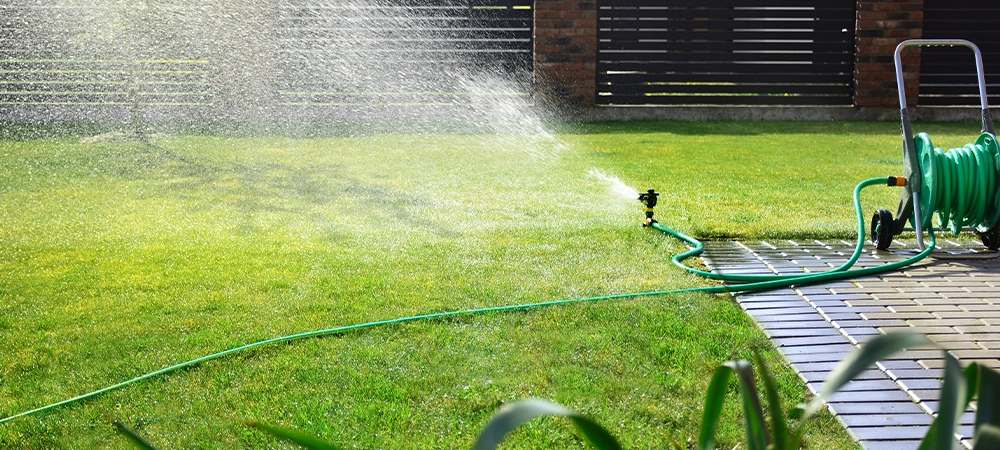
By weeks three and four, fresh sod should usually be more stable. You can often water every other day or a few times per week, depending on rainfall, sun, and soil conditions.
This is the stage where deep watering becomes more important than frequent light watering. Deep watering helps roots grow stronger and makes the lawn more resilient during dry periods.
Do not stop watering suddenly. Gradually reduce the schedule so the grass adjusts. If the lawn shows dry patches, curling edges, or a bluish-grey colour, increase watering again.
How Much Water Does Fresh Sod Need?
Fresh sod needs enough water to moisten the sod layer and the top few inches of soil. The exact amount depends on soil type, temperature, shade, slope, and drainage.
Sandy soil drains quickly and may need more frequent watering. Clay soil holds water longer and can become soggy if watered too much. Sloped lawns may need shorter watering sessions because water can run off before soaking in.
Related Article: Solving Yard Drainage Issues Before Landscaping Begins
Signs Fresh Sod Needs More Water
Fresh sod often shows stress before it turns fully brown. Watch closely during the first two weeks, especially in sunny areas.
Your sod may need more water if you notice:
- Grass turning bluish-green or grey-green
- Edges curling or pulling away
- Seams becoming more visible
- Footprints staying in the grass
- Dry, crispy corners
- Brown patches near hard surfaces
If these signs appear, water the area right away. Then check whether the sprinkler is reaching that section evenly.
Signs You Are Overwatering Fresh Sod
Overwatering can be just as damaging as underwatering. Sod roots need moisture, but they also need oxygen. When soil stays soaked, roots may not grow well.
Signs of overwatering include muddy soil, standing water, yellowing grass, a sour smell, mushrooms, or a squishy surface. If these appear, reduce watering and let the soil drain.
Do not completely stop watering unless the lawn is saturated. Fresh sod still needs moisture, but it should never sit in water for long periods.
Best Time to Water Fresh Sod
Early morning is the best time to water fresh sod. Morning watering helps the lawn prepare for heat and gives the blades time to dry during the day.
Midday watering may be needed during the first week, especially in summer. This is different from established lawn care because fresh sod has not grown deep roots yet.
Late evening watering should be limited. If the lawn stays wet overnight, disease risk can increase. Use evening watering only when the sod is drying out and needs immediate support.
How to Water Fresh Sod Evenly
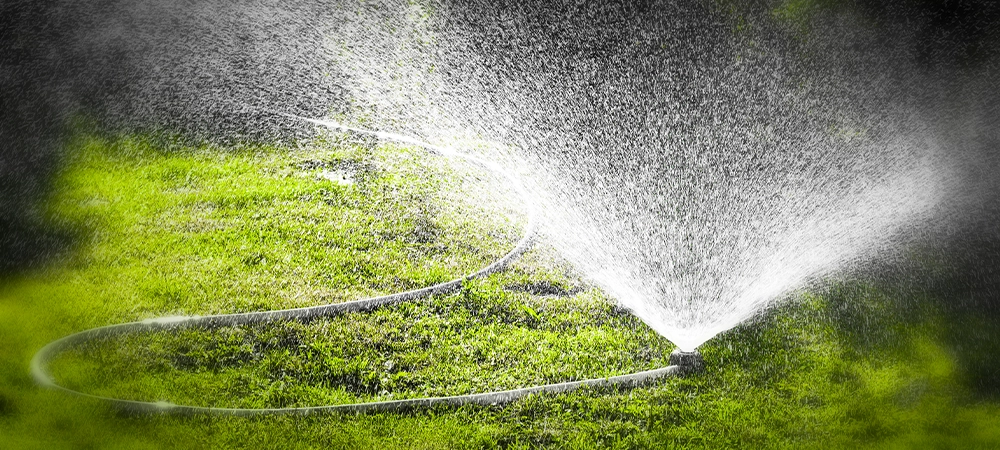
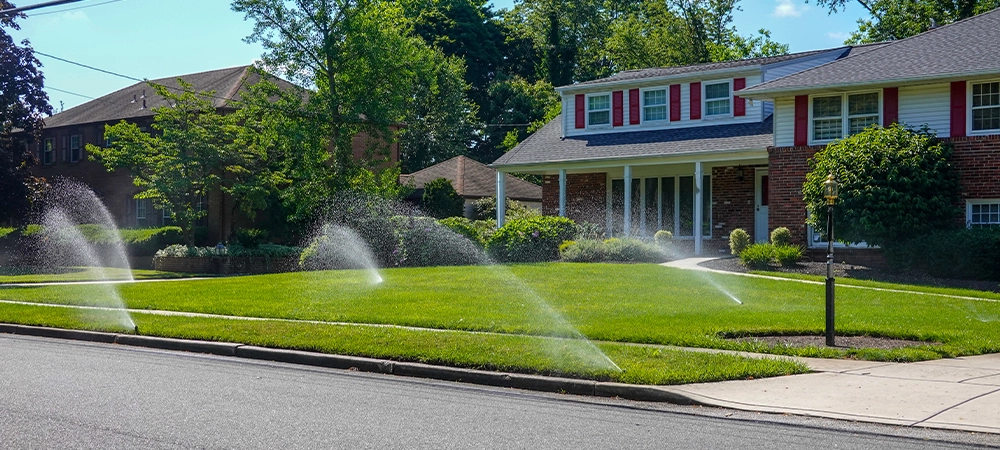
Patchy sod is often caused by uneven watering, not poor grass quality. Sprinklers can miss corners, edges, and narrow areas. They can also overwater the centre while leaving borders dry.
To test coverage, place small containers around the lawn while the sprinkler runs. If some collect much less water, adjust the sprinkler or water those areas by hand.
Use gentle water pressure. Strong streams can move sod, separate seams, or wash away soil. For sloped areas, water in shorter rounds so moisture has time to soak in.
Related Article: Should You Book Spring Landscaping Now?
Keep Your New Lawn Healthy
Fresh sod watering changes as the lawn develops. The first week is about keeping it moist. The next few weeks are about deeper watering and stronger roots. Once established, the lawn should move to deeper, less frequent watering.
If you are planning a new lawn or a larger yard upgrade, Green Side Up can help with landscaping services across the GTA and York Region.
Contact Green Side Up to plan your outdoor project and give your lawn the right start.
Frequently Asked Questions
How soon should you water fresh sod?
Water fresh sod immediately after installation. The first watering should soak through the sod and reach the soil beneath it. If the underside of the sod is still dry after watering, continue until the root zone feels evenly damp.
Should fresh sod be watered every day?
Yes, fresh sod usually needs daily watering during the first couple of weeks. During hot weather, it may need watering more than once per day. As roots grow deeper, reduce the frequency and shift to deeper watering sessions.
Can you overwater new sod?
Yes. Overwatering can leave the soil muddy, soft, and low in oxygen. This can slow root growth and increase disease risk. The sod should stay moist, but there should not be standing water or a constantly soggy surface.
Why is my fresh sod turning brown?
Fresh sod may turn brown because it is drying out, receiving uneven water, or struggling with poor soil contact. Check under the sod. If the soil is dry, water more deeply. If it is soggy, reduce watering and check drainage.
When can I mow fresh sod?
Mow fresh sod only after it has rooted and grown tall enough to cut. This often takes two to three weeks. Pull gently on the sod first. If it lifts easily, wait longer before mowing.