
Deck railings often fail long before the deck itself. Posts loosen, fasteners corrode, wood splits, and older railing styles stop meeting current safety expectations. Many homeowners assume this means the entire deck must be rebuilt.
In reality, replacing railings without rebuilding the deck is often possible. The key is understanding how railings connect to the structure, what condition the framing is in, and whether the deck can safely support a modern railing system.
This guide explains when railing replacement works, when it does not, and how to make the right decision without unnecessary demolition.
Related Article: How to Install Deck Railing for Safety and Style: Complete DIY Guide
How Deck Railings Are Typically Attached
Deck railings are not usually part of the main load-bearing structure. In most residential builds, railing posts attach to rim joists, blocking, or surface-mounted brackets rather than running through the deck frame.
Because of this separation, railings can often be removed and replaced without disturbing deck boards or framing. However, the original attachment method matters. Older decks sometimes used techniques that are no longer recommended, such as notched posts bolted through weakened rim boards.
Understanding the attachment method is the first step in determining whether replacement is realistic.
Structural Conditions That Allow Railing Replacement
Railing replacement works best when the deck frame is in good overall condition. The deck does not need to be new, but it must be stable and capable of supporting new posts that meet current load requirements.
Conditions that usually allow replacement include:
- Joists and beams show no signs of rot or soft spots
- The rim joist is intact and securely fastened
- The deck surface feels firm, with no bounce or sag
- Existing posts are surface-mounted or can be removed cleanly
When these factors are present, installers can reinforce attachment points and install new railings without touching the deck boards.
Related Article: Who Should Consider a Deck Renovation?
When Replacing Railings Alone Is Not Enough
There are situations where replacing railings without rebuilding part or all of the deck is unsafe. These cases usually involve structural weaknesses at the connection points.
Replacement may not be suitable if:
- Posts were embedded into deck boards or framing that has deteriorated
- The rim joist shows moisture damage where the posts were attached
- The deck fails current height or load standards
- Movement is visible at corners or stair connections
In these cases, installing new railings would hide deeper issues rather than fix them. Partial reconstruction or reinforcement may be required before railing work can begin.
Building Code Requirements You Cannot Ignore
Deck railings must meet current building code standards, regardless of when the deck was built. Replacing railings often triggers compliance requirements, even if the deck itself is older.
Key code elements usually include:
- Minimum railing height based on deck elevation
- Maximum spacing between balusters or infill panels
- Load resistance at posts and handrails
- Specific requirements for stair railings and guards
Older decks often fall short of these standards. Railing replacement is an opportunity to improve safety without rebuilding the deck, but only if installation meets current rules.
Related Article: Do I Need a Permit to Resurface My Deck in Toronto?
Why Post Attachment Is the Most Critical Detail
The safety of a railing system depends less on the rails themselves and more on how posts are secured. Modern railing systems rely on reinforced blocking, tension hardware, or engineered brackets to meet load requirements.
Improper attachment leads to flexing, wobbling, and long-term failure. This is why professional evaluation matters. Reinforcing attachment points may involve internal blocking or localized framing upgrades, even if the rest of the deck remains untouched.
A secure post connection protects users and extends the life of the new railing system.
Material Choices When Replacing Railings
One advantage of railing replacement is the ability to upgrade materials without rebuilding the deck. Homeowners are not limited to matching existing deck boards.
Common railing material options include:
- Pressure-treated wood for continuity with older decks
- Composite railing systems that resist moisture and fading
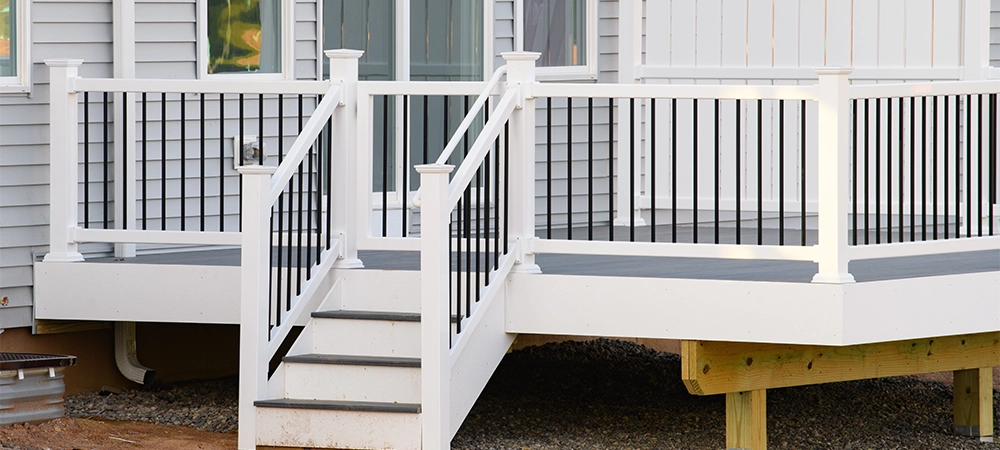
- Aluminum railings for strength and low maintenance
- Glass infill systems where permitted for unobstructed views
Each material has different attachment requirements, which is why compatibility with the existing deck frame must be confirmed before selection.
Visual and Functional Improvements Without Full Reconstruction
Railings define how a deck looks and feels. Replacing them can dramatically change the space without the cost or disruption of a rebuild.
Benefits often include:
- Improved sightlines and openness
- Updated style that matches modern homes
- Better integration with outdoor furniture and lighting
- Increased perceived value of the property
Because the deck surface remains intact, disruption is minimal, and projects often finish quickly.
Cost and Timeline Expectations
Replacing railings is usually far more cost-effective than rebuilding a deck. Labour is reduced, material use is limited, and demolition is minimal.
Most railing replacement projects:
- Take one to three days to complete
- Avoid debris removal and disposal fees
- Costs significantly less than a full deck reconstruction
For homeowners planning phased upgrades, railings are often the most efficient starting point.
Why Professional Assessment Matters
While railing replacement may seem straightforward, small mistakes can lead to safety risks or failed inspections. A professional assessment ensures the deck structure can support new railings and that installation meets code.
Green Side Up Contracting assesses decks across the Greater Toronto Area (GTA) and York Region to determine whether railing replacement is feasible or if reinforcement is required. This approach helps homeowners avoid unnecessary rebuilds while ensuring long-term safety.
Related Article: Can Decks Be Installed on Uneven Ground or Slope?
When Railing Replacement Is the Right Decision
If your deck frame is stable and the surface remains solid, replacing railings can modernize the space, improve safety, and extend the deck’s lifespan. It is a focused upgrade that delivers clear results without full reconstruction.
A Smarter Way to Improve Deck Safety and Style
Loose or outdated railings do not automatically mean your deck is finished. A professional inspection can confirm whether railing replacement is possible and identify the safest upgrade path. Addressing the issue early can prevent larger repairs later while keeping your outdoor space secure and visually updated.
Call us to book a deck and railing assessment and find out if replacement is possible without rebuilding your deck.
Frequently Asked Questions
How can I tell if my existing railing posts are load-bearing or decorative?
Railing posts are typically non-load-bearing, but some older decks rely on posts that are notched into framing in ways that affect structural integrity. A contractor checks how posts connect to joists, rim boards, and blocking to confirm whether removal will weaken the deck or if reinforcement is needed first.
Can railing replacement improve deck safety even if the deck is still structurally sound?
Yes. Many decks are structurally stable but fail modern safety expectations due to low railing height, wide baluster spacing, or weak post attachment. Replacing railings can significantly reduce fall risk without changing the deck surface or layout.
Will replacing railings expose hidden deck issues?
In some cases, yes. Removing old railings can reveal moisture damage, improper flashing, or weakened rim boards that were previously concealed. While this may add scope, identifying these issues early prevents more serious structural failure later.
Can I mix railing materials with existing deck boards?
Yes, and this is common. Aluminum or composite railings are frequently installed on wood decks. The key is ensuring compatible fasteners and proper isolation to prevent moisture transfer or corrosion at connection points.
Does railing replacement affect how snow and water drain from the deck?
It can. New post placements, base plates, or infill systems may change how water moves across the deck surface. Proper installation includes spacing and sealing details that prevent water from pooling around attachment points, especially important in Canadian winters.
Are railing upgrades recommended before selling a home?
Often, yes. Loose or non-compliant railings are red flags during home inspections. Replacing them can address safety concerns, improve visual appeal, and reduce negotiation issues without the cost of a full deck rebuild.
Can railing replacement be phased with future deck upgrades?
Absolutely. Many homeowners replace railings first, then plan deck board replacement later. This phased approach spreads the cost while ensuring that safety upgrades are addressed immediately.