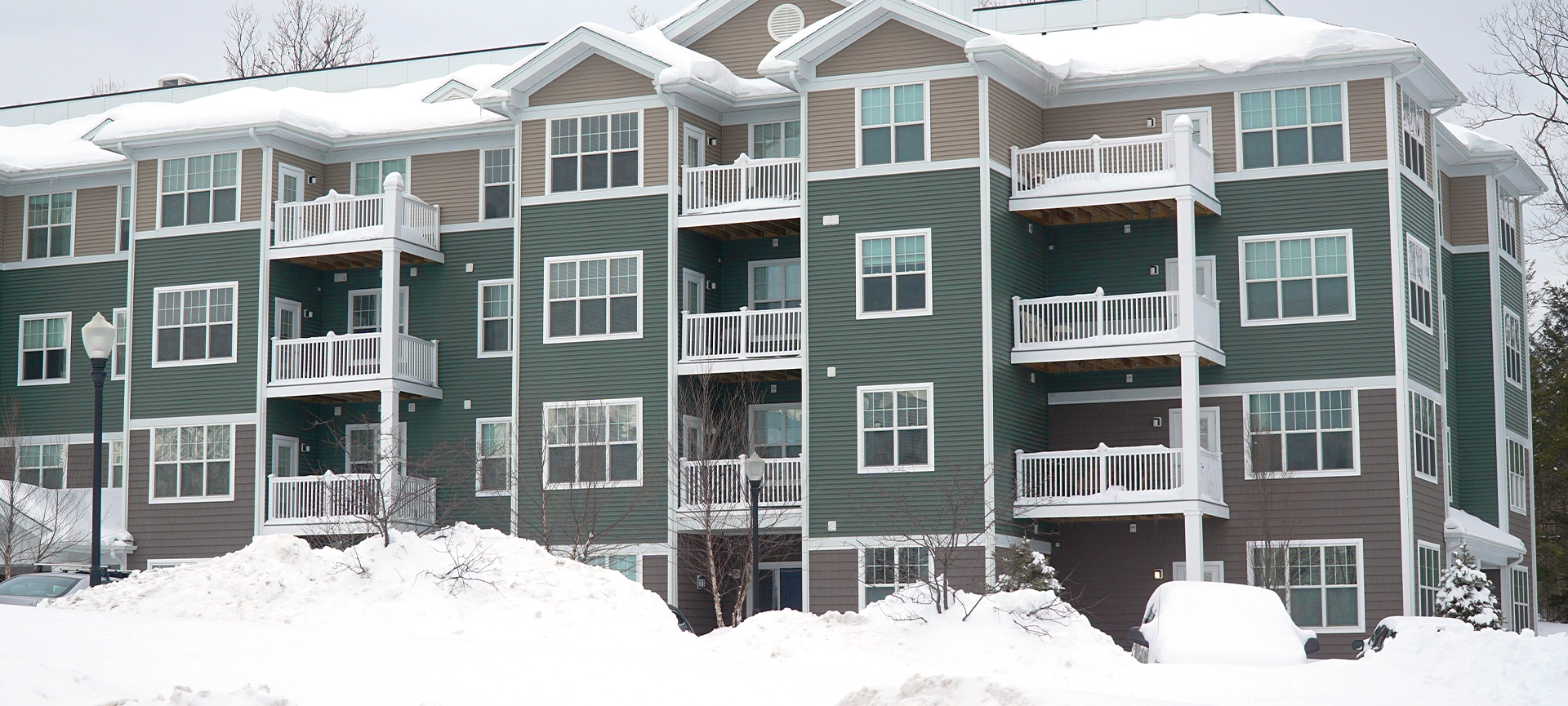

Condo boards face pressure every winter. Residents expect safe walkways, visitors rely on clear parking areas, and insurers look closely at incident history. Poor snow handling can lead to slip injuries, damaged pavement, and unexpected claims. Choosing between an internal maintenance team and a professional snow removal service shapes how well a property performs under winter conditions.
Both options can work, but they deliver different results in speed, coverage, cost control, and legal protection. Understanding those differences gives condo boards a clearer path for planning the winter season with confidence.
Condo boards that need consistent coverage across walkways, parking areas, and high-traffic entrances often benefit from commercial snow removal because the service is built for fast response and full-property safety.
Why This Decision Matters for Condo Boards
Effective snow management affects more than convenience. It shapes safety, property value, and long-term maintenance costs. Condos with reliable snow programs reduce slip hazards, avoid service disruptions, and limit the freeze–thaw damage that shortens pavement lifespan.
This is also where residents judge property care. Clean, well-managed walkways reflect strong operations and keep the community running smoothly even during severe weather.
Related Article: Who Is Liable for Ice Accidents on Commercial Walkways?
In-House Maintenance: What Condos Usually Expect
Internal teams often know the property layout well and are easy to reach. Yet winter storms demand consistency, speed, and equipment that general maintenance staff cannot always provide.
Below are the strengths and limits:
- Strengths of Using an In-House Team
In-house staff can respond quickly when on-site. They already understand the paths, entrances, underground garages, and community routines. Internal communication is simpler, and boards often like the feeling of direct control.
- Limitations That Affect Reliability
Even strong maintenance teams face constraints once snowfall begins.
- Limited manpower during peak hours – Most internal teams are small. When storms hit overnight or during consecutive days, coverage becomes inconsistent. Heavy snow often requires more hands than the team can provide.
- Basic equipment rather than high-capacity tools – Snowblowers, shovels, or small tractors can only clear so much before slowing down. Deep snow or freezing rain often outpaces their workload.
- Unpredictable response times – Staff may be off shift, sick, or handling other tasks. This creates lag, which increases slip incidents and parking disruption.
- Higher long-term repair costs – Without industry-grade de-icing materials and precise application, ice bonds quickly to pavement. This raises the risk of cracks, surface damage, and early replacement.
- Limited documentation for insurance claims – Most internal teams do not maintain service logs with timestamps, weather triggers, or material usage. Lack of records makes claims harder to defend.
Related Article: What’s the Difference Between Snow Plow, Shovel, and Ice Control?
Contracting a Professional Snow Removal Service
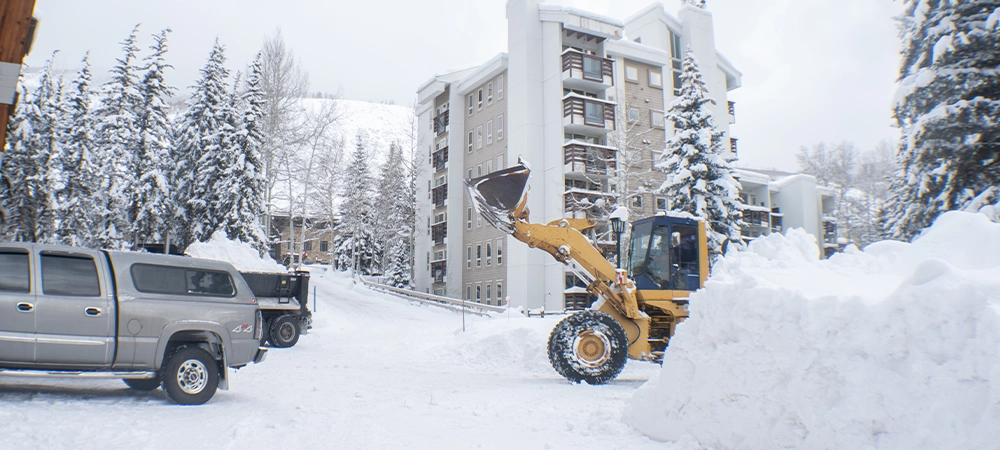
Professional crews bring dedicated winter systems: 24/7 monitoring, large equipment, fast response, and detailed reporting. For condos with high resident traffic, this level of support maintains safer surfaces throughout the season.
Strengths of Hiring a Professional Team
- Faster response during all storm cycles – Professional crews monitor weather around the clock. They pre-treat surfaces before storms, clear snow during active accumulation, and return for refreezing checks.
- Specialized equipment for every surface – Loaders, plows, salters, and walk-behind machines work together to cover large condo areas efficiently. This reduces service delays and prevents uneven clearing.
- Consistent service for the full winter season – Even during back-to-back storms, professional teams scale up their crews without compromising coverage.
- Better ice management for fewer slip incidents – Industry-grade de-icing materials are applied based on temperature, surface condition, and incoming weather.
- Detailed documentation for legal protection – Pros record every visit, treatment, and weather trigger. These logs support insurance claims and protect the condo corporation against liability.
Considerations When Hiring a Snow Removal Contractor
The main considerations are cost planning and contract terms. Seasonal contracts create predictable budgeting, while per-visit arrangements provide flexibility. Choosing a reliable contractor with a strong track record prevents service interruptions.
Related Article: Emergency Snow Removal Pricing: What Businesses in Toronto Should Expect
Side-by-Side Comparison for Condo Boards
| Factor | In-House Maintenance | Professional Snow Removal |
|---|---|---|
| Response Time | Dependent on staff availability | 24/7 monitoring and dispatch |
| Equipment | Basic tools; limited load capacity | Full fleet for heavy and light snow |
| Ice Control | Minimal materials and methods | Precision salting and weather-based treatment |
| Liability Protection | Limited documentation | Full logs support claims |
| Long-Term Pavement Care | Higher repair risk | Better ice management reduces damage |
| Budget Predictability | Harder to forecast | Seasonal contracts available |
| Storm Cycle Coverage | May struggle in heavy storms | Reliable during long or frequent storms |
When Each Option Makes Sense
Choosing between internal maintenance and a professional snow service depends on the condo’s size, winter activity level, and the level of risk the board is prepared to manage.
The points below outline when each approach delivers reliable results.
In-House Works Best When
In-house teams still have a place, especially for condos with simpler layouts or predictable winter conditions. These situations make internal coverage more realistic:
- The condo has light foot traffic – Smaller buildings or communities with fewer daily visitors can manage with slower clearing since surfaces do not need constant attention.
- Winter severity is moderate – If the area sees light snow and fewer freeze–thaw cycles, basic tools and smaller teams can keep up with demand without major disruptions.
- Staff is trained and consistently available during storms – Internal teams must be willing to work outside regular hours. If the condo has reliable personnel who can respond during early mornings or overnight events, in-house service may still run efficiently.
- The board accepts slower response times and occasional delays – Internal maintenance works for boards prioritizing cost savings over rapid turnaround. This approach suits properties that can tolerate a short waiting period before walkways and parking areas are fully cleared.
Professional Service Works Best When
Larger, more active condo communities benefit from the structure, speed, and technology that professional providers bring.
These conditions make a contracted team the stronger option:
- Safety expectations are high – Buildings with seniors, children, or high resident turnover need walkways and ramps cleared quickly. Professional ice control reduces slip hazards and supports community safety standards.
- The condo has seniors, families, or frequent visitors – High foot traffic requires reliable clearing at all hours. Pros maintain predictable coverage that matches the needs of a busy residential environment.
- There are multiple walkways, garages, and parking areas – Larger properties require heavy equipment, coordinated crews, and efficient routes. A professional team handles this scale without slowing down.
- Winter storms hit often and unpredictably – Contractors monitor weather around the clock. They can start pre-salting before storms, return during active snowfall, and complete post-storm checks to stop refreezing from creating new hazards.
- Liability protection is a priority – Professional crews document every visit, material application, and weather trigger. This record becomes essential when defending insurance claims or addressing resident concerns.
Related Article: Commercial Snow Removal Costs in Toronto: Per-Visit Breakdown
How Condo Boards Can Move Forward Confidently
Choosing between an internal maintenance team and a professional snow service depends on the condo’s size, layout, and tolerance for winter risks. Internal teams can manage light snow, but heavy storms, ice cycles, and liability concerns often demand a higher level of support. Partnering with a qualified provider keeps residents safe, protects pavement, and strengthens insurance defence.
If your condo needs dependable winter coverage, Green Side Up Contracting delivers fast response, complete documentation, and professional-grade equipment for safe winter operations. Request your condo snow removal quote today.
Frequently Asked Questions
How often should a condo be cleared during a storm?
Most condos require clearing before, during, and after major accumulation. Storm cycles often need multiple visits to prevent buildup and refreezing.
Is pre-salting necessary for condo properties?
Yes. Pre-salting prevents ice from bonding to pavement. This makes shovelling and plowing more effective and reduces slip risk.
Are condos responsible for slip-and-fall injuries?
In many cases, yes. If snow and ice are not managed properly, the condo corporation may be held liable. Documentation helps defend claims.
How early should a condo sign a snow removal contract?
Most contractors fill their routes by early fall. Securing a contract before October ensures priority service when snow starts.
Can a condo use both in-house staff and a contractor?
Yes. Many buildings use internal staff for spot checks and a professional team for full storm coverage, plowing, and de-icing.
What type of equipment do professional crews use for condos?
They use plow trucks, skid steers, salters, blowers, and walk-behind machines for walkways, garages, and narrow paths.