
Timing matters when it comes to permit drawings in Ontario. While many homeowners assume drawings should happen just before construction starts, the reality is different. Permit drawings are a planning tool, not a seasonal task tied to weather or ground conditions.
The best time for permit drawings is when decisions can be made calmly, details can be reviewed properly, and approvals can move forward without pressure. For many projects, that window arrives earlier than expected.
Below is a clear breakdown of when permit drawings should begin, why timing affects approvals, and how early planning can prevent delays and redesigns.
Related Article: Do I Need Permit to Resurface My Deck in Toronto?
What Permit Drawings Are Really For
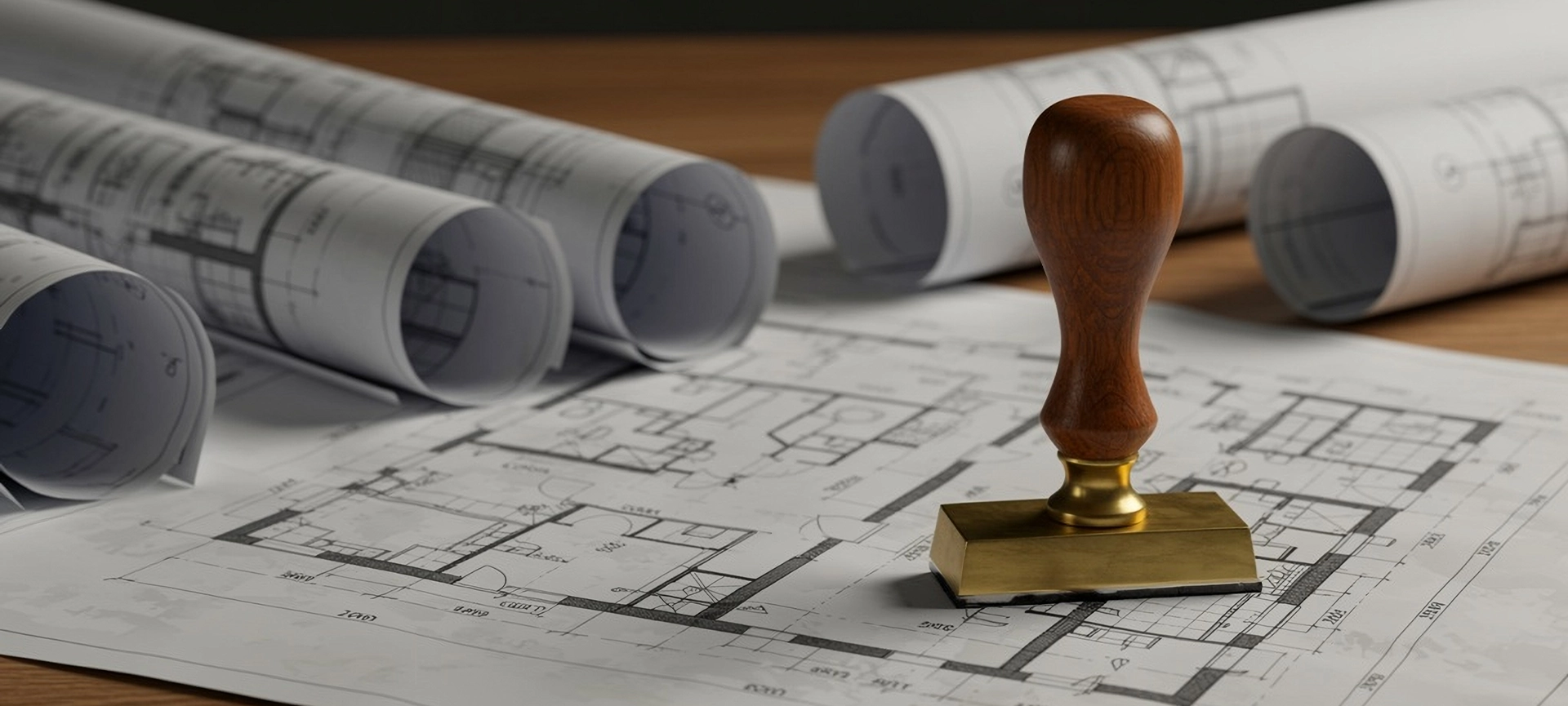
Permit drawings are technical plans submitted to municipal authorities to confirm that a project meets zoning, building code, and safety requirements. They are not decorative concepts. They show how a project will be built and how it fits within local regulations.
Typical permit drawings include:
- Dimensions and setbacks
- Structural details and footing depths
- Drainage and grading plans
- Materials and construction notes
- Utility layouts where applicable
Because these drawings focus on compliance and structure, they can be prepared well before construction begins.
Related Article: How Deep Should Footings Be in Fall?
The Ideal Timeframe For Permit Drawings
The best time for permit drawings is before demand peaks and before schedules become tight. This usually means starting earlier than most homeowners expect.
Early Planning Offers the Most Flexibility
Preparing drawings early allows time for revisions, engineering input, and zoning checks without rushing decisions. When drawings are done under time pressure, mistakes and omissions are more likely.
Permit Reviews Take Longer Than Expected
Municipal review timelines are rarely immediate. Even straightforward applications can take weeks once revisions and clarifications are factored in. Starting early prevents permit approval in Ontario from becoming the bottleneck that delays the entire project.
Construction Schedules Depend on Approvals
Contractors cannot start work without approved permits. When drawings are completed early, construction can be scheduled as soon as conditions allow rather than waiting in line behind approvals.
Related Article: Building Permits: What You Need to Know Before Starting Your Project

Seasonal Timing and Why It Matters
Although permit drawings can be prepared year-round, timing still affects how smoothly the process runs.
Winter and Early Planning Periods
Late fall and winter are often ideal for permit drawings. Submission volumes are lower, and there is more time to address feedback before spring demand increases. This is especially helpful for outdoor and landscaping construction projects.
Spring and Summer Pressure
Spring brings a surge in applications for decks, fences, patios, and grading work. Designers, engineers, and permit offices are busier, which can extend timelines. Starting drawings during this period often means competing with higher demand.
Projects That Benefit Most From Early Permit Drawings
Certain projects gain the most value from early permit preparation because they involve structural review, drainage planning, or coordination across multiple trades.
Decks and Elevated Structures
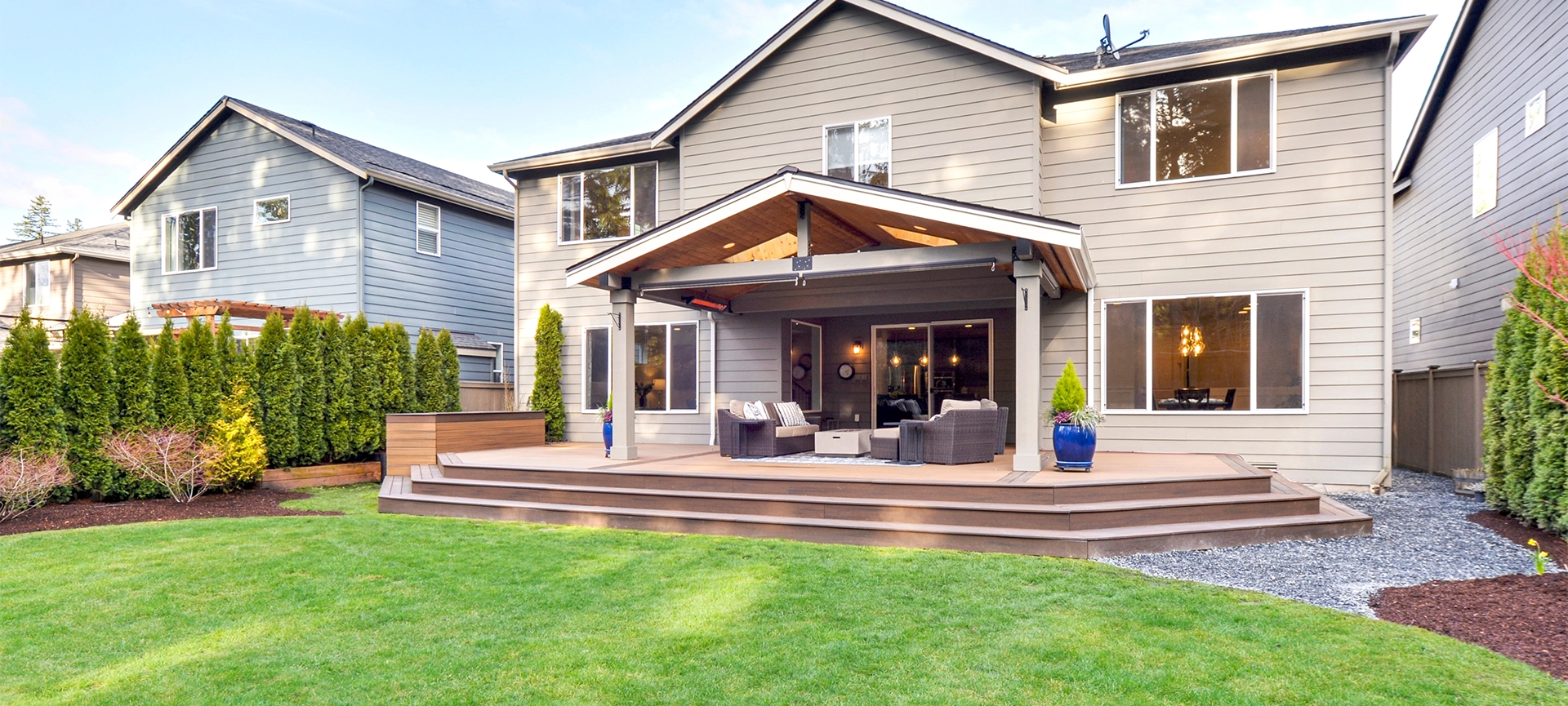
Deck construction often requires setback checks, structural review, and sometimes engineering approval. Early drawings allow time to confirm footing depth, guard requirements, and attachment details before construction schedules fill up.
Retaining Walls and Grading Plans
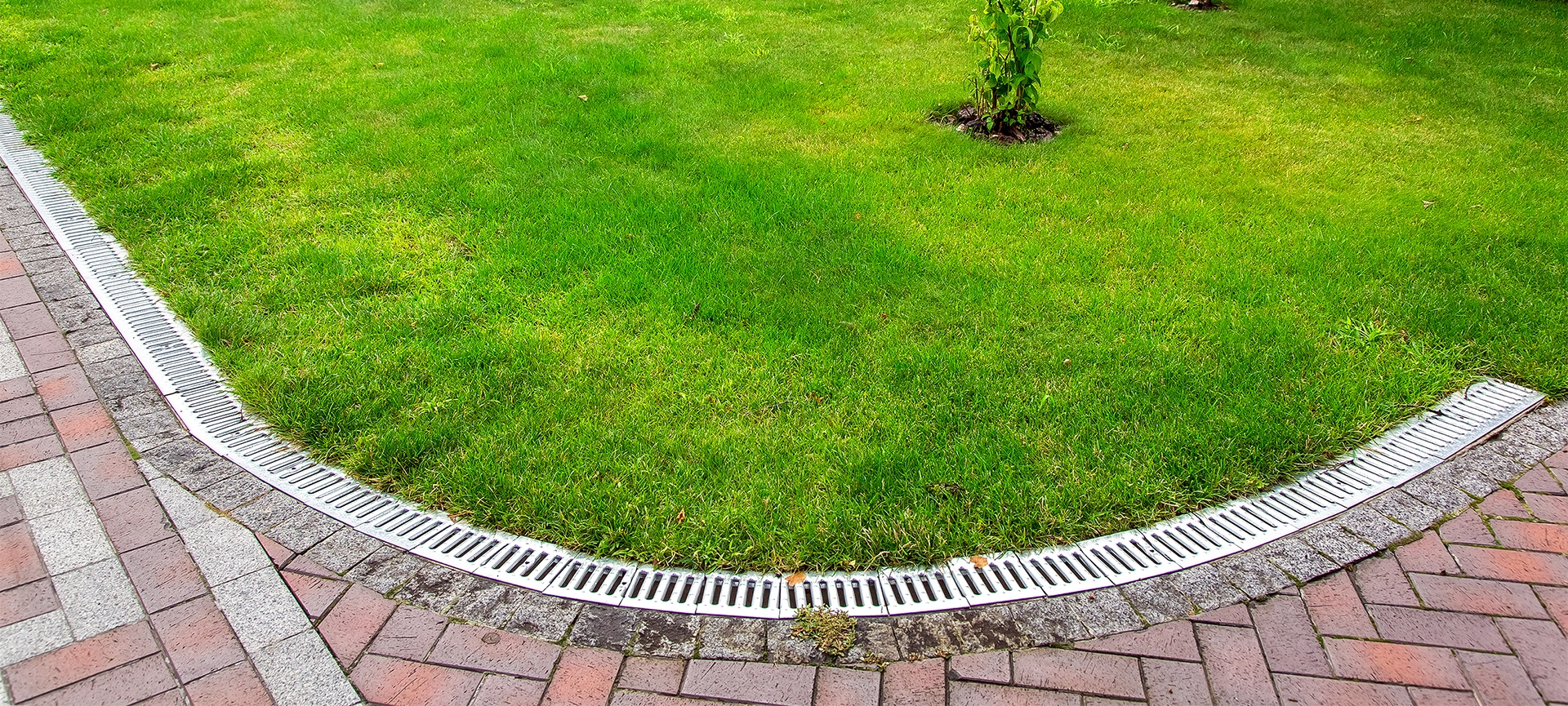
Grading and retaining walls affect drainage and soil stability. Early permit drawings help identify elevation changes and runoff management needs before ground conditions change, reducing the risk of redesigns later.
Outdoor Kitchens and Fire Features
Outdoor kitchens and fire features combine utilities, structural elements, and surface finishes, which means multiple requirements must align from the start. Completing drawings early allows gas routing, electrical layouts, ventilation, and fire clearance requirements to be reviewed together, reducing the risk of design conflicts and costly changes once construction is underway.
Fencing and Privacy Structures
Fence permits still require zoning checks for height, placement, and property lines. Preparing drawings for fencing early helps avoid disputes, stop-work issues, and last-minute changes during installation season.
Municipal Review Timelines and Approval Flow
Permit offices operate year-round, but review timelines depend on submission volume, staffing, and application complexity.
During quieter periods, applications may move through initial review faster. However, holiday schedules, reduced staffing, or multi-department reviews can still affect timelines. Complex projects involving zoning variances or engineering review will take longer, regardless of the season.
Submitting permit drawings early allows time to respond to comments, revise plans, and secure approval without disrupting construction plans. It also helps avoid the spring surge, when permit queues grow quickly.
Cost and Project Control Benefits
Early permit drawings in Ontario support better cost control. When plans are finalized ahead of time, material quantities, scope, and construction methods are clearer. This reduces change orders and prevents budget creep caused by rushed decisions.
Early planning also allows homeowners to phase projects logically, prioritize features, and align work with seasonal installation windows.

Working With Experienced Professionals
Permit drawings are most effective when they reflect how a project will actually be built. Experienced contractors understand how municipal requirements translate into real construction details.
Green Side Up Contracting prepares permit-ready drawings that align with local bylaws, site conditions, and construction realities. Our approach helps reduce revisions and keeps projects moving from approval to build without unnecessary delays.
Planning Ahead Makes the Difference
The best time for permit drawings is before urgency sets in. Early preparation allows clearer decisions, smoother approvals, and better control over timelines and costs.
If you are considering a deck, fence, outdoor kitchen, or landscaping construction project, starting permit drawings early gives you flexibility and peace of mind. Reviewing requirements and preparing plans now can save weeks or months once construction season arrives.
Reach out to us today for all permit matters in the Greater Toronto Area.
Frequently Asked Questions
How far in advance should permit drawings be started?
Permit drawings should ideally begin three to six months before your intended construction start date. This buffer allows time for design coordination, municipal review, revisions, and any required engineering input. Starting early also helps avoid delays caused by seasonal permit backlogs or contractor availability issues once approvals are granted.
Can permit drawings change after approval?
Yes, but changes often require resubmission or amendment approval. Even minor adjustments such as size increases, layout changes, or material substitutions can trigger additional review. Finalizing design decisions during the drawing phase helps prevent costly revisions and timeline disruptions once permits are issued.
Do permit drawings lock you into a specific contractor?
No. Permit drawings can be prepared independently of construction, but involving a contractor early improves accuracy. Contractors help ensure the drawings reflect practical build methods, realistic costs, and site conditions. This reduces the risk of approvals that look correct on paper but create issues during construction.
What typically causes delays during permit review?
Common delays include missing measurements, unclear grading details, incorrect setback information, and incomplete structural notes. Applications that require zoning variances or engineering sign-off also take longer. Well-prepared drawings submitted early reduce back-and-forth requests from municipal reviewers.
Is it risky to start permit drawings before final budgeting?
Starting drawings early actually supports better budgeting. Permit-ready plans clarify scope, materials, and construction methods, which makes cost estimates more accurate. Budget adjustments are easier to manage during the planning phase than after permits are issued or construction has started.
Are digital submissions faster than paper applications?
In many municipalities, yes. Online submission portals often speed up intake and communication, especially for revision requests. However, timelines still depend on review volume and application complexity. Understanding your municipality’s submission process helps set realistic expectations.
Can permit drawings cover future project phases?
They can. Some homeowners choose to permit projects in stages, while others submit drawings that anticipate future additions. Planning this early helps ensure current work does not limit future upgrades or require unnecessary rework later.