
The off-season is the smartest time to plan pool upgrades. Contractors have more availability, design decisions feel less rushed, and installation can be completed before peak swim season arrives. For homeowners across the Greater Toronto Area, winter planning means fewer delays, clearer budgeting, and a pool that is ready the moment temperatures rise.
At Green Side Up Contracting, off-season planning is often where the best pool transformations begin. Thoughtful upgrades completed ahead of spring help extend the lifespan of your pool, improve safety, and reduce long-term maintenance costs.
Why the Off-Season Is Ideal for Pool Upgrades
Planning pool upgrades during fall and winter gives homeowners practical advantages that are easy to overlook.
First, scheduling is easier. Builders, electricians, and landscapers can coordinate timelines without the congestion of summer demand. Second, inspections and permitting tend to move faster outside peak construction months. Third, you have time to assess how your pool performed during the last season and fix issues before they worsen.
Off-season upgrades also allow surrounding landscaping, fencing, and decking to be planned as one cohesive project rather than rushed add-ons later.
Modern Pool Heating Systems
A reliable heating system can significantly extend your swimming season in Ontario’s climate. Cold nights and unpredictable spring weather often limit pool use, even when daytime temperatures feel comfortable.
A well-planned heating upgrade keeps water temperatures consistent, improves comfort, and reduces the temptation to rush installations once summer demand spikes.
Heat Pumps
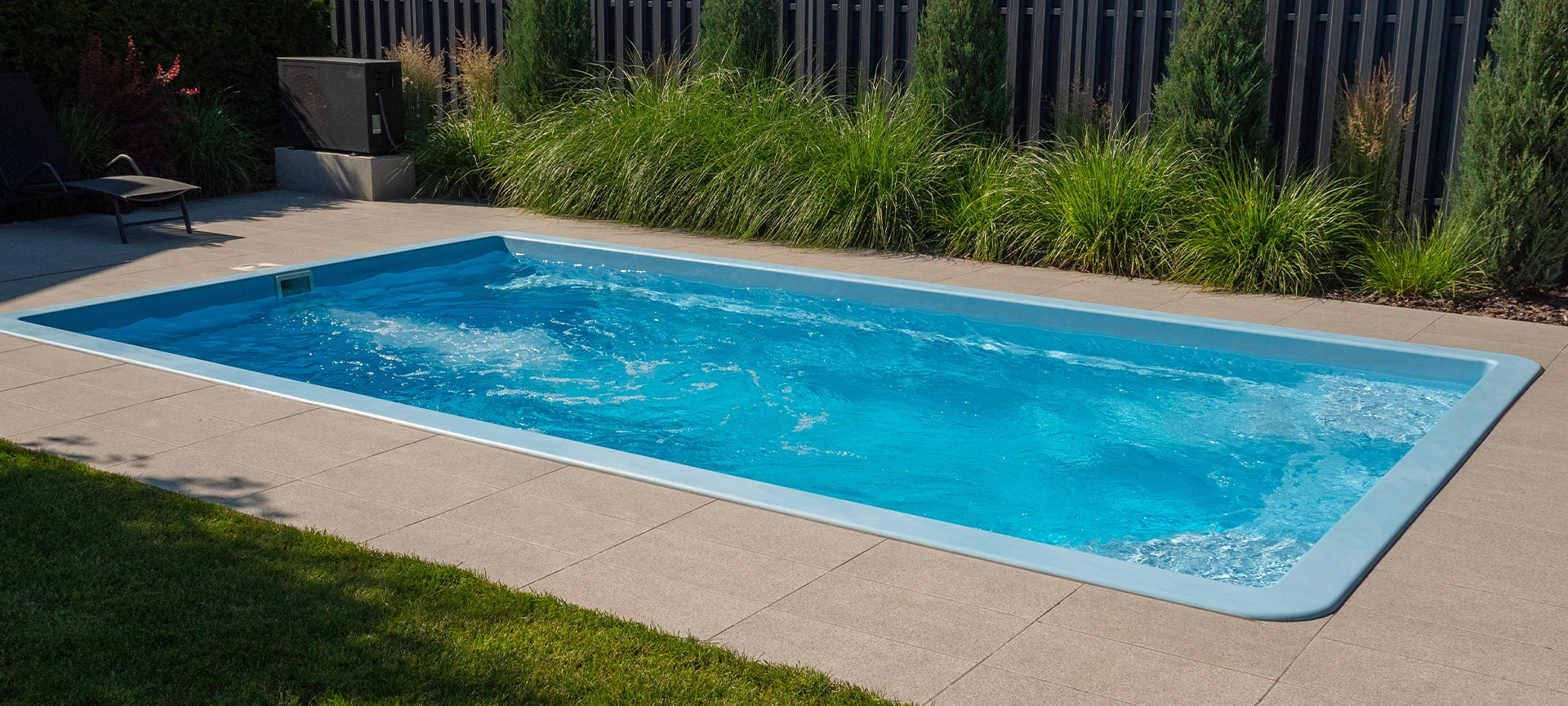
Heat pumps draw warmth from the surrounding air and transfer it to the pool water. They work best in moderate temperatures and are known for steady, efficient performance rather than rapid heating.
While the upfront cost is higher than some alternatives, heat pumps deliver lower operating costs over time and are well-suited for homeowners who use their pool regularly throughout the season.
Gas Heaters
Gas heaters warm pool water quickly, making them a strong option for pools used intermittently or during short weather windows. They perform reliably even during cooler conditions and allow precise temperature control.
Although operating costs are typically higher, the speed and flexibility of gas heating appeal to homeowners who want instant results.
Solar Heating Options
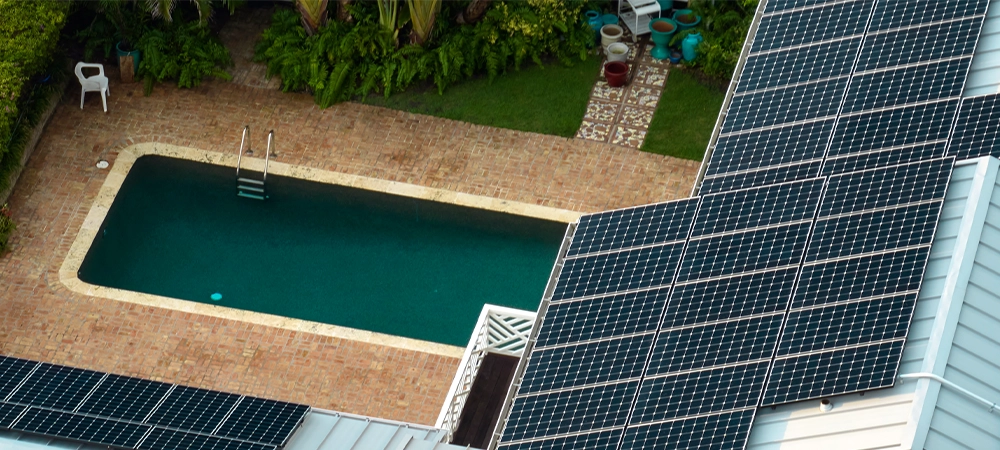
Solar heating systems use roof- or ground-mounted panels to supplement water temperature using renewable energy. These systems work best when paired with a primary heater, helping reduce energy use during sunny periods. While performance depends on exposure and weather, solar options can lower long-term heating costs and support more sustainable pool operation.
Energy-Efficient Pool Equipment
Outdated pool equipment often runs longer and harder than necessary, driving up energy use and maintenance costs. Upgrading to modern, energy-efficient systems improves day-to-day performance while lowering utility bills over the life of the pool.
Variable-Speed Pumps
Variable-speed pumps adjust their output based on demand rather than operating at a constant high speed. This controlled operation reduces electricity use, limits wear on internal components, and keeps noise levels low. Many homeowners see noticeable savings after switching, especially during filtration cycles that do not require full power.
Advanced Filtration Systems
Newer filtration systems are designed to capture finer debris while using less water during cleaning cycles. Improved efficiency means clearer water, fewer chemical adjustments, and reduced backwashing. Over time, this translates to lower water waste and less hands-on maintenance.
Automated Pool Controls
Automated control systems centralize pool operations into a single interface accessible by phone or tablet. Homeowners can schedule filtration, heating, and lighting with precision rather than relying on manual adjustments. Automation also highlights performance issues early, helping prevent energy loss and equipment strain before problems escalate.
Upgrading energy-efficient pool equipment during the off-season creates a smoother installation process and ensures systems are calibrated and ready before peak swimming months begin.
Pool Lighting Upgrades
Lighting improves both safety and visual appeal, especially for evening use.
LED Pool Lights
LED fixtures last longer than traditional bulbs and consume less power. Colour-changing options allow lighting to shift with mood or occasion.
Pathway and Perimeter Lighting
Adding lighting around the pool deck improves visibility and reduces slip risks at night. Planning lighting in the off-season allows wiring and fixture placement to be integrated cleanly into the surrounding landscape.
Pool Deck and Surround Enhancements
The area around your pool affects safety, comfort, and overall enjoyment.
Composite Decking
Composite decking materials resist moisture, fading, and splintering. They are low-maintenance and ideal for wet environments.
Surface Resurfacing
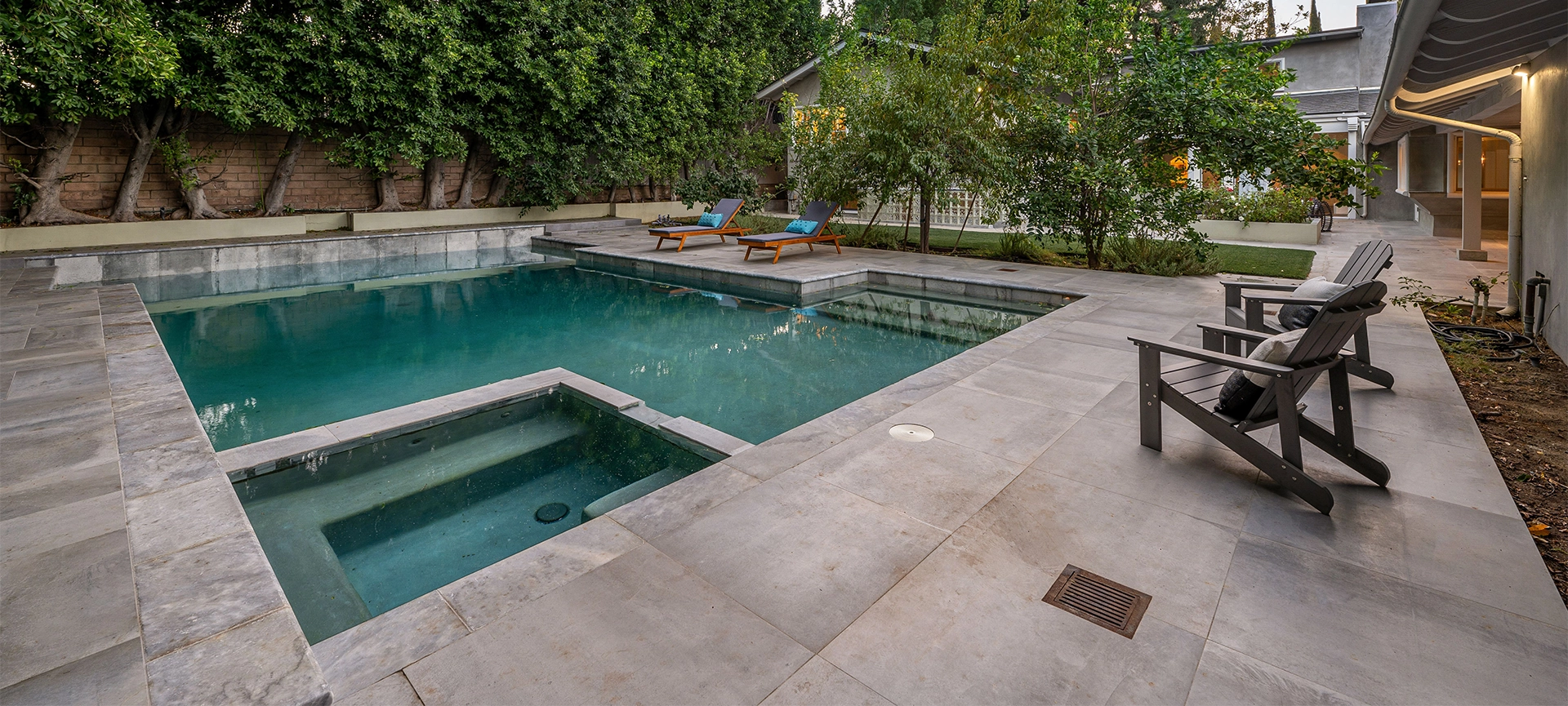
Resurfacing concrete or stone decks improves traction and refreshes appearance without full replacement.
Integrated Seating and Shade
Built-in benches, pergolas, or privacy screens create defined zones for lounging and entertaining.
Deck upgrades are best completed before spring, so materials have time to settle properly.
Pool Safety and Code Compliance Upgrades
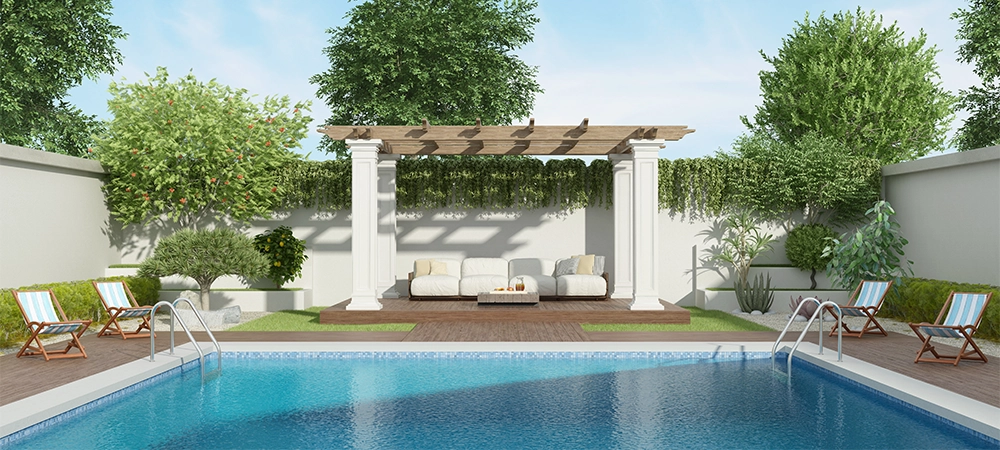
Pool safety upgrades focus on protecting people while keeping your pool compliant with Ontario regulations. Fencing, gates, and covers are not optional features; they are required safeguards designed to control access and reduce risk. Local bylaws can change, and older pools often fall out of compliance without homeowners realizing it.
Updated Pool Fencing
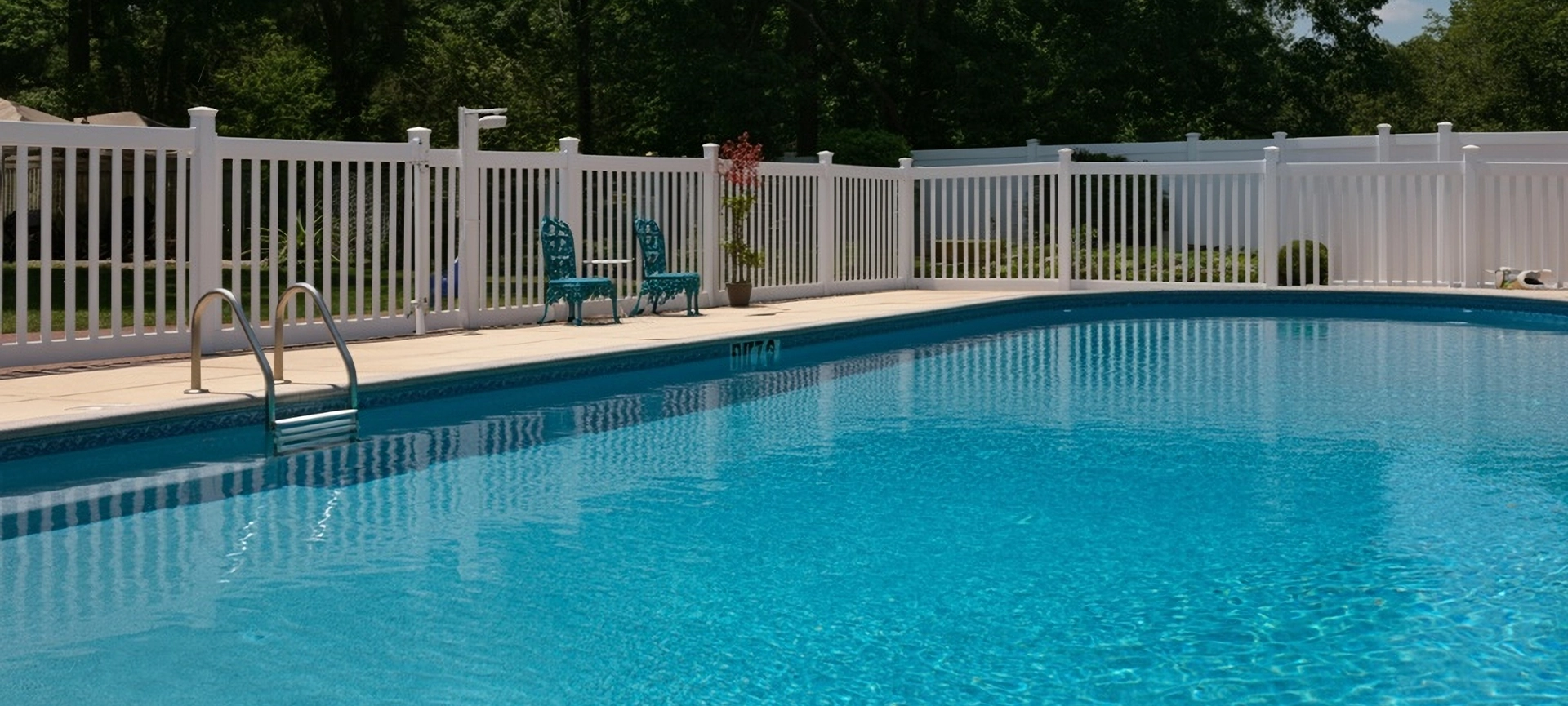
Modern pool fencing is designed to meet safety requirements without making the yard feel closed off. Aluminum fencing offers strength and durability with minimal maintenance, while glass panels preserve clear sightlines for easier supervision. Composite options provide added privacy and weather resistance.
Proper height, spacing, and secure installation are essential to meet local standards and prevent unauthorized access.
Self-Closing Gates
Self-closing and self-latching gates are a key safety requirement in many municipalities. These gates are designed to close automatically every time, reducing the chance of accidental entry by children or pets. When installed correctly, they maintain controlled access without constant manual checks.
Safety Covers
Safety covers protect the pool during the off months by preventing debris buildup and limiting access when the pool is not in use. High-quality covers are engineered to support weight, resist weather damage, and reduce spring cleanup time. They also help preserve water quality and protect internal components.
Water Features and Aesthetic Enhancements
Water features and visual upgrades help a pool feel intentional rather than purely functional. These improvements add character, improve the overall flow of the backyard, and create a space that feels finished. Planning aesthetic upgrades in the off-season allows design details to be coordinated with surrounding decks, fencing, and landscaping for a cohesive result.
Waterfalls and Sheer Descents
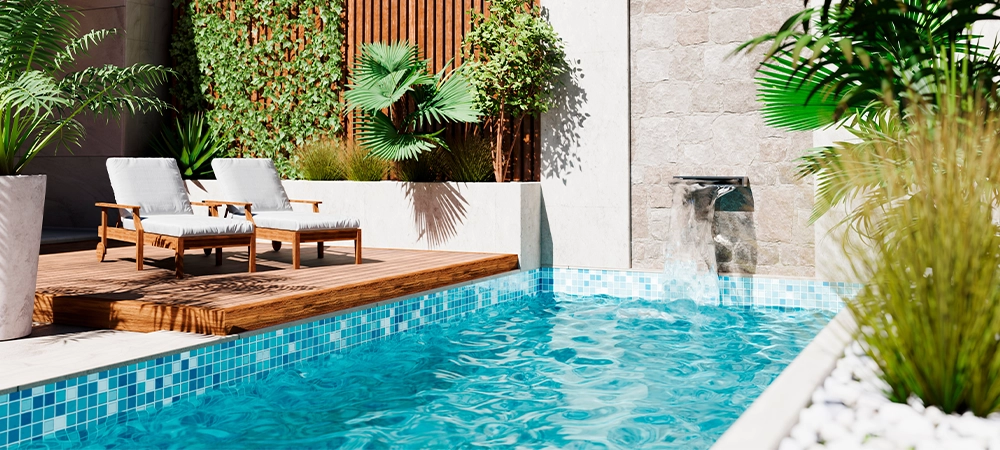
Water features introduce movement and soft sound that enhance the pool environment. Waterfalls create a natural focal point, while sheer descents offer a clean, modern look. Both options improve circulation and add visual depth without overwhelming the space.
Upgraded Tile and Finishes
Replacing coping or waterline tile refreshes the pool’s appearance while protecting exposed edges from wear and moisture damage. Modern finishes offer improved durability, better slip resistance, and colours that complement surrounding materials.
Integrated Landscaping
Landscaping connects the pool to the rest of the yard. Thoughtful planting, stone accents, and privacy fencing define the space, soften hard surfaces, and improve usability. When planned together, these elements create a balanced outdoor area that feels natural and well-structured.
Planning Pool Upgrades With Long-Term Value in Mind
Off-season planning allows homeowners to think beyond short-term trends. The best upgrades improve durability, safety, and energy use while enhancing daily enjoyment.
Working with experienced outdoor contractors helps align pool restoration and upgrades with decking, fencing, and landscaping plans. Coordinated projects reduce disruptions and create a finished space that feels intentional.
A Smart Time to Start Your Pool Project
Planning pool upgrades in the off-season leads to smoother builds and better outcomes. With proper design and early scheduling, your pool can be ready for use as soon as warm weather arrives.
Book a consultation with Green Side Up Contracting to discuss off-season pool upgrades, surrounding decks, fencing, and landscape improvements. Early planning ensures your backyard is ready before summer demand peaks.
Frequently Asked Questions
Can pool upgrades be installed during winter in Ontario?
Many upgrades can be prepared or partially installed during winter, including electrical work, design planning, and material staging. Final installations are often completed as temperatures rise.
Are off-season pool upgrades more affordable?
While material costs remain similar, off-season scheduling often reduces labour delays and helps avoid premium summer timelines.
Do pool upgrades require permits in the GTA?
Some upgrades, such as fencing or electrical changes, may require permits. Planning early allows time for approvals without delaying summer use.
How long do pool equipment upgrades typically take?
Most equipment upgrades take one to three days once installation begins, depending on system complexity.
Can pool deck upgrades be completed alongside pool improvements?
Yes. Coordinating deck, fencing, and pool upgrades together often results in better alignment and fewer disruptions.
Should safety upgrades be prioritized over aesthetic upgrades?
Safety upgrades should always come first. Aesthetic improvements can be layered once compliance and protection measures are addressed.