
Opening your pool before summer is more than pulling back the cover and turning on the pump. A proper pre-summer pool opening protects the liner, equipment, water quality, surrounding hardscape, and the safety of everyone using the space.
If the pool has been closed for months, small issues can hide under the cover. Debris settles. Water chemistry shifts. Freeze-thaw movement may affect patios, coping, or nearby drainage. Taking the right steps early gives you time to fix problems before the first hot weekend arrives.
This checklist walks through what to inspect, clean, test, and prepare if you need pool restoration so your pool area is ready for the season.
Related Article: Top Pool Upgrades to Plan in Off-Season
Start With the Pool Area
Before touching the cover, look at the whole pool zone. The ground around the pool can tell you a lot about how winter treated the space.
Check for loose patio stones, sunken pavers, cracked coping, damaged retaining edges, and drainage problems near the pool. These areas matter because water should move away from the pool, house, and outdoor living areas. If rainwater collects around the pool deck, it can create slippery surfaces and long-term structural issues.
Look closely at:
- Pool coping and border stones
- Patio slabs, pavers, or concrete surfaces
- Steps, railings, gates, and fences
- Nearby planting beds and retaining walls
- Drainage channels or low spots
- Outdoor lighting near the pool
Fixing surface hazards before swim season starts is safer than working around furniture, foot traffic, and open water later.
Related Article: Backyard Prep for Pool Installation: Your Step-by-Step Guide
Remove and Clean the Pool Cover Carefully
A winter pool cover can hold leaves, branches, standing water, and dirt. Do not dump that debris into the pool. It adds more cleaning work and can affect water quality from the start.
Use a cover pump to remove standing water. Sweep or blow off leaves and loose debris before lifting the cover. Work slowly with another person if the cover is large, especially if it has become heavy over winter.
Once removed, lay the cover flat in a clean area. Rinse it well, let it dry, and inspect it for tears, worn straps, or weak seams. A damaged cover might survive storage but fail next winter.
Store the cover somewhere dry and protected. Avoid folding it while damp because trapped moisture can cause mildew and unpleasant odours.
Inspect the Pool Before Filling or Running Equipment
Once the cover is off, take a few minutes to inspect the pool shell or liner. This step is easy to rush, but it can save you from bigger repair costs.
For vinyl pools, look for wrinkles, tears, fading, brittle sections, or loose fittings. For concrete or fiberglass pools, check for cracks, staining, rough patches, or movement near corners and steps.
Also inspect:
- Skimmer openings
- Return jets
- Main drain covers
- Pool lights
- Ladders and handrails
- Steps and benches
- Tile lines or waterline edges
If the water level drops more than expected during winter, there may be a leak. Some evaporation is normal, but a major drop deserves attention before the system runs for long periods.
Reconnect and Check the Equipment
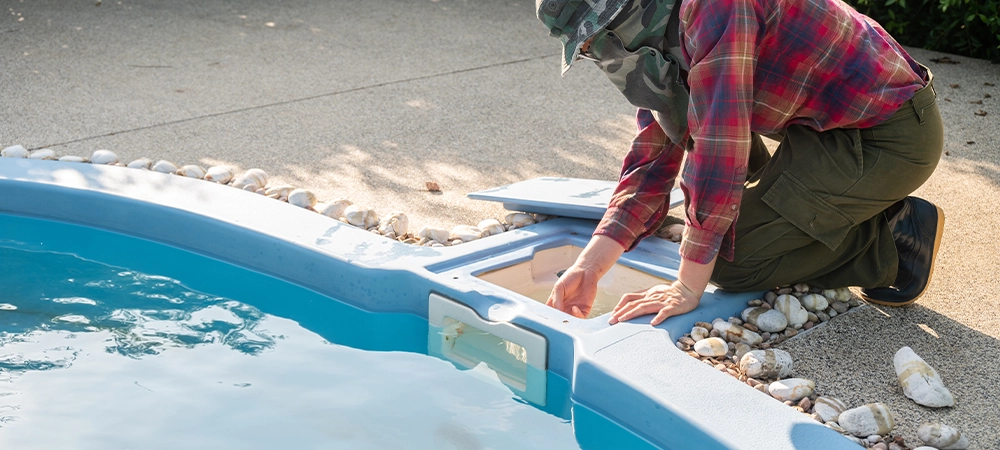
Your pump, filter, heater, valves, chlorinator, and plumbing need a careful start-up after sitting unused.
Reconnect plugs, hoses, fittings, gauges, drain caps, and unions according to the system setup. Make sure O-rings are clean and seated properly. A dry or cracked O-ring can cause leaks or air to enter the system.
Before turning anything on, check that valves are open in the correct direction. Confirm that the pump basket is clean and filled with water so the pump does not run dry.
Watch the system during the first start-up. Listen for grinding, screeching, air sucking, or heavy vibration. Look for leaks around the pump, filter tank, heater connections, and visible plumbing.
A few minutes of close observation can catch problems early. If something sounds wrong, shut the system off and have it checked.
Clean the Pool in the Right Order
Pool cleaning is more effective when done in stages. Start with large debris, then move to finer cleaning.
Use a leaf net or skimmer to remove branches, leaves, and anything floating or sitting on the floor. Brush the pool walls, corners, steps, and waterline to loosen dirt and algae. Then vacuum the pool slowly, especially if the bottom is cloudy or covered in fine debris.
Clean the skimmer basket and pump basket often during this stage. Heavy spring debris can fill them quickly and reduce circulation.
If the water is very dirty, vacuuming the waste may be needed, depending on your filter system. This sends debris out of the pool instead of pushing it through the filter.
Test and Balance the Water
Clear water does not always mean safe water. Pool water needs a proper chemical balance before regular swimming begins.
Start with a full water test. Check pH, alkalinity, calcium hardness, sanitizer level, and stabilizer. Each level affects comfort, equipment life, and sanitizer performance.
The usual process is:
- Adjust alkalinity first
- Balance pH
- Correct calcium hardness if needed
- Add sanitizer
- Shock the pool
- Retest before swimming
Do not add multiple chemicals at the same time without knowing how they interact. Give the water time to circulate between adjustments.
Balanced water protects swimmers, pool surfaces, heaters, pumps, filters, and liners. Poor balance can cause cloudy water, scaling, corrosion, eye irritation, and faster wear on equipment.
Run the Filter and Watch the Water Clear
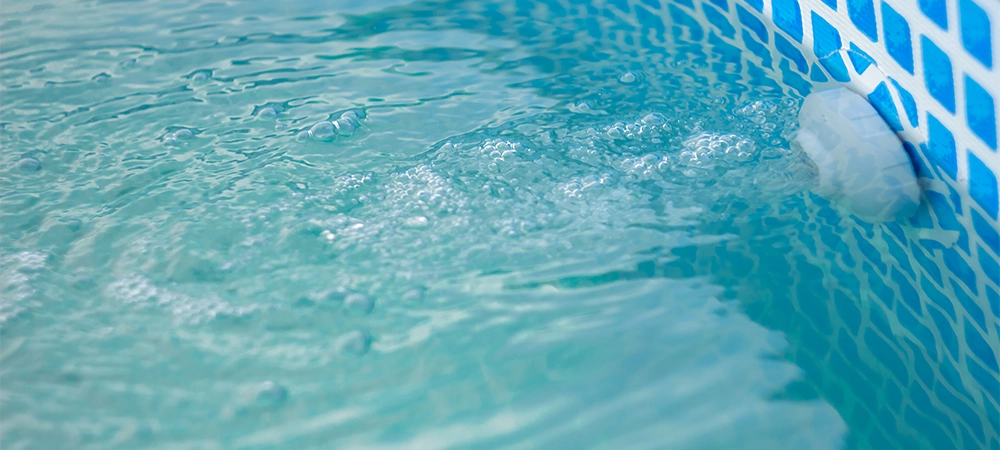
After cleaning and chemical adjustment, let the circulation system run long enough to filter the water properly. This can take a full day or longer if the pool opens green or cloudy.
Check the filter pressure. If the pressure rises too high, clean or backwash the filter according to the type you have. Cartridge filters need rinsing. Sand and diatomaceous earth filters have their own cleaning steps.
Keep brushing during the first few days. Dirt and algae can cling to pool walls even after the first cleaning. Brushing helps the sanitizer work better and moves fine particles into the water so the filter can capture them.
Do not rush this stage. Swimming before the water is properly clear and balanced can lead to irritation and poor water quality.
Check Pool Safety Features
A pre-summer pool opening should include a safety check, especially if children, guests, or pets use the yard.
Inspect the fence and gate. Gates should close and latch properly. Look for gaps, loose boards, leaning posts, or hardware that no longer works smoothly.
Check ladders, handrails, diving boards, steps, and pool lights. Tighten loose fittings and replace damaged parts. Make sure drain covers are secure and compliant with safety expectations.
Keep rescue equipment visible and easy to reach. This may include a life ring, reaching pole, or first-aid kit. Pool rules should also be clear for guests.
Prepare the Landscape Around the Pool
The pool does not stand alone. Grass, planting beds, trees, patios, and walkways all affect how clean and comfortable the area feels.
Trim back shrubs or branches that drop leaves into the water. Refresh mulch or decorative stone where needed, but avoid loose materials that wash into the pool. Check that irrigation heads are not spraying directly into the pool or across paved areas.
If the pool area connects to a deck, patio, outdoor kitchen, or seating zone, clean those surfaces before placing furniture back. Pressure washing may help, but the right method depends on the surface. Some stone, concrete, and decking materials need a gentler approach.
Plan Repairs Before the Season Gets Busy
The best time to deal with pool-area repairs is before summer demand peaks. Once warm weather arrives, service schedules fill quickly.
Make note of anything that needs work, such as uneven paving, poor drainage, loose coping, damaged steps, worn pool edges, or tired landscaping around the pool. These issues may seem small in the spring, but they become more frustrating once the pool is in daily use.
If your backyard needs more than a basic clean-up, this is also the right time to plan upgrades. A better patio layout, safer walkway, refreshed garden bed, new retaining edge, or improved drainage can make the pool area easier to use all season.
Related Article: Your Vinyl Pool Restoration Guide: Benefits, Options, & Cost
Ready for the First Swim
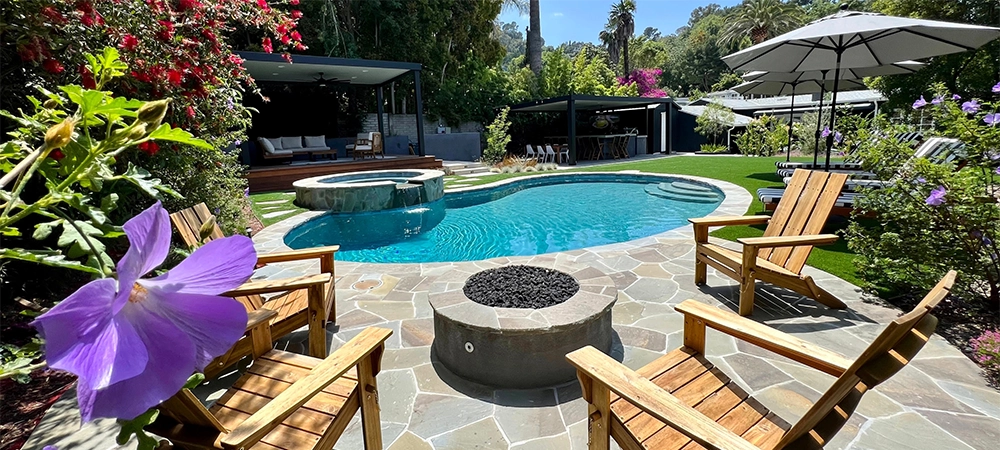
A good pool opening gives you a cleaner, safer, and easier start to summer. The key is to work in the right order: inspect the area, remove the cover, check the pool, restart the equipment, clean thoroughly, balance the water, and prepare the space around it.
Green Side Up can help prepare your outdoor space before the season begins, from pool-area landscaping and patio improvements to drainage, stonework, and backyard upgrades.
If your pool zone needs attention before summer, now is the right time to get it on the schedule. Contact our team today.
Frequently Asked Questions
How early should I open my pool before summer?
Open your pool two to four weeks before regular use. This gives enough time to clean, balance the water, inspect equipment, and handle repairs before hot weather arrives.
Can I open my pool if the water is green?
Yes, but green water needs proper cleaning, filtration, brushing, and chemical treatment before swimming. The process can take several days depending on algae levels and water conditions.
Should pool equipment be serviced every spring?
Yes. Spring service helps catch leaks, worn seals, filter issues, heater problems, and pump concerns before the system runs daily through the summer season.
What should I do if my pool deck has shifted?
Avoid ignoring uneven pool decking. Shifted stone, pavers, or concrete can create trip hazards and drainage problems. Have the area assessed before heavy summer use begins.
Is landscaping important for pool opening?
Yes. Overgrown plants, poor drainage, loose mulch, and messy borders can affect water cleanliness, safety, and comfort. Pool opening should include the surrounding outdoor space.
Do I need professional help to open my pool?
You can handle basic cleaning, but professional help is smart for equipment issues, leaks, heavy algae, damaged surfaces, drainage concerns, or pool-area landscaping repairs.