
Landscaping mistakes are expensive, frustrating, and difficult to reverse. Many homeowners begin with good intentions, then end up redoing work within a few years due to poor planning, drainage issues, or design choices that do not age well. A professional contractor paired with a clear design plan helps prevent these issues before a shovel ever hits the ground.
Working with an experienced landscaping team gives you a long-term view of how your outdoor space will function, look, and hold value. Below are the most common landscape regrets homeowners face and how a professional approach helps you avoid them.
Skipping a Master Plan and Designing in Pieces
One of the most common regrets is building a yard in stages without an overall plan. Homeowners often add features one at a time, such as a patio one year, planting beds the next, then fencing later. The result is a space that feels disconnected and inefficient.
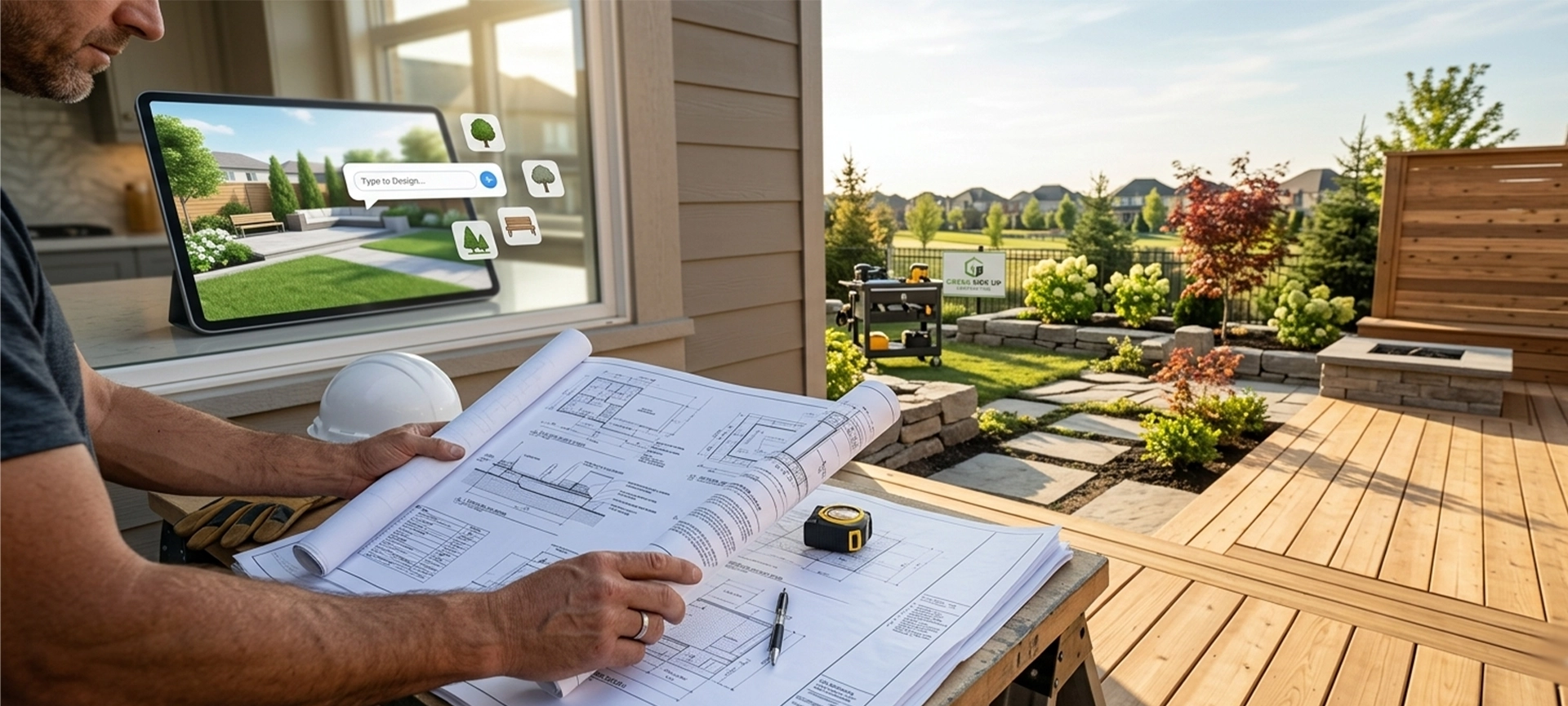
A professional design plan maps the entire property from the start. This includes layout, grading, access points, lighting, drainage, and how each feature connects visually and practically. Even if construction happens in phases, the design ensures every addition fits the final vision.
Without this plan, homeowners often remove or rework features they paid for only a few years earlier.
Related Article: What Is Landscaping: A Comprehensive Guide
Poor Drainage That Causes Ongoing Damage
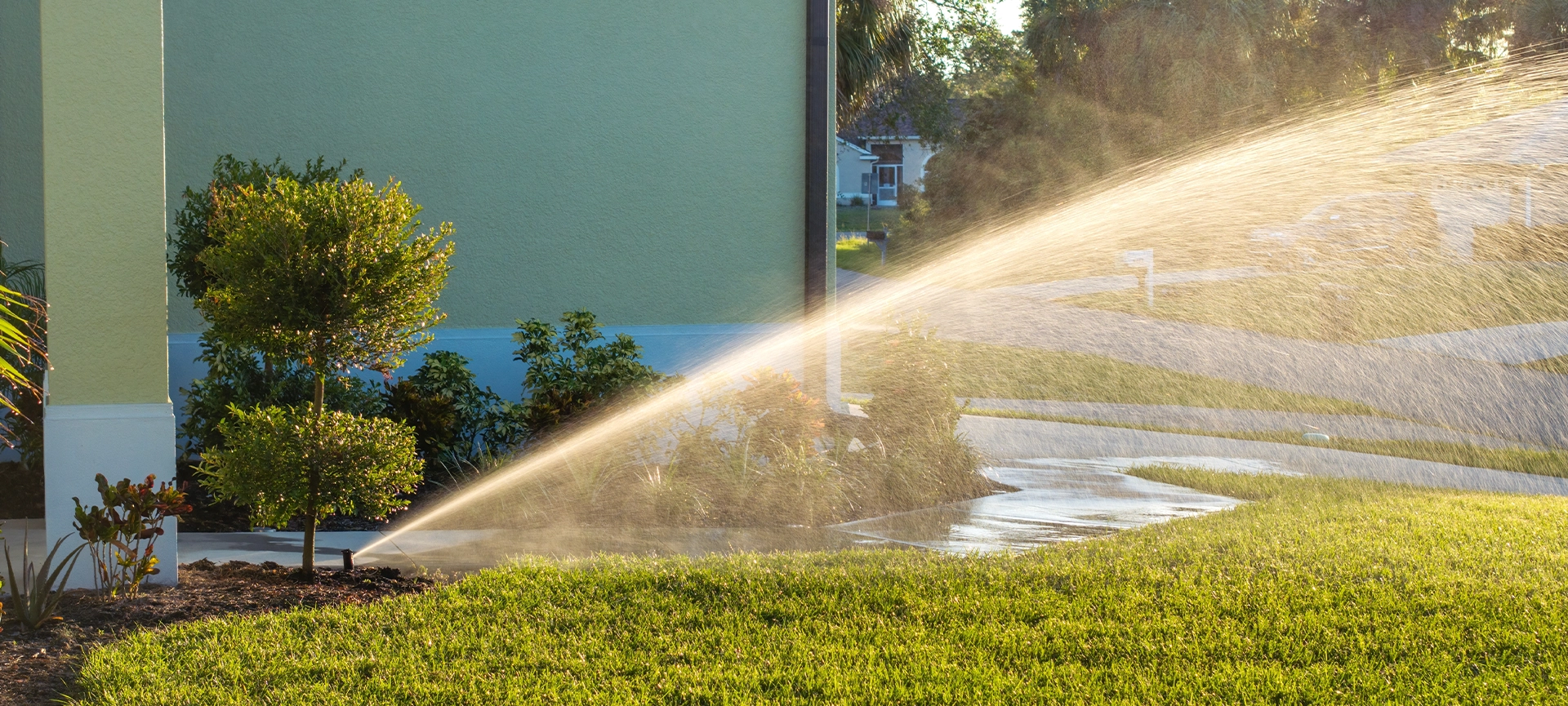
Drainage issues are rarely obvious until after the first heavy rainfall or spring thaw. Water pooling near foundations, soggy lawns, and eroding soil are common regrets tied to DIY or rushed landscaping work.
Professional contractors assess grading, soil conditions, and water flow before installation. They plan proper slopes, drainage channels, and base preparation for patios, walkways, and retaining walls. This prevents long-term issues such as shifting pavers, plant failure, and basement moisture problems.
Fixing drainage after landscaping is complete usually means tearing out finished work, which significantly increases cost.
Choosing Materials That Do Not Hold Up
Another frequent regret is selecting materials based only on appearance or price. Some pavers stain easily, some wood products require more maintenance than expected, and some finishes fade quickly under Canadian weather conditions.
Experienced contractors recommend materials for residential landscaping based on durability, exposure, and long-term care. They account for freeze-thaw cycles, sun exposure, foot traffic, and drainage needs. This helps homeowners avoid surfaces that crack, warp, or look worn far sooner than expected.
The right materials reduce maintenance and extend the life of the landscape.
Planting Without Considering Growth and Maintenance
New landscapes often look great in the first year and then become crowded, overgrown, or difficult to maintain. This usually happens when plants are chosen without considering mature size, root spread, or seasonal care requirements.
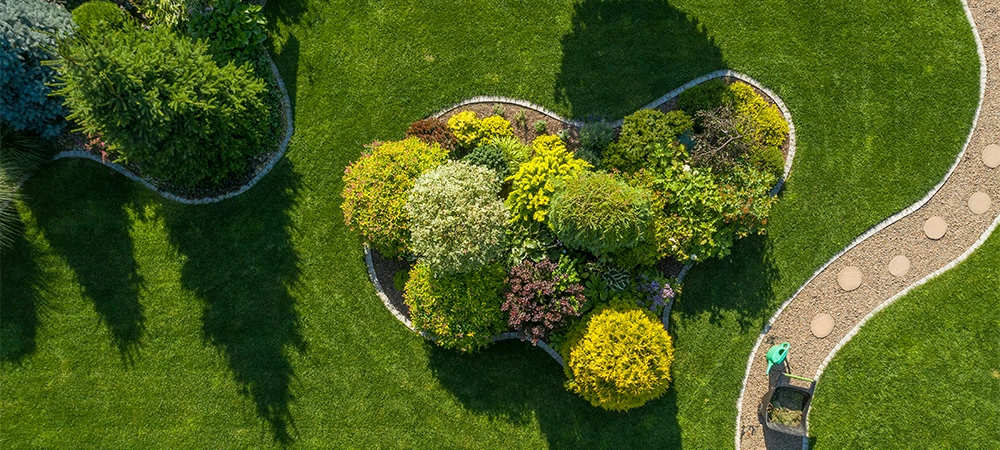
A professional design plan considers how plants grow over time, how they interact with structures, and how much upkeep they require. Spacing, soil quality, sun exposure, and irrigation are all factored into plant selection.
This prevents the need for constant pruning, plant removal, or full replanting after only a few seasons.
Underestimating Budget and Project Scope
Many homeowners regret not budgeting accurately. Costs rise when designs change mid-project, materials are replaced, or unexpected site issues appear. Without professional guidance, it is easy to underestimate labour, base preparation, and finishing details.
A contractor-led design plan provides realistic cost expectations from the start. It outlines materials, labour, timelines, and optional upgrades. This clarity helps homeowners make informed decisions and avoid financial stress halfway through construction.
Clear planning also reduces delays caused by last-minute changes or material shortages.
Related Article: How Much Does Landscaping Cost in Toronto?
Ignoring Local Regulations and Property Constraints
Fence heights, setbacks, drainage rules, and permit requirements vary by municipality. Ignoring these rules can lead to fines, forced changes, or removal of completed work.
Professional contractors understand local regulations and property limitations. They design landscapes that meet zoning rules, property line requirements, and safety standards. This protects homeowners from compliance issues and ensures the project proceeds smoothly.
This is especially important for fences, retaining walls, and structures built near property boundaries.
Related Article: 10 Ideas for Increasing Your Property’s Curb Appeal in Toronto
Ending Up With a Yard That Does Not Match the Home
A landscape that clashes with the home’s architecture is another long-term regret. Styles that look good online may not suit the scale, age, or layout of a specific property.
Professional designers align landscape style with the home’s structure, materials, and surroundings. They consider sightlines, proportions, and how the yard is viewed from inside the house. This creates a cohesive look that feels intentional rather than forced.
The result is a space that enhances curb appeal and resale value.
Overlooking Long-Term Use and Lifestyle Needs
Many homeowners later realize their yard does not support how they actually live. Patios may be too small for gatherings, walkways may feel awkward, or play areas may be poorly placed.
A professional design process starts with how the space will be used. Contractors ask about entertaining, pets, children, privacy, and future plans. This ensures the layout works for daily life, not just for photos.
Designing with lifestyle in mind avoids the regret of an attractive but impractical yard.
Why Professional Planning Saves Money Over Time
While professional design and installation require upfront investment, they often cost less over the life of the landscape. Avoiding rework, repairs, and replacements protects your budget and your property.
A well-planned landscape lasts longer, performs better, and requires fewer corrections. It also adds measurable value to the home, especially when materials and layout are chosen with resale in mind.
Working With a Trusted Local Contractor
Choosing the right contractor matters as much as the design itself. Green Side Up Contracting provides integrated design and build services across the Greater Toronto Area and York Region. Their team focuses on planning, craftsmanship, and long-term performance for residential and commercial landscapes.
With experience across fencing, decks, and full landscape construction, they help homeowners avoid the most common regrets by addressing design, function, and durability from the start.
Related Article: When to Start Planning Your Landscape Project
Planning Your Landscape With Confidence
A professional contractor and design plan give you clarity, structure, and peace of mind. Instead of reacting to problems later, you make informed decisions upfront. This approach protects your investment and delivers an outdoor space that works as well in ten years as it does on day one.
Ready to Build It Right From The Start?
If you are planning a new landscape or correcting an existing one, working with a professional team can save time, cost, and frustration. Book a consultation to review your property, discuss your goals, and create a design plan that prevents costly regrets.
Frequently Asked Questions
How early should I involve a landscape contractor in the planning process?
A contractor should be involved before any materials are purchased or work begins. Early input helps assess drainage, grading, access, and budget so the design is realistic and build-ready from day one.
Is a landscape design plan necessary for smaller yards?
Yes. Smaller spaces have less margin for error. A design plan ensures walkways, patios, and planting areas are sized correctly and do not crowd the space as plants mature or usage changes.
Can a professional plan help me phase my project over time?
Absolutely. A proper design allows landscaping to be completed in stages without rework. Each phase connects to the next, helping homeowners spread costs while keeping a clear end goal.
What mistakes are hardest to fix after landscaping is complete?
Drainage and grading issues are the most difficult and costly to correct. Fixing them often requires removing finished patios, planting beds, or fencing to access the underlying problem.
Do professional contractors help with material selection?
Yes. Contractors recommend materials based on durability, exposure, and maintenance needs. This prevents premature wear, fading, or failure caused by choosing products unsuited to local conditions.
Will a professional landscape plan increase resale value?
A well-designed landscape improves curb appeal, functionality, and buyer confidence. Homes with cohesive outdoor layouts and quality materials often sell faster and with fewer buyer objections.