
Building a deck in the Greater Toronto Area is rarely just a design and construction decision. In most cases, it is also a permitting issue. Municipal rules across the GTA are strict, detailed, and enforced more consistently than many homeowners expect.
If you are planning a deck construction in 2026, understanding permit requirements early can save time, cost, and frustration.
Read further as we deliver the information about the permit requirements and other matters crucial to building your deck during the mid-season.
Related Article: When Is the Best Time for Permit Drawings in Ontario?
Why Deck Permits Matter in the GTA
Deck permits exist to protect safety, property boundaries, and long-term structural performance. Municipalities review deck plans to confirm that loads are supported properly, guardrails meet height rules, stairs are safe, and setbacks are respected.
In the GTA, unpermitted decks often create problems during resale, insurance claims, or inspections following neighbour complaints. In some cases, municipalities can require partial or full removal of a non-compliant structure.
Permits are not optional paperwork. They are a legal requirement for most permanent decks in 2026.
When a Deck Permit Is Required in 2026
Across most GTA municipalities, a building permit is required if your deck meets any of the following conditions:
- The deck is attached to the house
- The deck is more than 24 inches above grade
- The deck includes stairs, guardrails, or a roof
- The deck is supported by footings below grade
- The deck impacts required yard setbacks
Even small decks can require permits if they connect to the structure of the home or extend into regulated yard space.
Ground-level decks that sit directly on grade without footings may be exempt in some municipalities, but exemptions are narrow and vary by city.
Deck Permit Rules by GTA Municipality
While the Ontario Building Code sets baseline standards, each municipality applies its own zoning bylaws. Here is how rules typically differ across the region:
City of Toronto
Toronto requires permits for most decks attached to a house or elevated above 24 inches. Zoning reviews focus heavily on rear-yard coverage and setback distances from property lines.
Toronto is also strict about guardrail heights, stair geometry, and ledger board attachment methods.
Mississauga and Brampton
Mississauga and Brampton apply similar height rules but pay close attention to lot coverage percentages. Decks that extend deep into the yard often trigger zoning variances.
Detached decks may still require permits if they exceed height thresholds or include railings.
Related Article: Can You Replace Railings Without Rebuilding Decks?
Vaughan, Markham, and Richmond Hill
York Region municipalities tend to require permits for most permanent decks, even when detached. These cities often request grading details and footing depths as part of the review.
Corner lots and properties backing onto green space are reviewed more carefully for setback compliance.
Because rules change, always confirm requirements with your local building department before finalizing a design.
Deck Size, Height, and Structural Triggers
Three factors determine permit requirements more than any others: height, attachment, and structural load.
Decks higher than 24 inches almost always require permits because of fall risk and railing requirements. Attached decks require permits regardless of height because they affect the home’s structure. Heavy materials such as composite boards or built-in seating increase load calculations and trigger engineering review.
Hot tubs, pergolas, and privacy screens installed on decks also change permit status. These additions usually require updated drawings or separate approvals.
Required Drawings and Documents
Permit delays often happen because homeowners underestimate the level of detail required.
Most GTA municipalities require:
- Site plan showing property lines, house footprint, and deck location
- Deck framing plan with joist sizes, spacing, and beam layout
- Footing details with depth below the frost line
- Guardrail and stair drawings
- Ledger board attachment details if connected to the house
Hand-drawn sketches are rarely accepted in 2026. Scaled drawings are expected, and some municipalities now require digital submissions.
Working with a contractor who prepares permit-ready drawings can significantly reduce review time.
Related Article: 10 Must-Ask Questions Before You Build Your Deck
Setbacks, Lot Coverage, and Zoning Limits
Zoning bylaws restrict how close a deck can be to property lines and how much of the yard can be covered by structures.
Rear-yard setbacks are commonly 1.2 to 1.5 metres, but corner lots and irregular parcels face tighter rules. Side-yard setbacks are especially strict for elevated decks.
Lot coverage limits include decks in many municipalities. A deck that pushes total coverage over the allowed percentage will require a minor variance.
Ignoring zoning rules is one of the fastest ways to stall a project.
Inspections During Construction
Once a permit is issued, inspections are mandatory. Typical inspection stages include:
- Footing inspection before concrete is poured
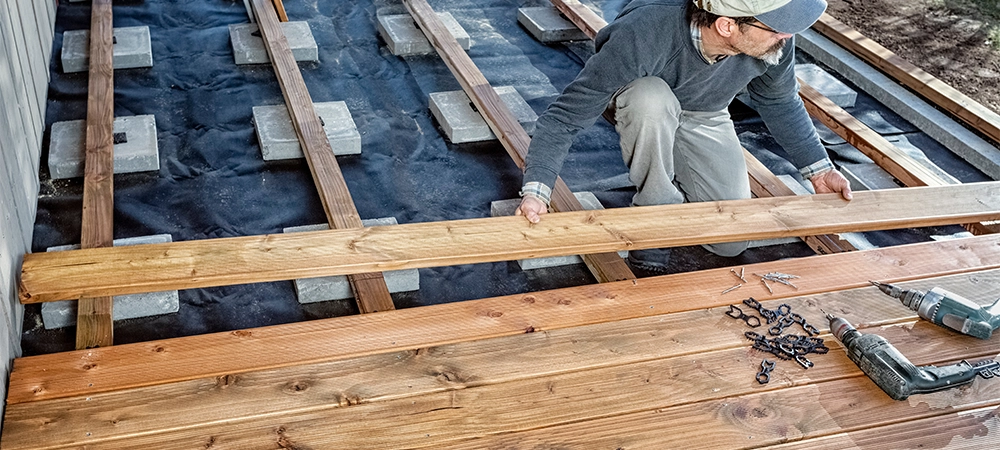
- Framing inspection before decking boards are installed
- Final inspection after railings and stairs are complete
Skipping inspections can invalidate the permit and create compliance issues later. Scheduling inspections on time keeps projects moving and avoids stop-work orders.
How Long Deck Permits Take in 2026
Permit timelines vary by municipality and season. In early spring, review times are often longer due to volume.
Typical timelines in 2026 are:
- Simple decks: 2 to 4 weeks
- Complex or elevated decks: 4 to 8 weeks
- Decks requiring zoning variances: 2 to 4 months or more
Submitting complete, accurate drawings is the best way to avoid resubmissions that reset the review clock.
Common Permit Mistakes Homeowners Make
Many permit problems stem from avoidable assumptions. The most common mistakes include:
- Assuming small decks never need permits
- Building first and applying later
- Using generic deck plans that do not match local bylaws
- Ignoring lot coverage limits
- Adding features mid-build without approval
In the GTA, enforcement is active. Neighbour complaints frequently trigger inspections.
Related Article: Do I Need a Permit to Resurface My Deck in Toronto?
How Working With a Contractor Helps
Experienced deck contractors understand municipal expectations and design decks that pass review the first time. They coordinate drawings, submit applications, and schedule inspections.
For homeowners, this removes guesswork and reduces risk. It also prevents costly changes after construction has started.
Green Side Up Contracting supports clients throughout the permitting process, from early design review to final inspection, ensuring decks meet both building code and zoning requirements.
Planning Your Deck Timeline Around Permits
Permit timelines should shape your project schedule. Design, approvals, and inspections all take time before construction begins.
Starting permit planning in winter or early spring gives you a better chance of building during peak summer months. Waiting until materials are ordered before applying often leads to delays.
What Happens If You Build Without a Permit
Unpermitted decks can create long-term issues. Municipal orders may require engineering reports, retrofits, or removal. Insurance claims related to deck failures may be denied.
During resale, buyers often request proof of permits. Missing documentation can delay closings or reduce offers.
Permits protect both safety and property value.
Planning With Confidence in 2026
Deck permits in the GTA are detailed, but they are manageable with the right preparation. Understanding height rules, zoning limits, and documentation requirements early helps avoid stress and delays.
If you are planning a new deck in 2026, getting permit guidance before construction starts is one of the smartest steps you can take.
Ready to Move Forward With Your Deck Project?
If you are planning a deck in the GTA and want clear guidance on permits, design, and construction, contact Green Side Up Contracting for a consultation and permit-ready planning support.
Frequently Asked Questions
Do I need a permit to replace an existing deck?
If the replacement changes size, height, structure, or materials, a permit is usually required. Like-for-like repairs may be exempt, but confirmation is needed.
Are composite decks treated differently from wood decks for permits?
Composite decks often require more detailed load calculations due to weight. Permit requirements are the same, but review may be stricter.
Can I apply for a deck permit myself?
Yes, homeowners can apply directly. However, accurate drawings and zoning knowledge are required to avoid delays.
Do deck stairs require permits even if the deck is low?
Stairs often trigger permit requirements because of rise, run, and railing rules, even on low decks.
What if my deck encroaches slightly into the setback?
Even small encroachments usually require a minor variance. Municipalities rarely approve exceptions without formal review.
How long is a deck permit valid?
Most GTA deck permits are valid for one year from issuance, with options for extension if work is delayed.