
Installing a backyard swimming pool is a significant investment that transforms your outdoor space into a personal oasis. Proper backyard prep for pool installation is essential to ensure a smooth installation process, structural integrity, and long-lasting enjoyment throughout the swimming season. Whether you’re planning an in-ground pool, above-ground pool, or custom design, careful planning and execution will save time, reduce costs, and help you create the perfect backyard retreat.
In this comprehensive guide, we cover everything you need to know about preparing your yard for a pool installation—from assessing your space to safety features and landscaping. We also highlight key considerations for various pool types, including fibreglass pools, vinyl pools, concrete pools, and more.
Related Article: What is the Best Time to Build a Pool?
Step 1: Assess Your Backyard Space and Location
Before breaking ground, evaluate your backyard space carefully to determine the best location for your new pool. This step is crucial for maximizing sun exposure, ensuring easy access, and complying with zoning regulations.
- Measure available space: Confirm that your yard can accommodate the pool size and shape you want, plus room for decking, patios, and additional features.
- Consider sun exposure: Position your pool in an area with ample sunlight to naturally warm the water and reduce heating costs. Sun exposure also helps minimize algae growth.
- Identify existing features: Take note of trees, fences, slopes, and underground utilities that may affect placement or require removal.
- Evaluate terrain and soil: Uneven ground or sloped yards may need grading or retaining walls. Soil type influences foundation stability and drainage.
- Check local zoning regulations: Understand setback requirements, pool enclosure rules, and safety standards to avoid delays.
Hiring an expert team or pool builders for a professional site evaluation can identify potential settling issues and ensure the pool is installed on a solid foundation.
Step 2: Choose the Right Pool Type for Your Yard
Selecting the appropriate pool type is key to aligning your budget, lifestyle, and backyard conditions.
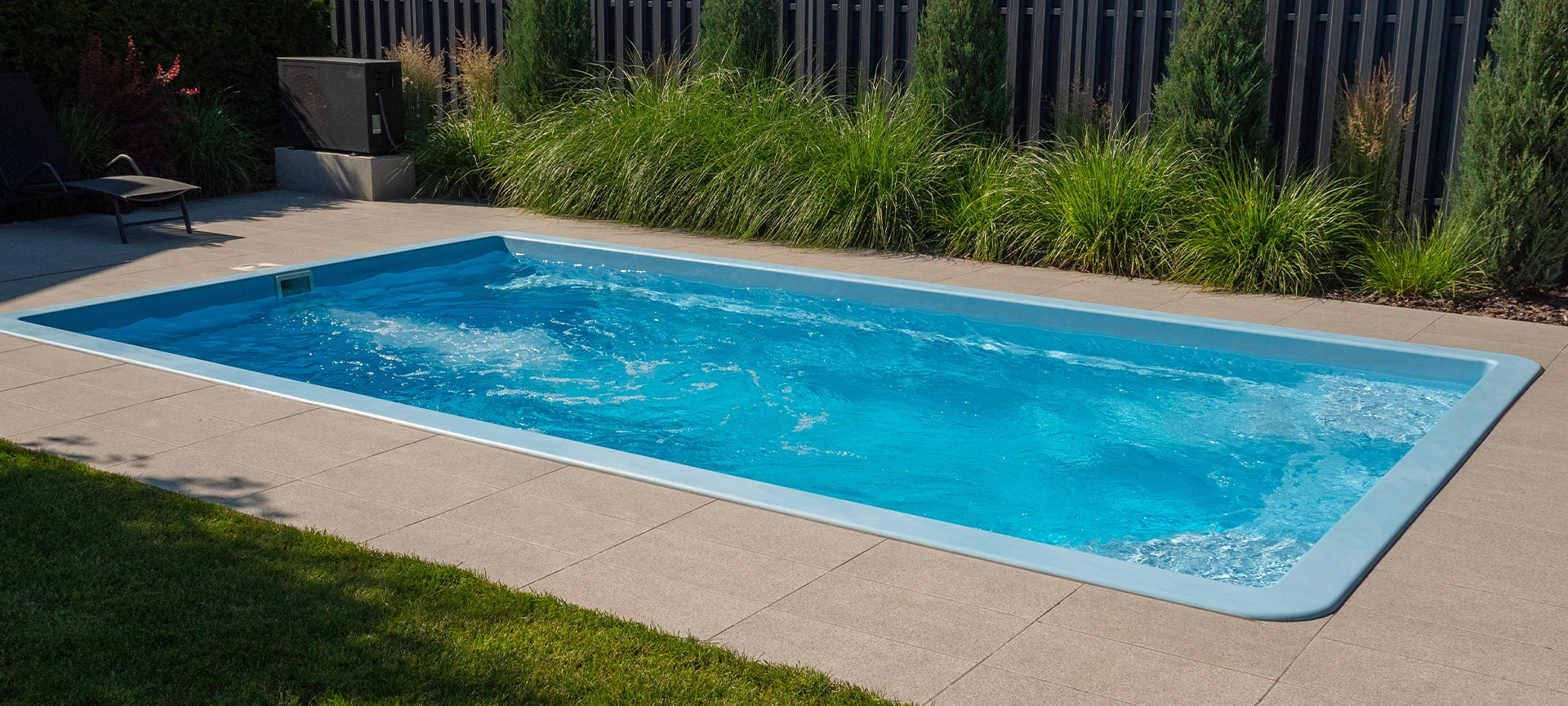
Inground pools: Offer flexible design options and custom shapes. Common materials include concrete pools, fibreglass pools, and vinyl pools.
- Concrete pools provide a smooth surface and durability, but require more maintenance.
- Fibreglass pools have a quick installation time and low maintenance.
- Vinyl liner pools are cost-effective but may need liner replacement over time.
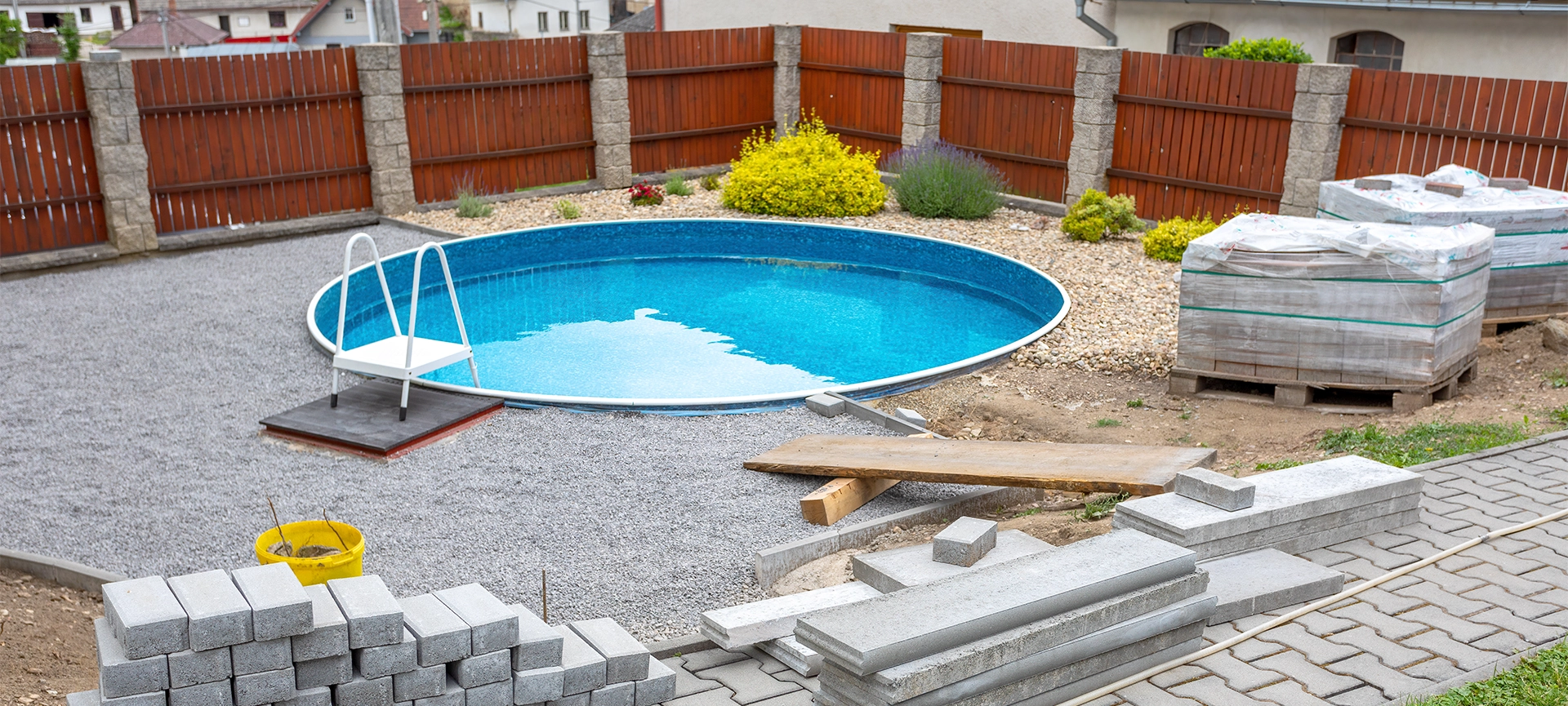
Above-ground pools: Ideal for smaller yards or temporary setups. These pools require a level, firm base free from rocks and other vegetation to prevent structural issues.
Outdoor structures: Consider if you want features like pool enclosures or cabanas for added privacy, shade, and year-round enjoyment.
Related Article: Inground vs. Above Ground Pools: Pros, Cons & Costs
Step 3: Obtain Necessary Permits and Comply with Regulations
Navigating pool permits and local regulations is an important factor in a successful installation.
- Pool building permits: Required in most municipalities to ensure pools meet safety standards and zoning laws.
- Fence and pool enclosure permits: Many regions mandate self-closing, self-latching fences or enclosures to meet safety standards.
- Utility permits: Electrical and plumbing work for filtration systems, heating systems, and lighting requires proper permits.
- Environmental and drainage permits: For excavation near water sources or sensitive areas, additional permits may be necessary.
Working with knowledgeable pool builders helps streamline the permit process and ensures full compliance. At Green Side Up Contracting, we offer pool design and pool permit drawings services.
Step 4: Clear and Prepare the Installation Site
Site preparation creates a solid foundation for your pool and prevents future structural issues.
- Remove obstacles: Clear trees, shrubs, rocks, and old structures from the pool area and surrounding landscaping.
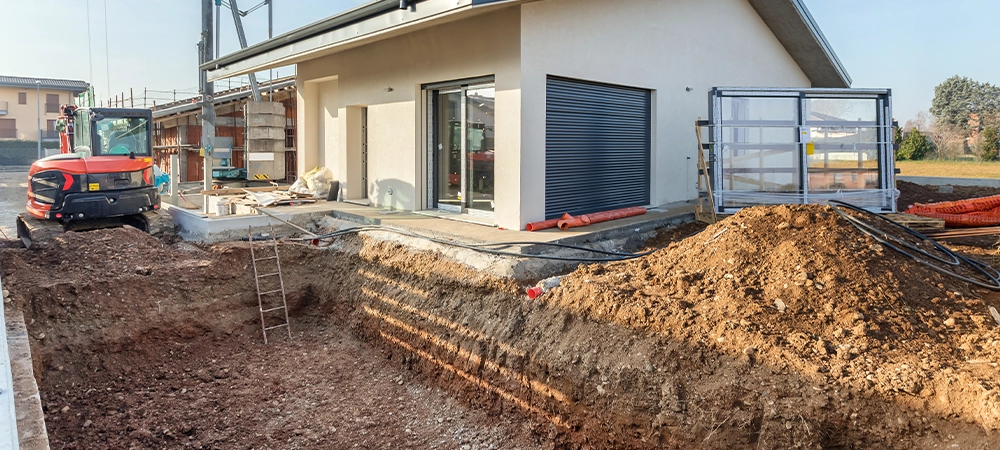
- Excavate the site: Dig to the required depth and dimensions based on your pool type and design.
- Dispose of debris responsibly: Keep the site clean and accessible for construction equipment.
- Level and stabilize the ground: Use a laser level to grade the land evenly. Add base materials such as sand, gravel, or crushed stone for a compacted, stable foundation.
Uneven ground can cause settling issues, leading to cracks, leaks, and other structural problems. Proper ground preparation is a significant investment in your pool’s longevity.
Step 5: Plan and Install Drainage Systems
Effective drainage is critical to prevent water pooling around your pool, which can cause erosion and damage.
- Assess natural water runoff: Position the pool where water drains away from the installation site.
- Install drainage solutions: French drains, catch basins, or sloped grading redirect excess water.
- Address high water tables: Waterproofing or specialized drainage may be needed in areas with high groundwater.
A well-designed drainage system protects your pool and surrounding landscaping for season-long enjoyment.
Related Article: Top 5 Mistakes to Avoid When Installing a Pool in Ontario
Step 6: Coordinate Electrical and Plumbing Work
Pools require integrated electrical and plumbing systems for filtration, heating, lighting, and maintenance.
- Filtration systems: Properly installed pumps and filters keep pool water clean and safe.
- Heating systems: Extend your swimming season by adding heaters that are energy-efficient to minimize heating costs.
- Electrical wiring: Must be installed by licensed electricians to meet safety standards, including grounding and GFCI outlets.
- Plumbing: Water supply lines and backwash drains help maintain water circulation and prevent waterlogging.
Planning these systems early avoids costly rework and ensures all equipment is securely installed.
Step 7: Design Landscaping and Outdoor Features
Enhance your backyard swimming pool area with thoughtful landscaping and additional features.
- Decks and patios: Use non-slip materials like textured concrete or composite decking for safety.
- Greenery and shade: Trees, shrubs, and gazebos provide privacy and comfort.
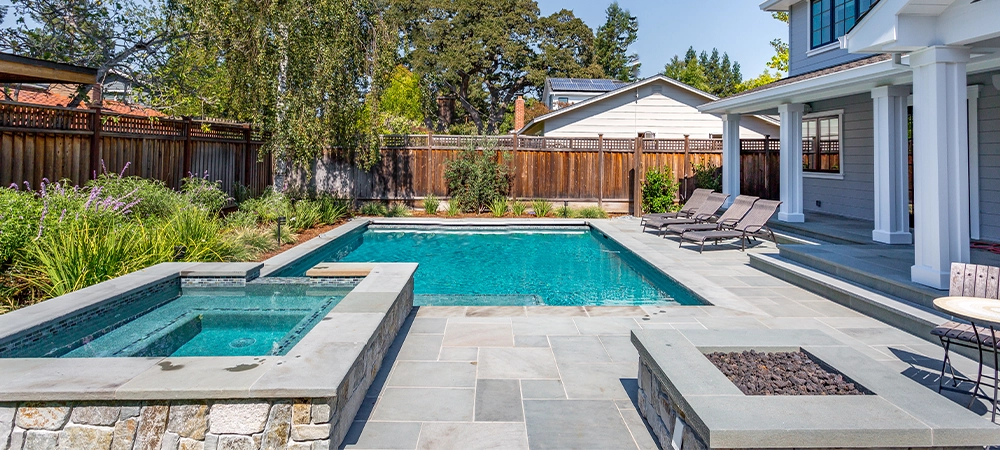
- Poolside accessories: Fire pits, built-in seating, and water features add style and functionality.
- Pool enclosures: Offer protection from debris, increase safety, and allow for longer swimming seasons.
Custom landscaping transforms your pool area into a private oasis perfect for family relaxation and entertaining.
Related Article: Landscaping Around Pools: Tips for Privacy, Shade, and Aesthetic Appeal
Step 8: Prioritize Pool Safety Features
Safety is paramount, especially for families with children or pets.
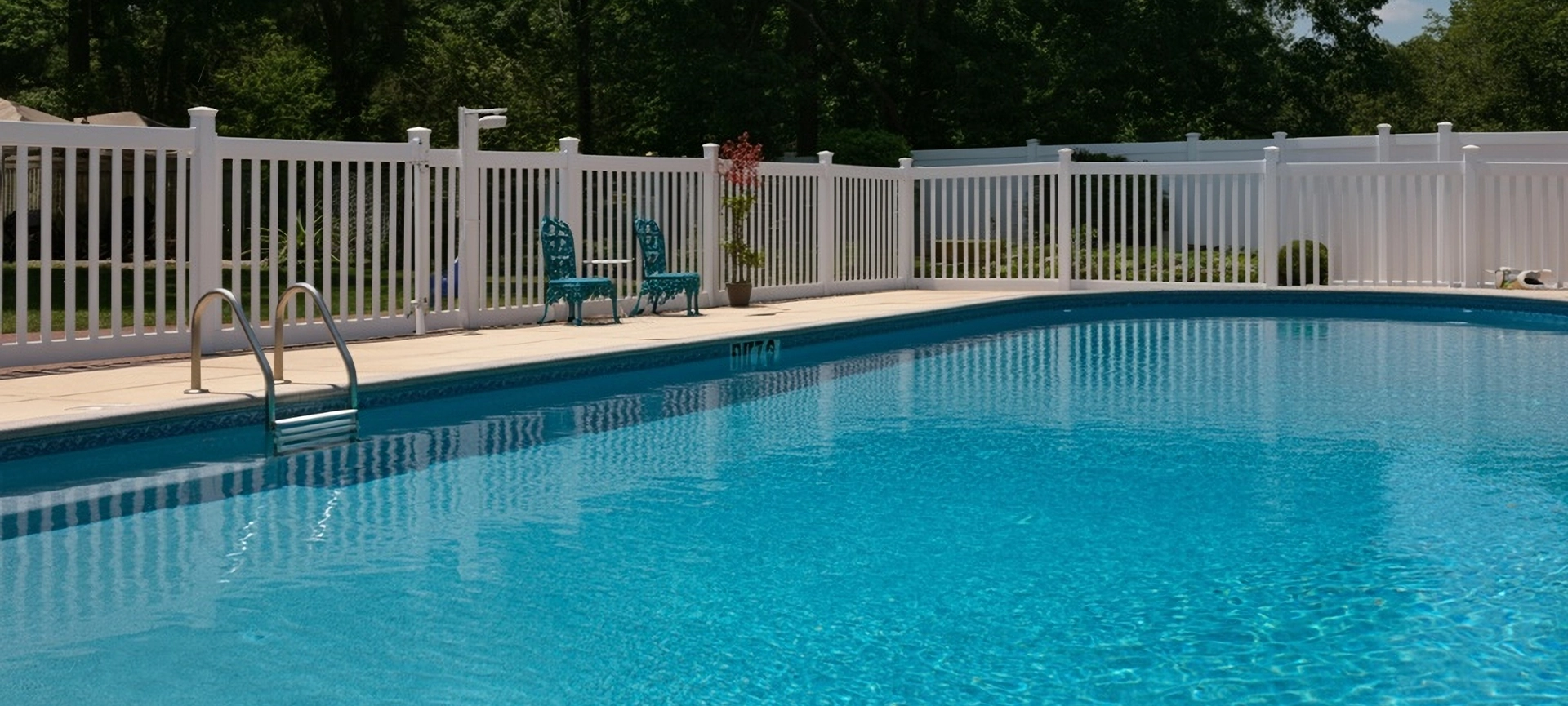
- Install compliant pool fencing: Self-closing, self-latching gates meet local safety standards.
- Use pool covers and alarms: Prevent unauthorized access and keep pool water clean.
- Select non-slip surfaces: Reduce the risk of slips and falls around the pool area.
Integrating safety features from day one ensures peace of mind and regulatory compliance.
Related Article: Pool Deck Design Plans: Choosing the Right Materials for Style and Durability
Step 9: Establish a Regular Maintenance Routine
Maintaining your pool is essential for longevity and enjoyment.
- Water chemistry balance: Regularly test and adjust pH, alkalinity, and calcium hardness to prevent algae growth and equipment corrosion.
- Filter and pump upkeep: Clean and inspect filtration systems for optimal performance.
- Liner and surface care: Monitor vinyl liners for wear and schedule liner replacement as needed.
- Seasonal preparations: Winterize your pool if necessary and prepare for summer use when the season arrives.
Consistent maintenance reduces long-term costs and keeps your pool inviting all season long.
FAQs About Backyard Preparation for Pool Installation
- How does soil type affect pool installation?
Soil type impacts foundation stability and drainage needs; clay soils may require extra reinforcement to prevent settling issues. - Can I install a pool near existing trees?
Avoid placing pools too close to trees as roots can damage pool structures and increase debris in the water. - What is the ideal sun exposure for a pool?
A location with at least 6 hours of direct sunlight daily helps maintain warmer water and reduces algae growth. - Are pool enclosures necessary?
While not always mandatory, pool enclosures enhance safety, reduce maintenance, and extend your swimming season. - How long does site preparation and pool installation typically take?
Site prep varies but usually takes 1-2 weeks, depending on yard size, terrain, and complexity of excavation. The overall pool installation process, including site preparation, excavation, construction, plumbing, electrical work, and finishing touches, typically takes between 6 to 12 weeks. This timeline can vary based on the pool type, weather conditions, and contractor availability. Read more.
Final Thoughts
A successful pool installation begins with thorough backyard preparation. From site evaluation and drainage to landscaping and safety measures, every step is crucial to ensuring a smooth and long-lasting pool setup. By following these steps and partnering with an expert team, you can create a beautiful, safe, and functional backyard swimming pool tailored to your lifestyle and space for endless enjoyment.
Get Your Backyard Pool-Ready with Expert Help
At Green Side Up Contracting, we offer expert excavation, landscaping, and outdoor construction services to help homeowners create the perfect poolside retreat. With 25+ years of experience and 11 HomeStars awards, we are dedicated to delivering high-quality, customized outdoor solutions.
Ready to dive in? Start your pool project today with confidence! Contact Green Side Up today for a consultation with professional pool contractors!