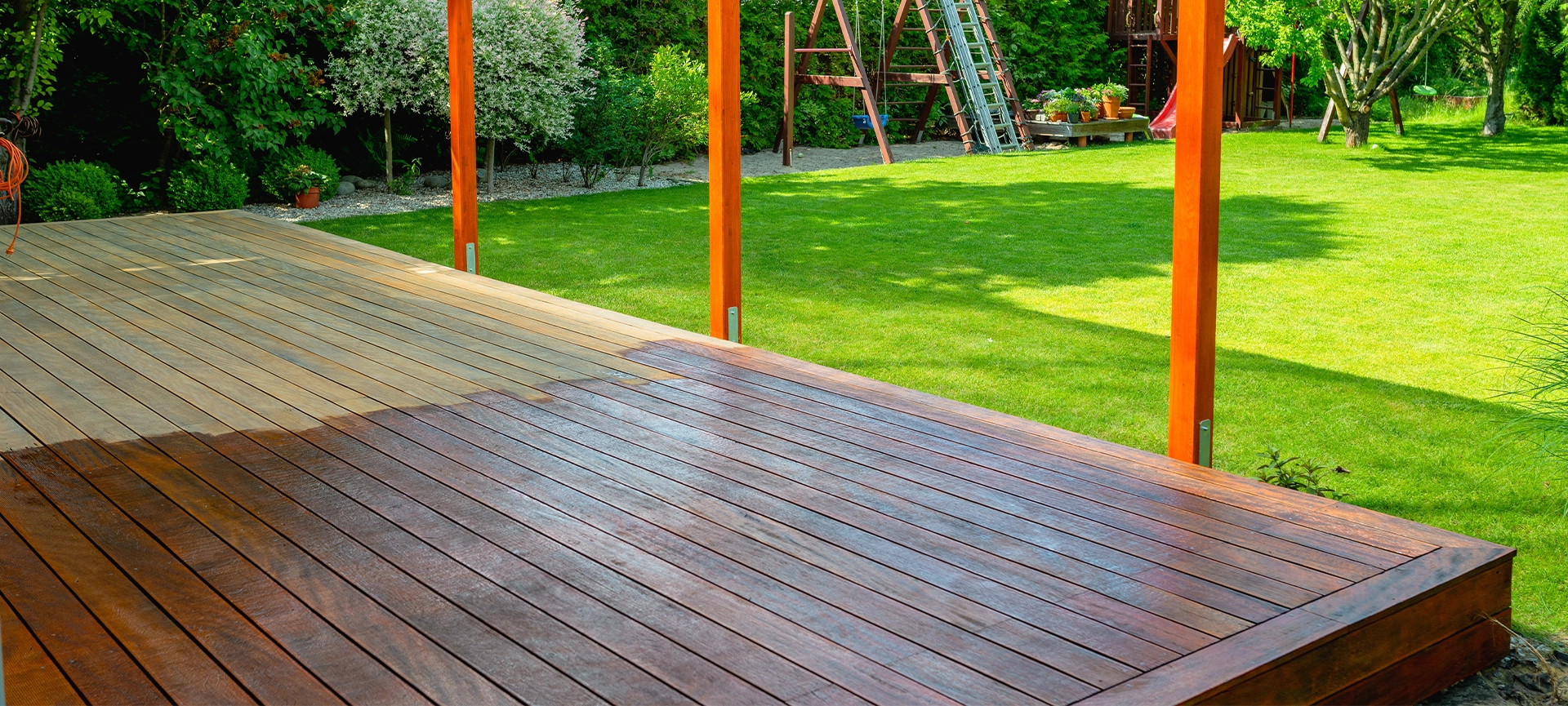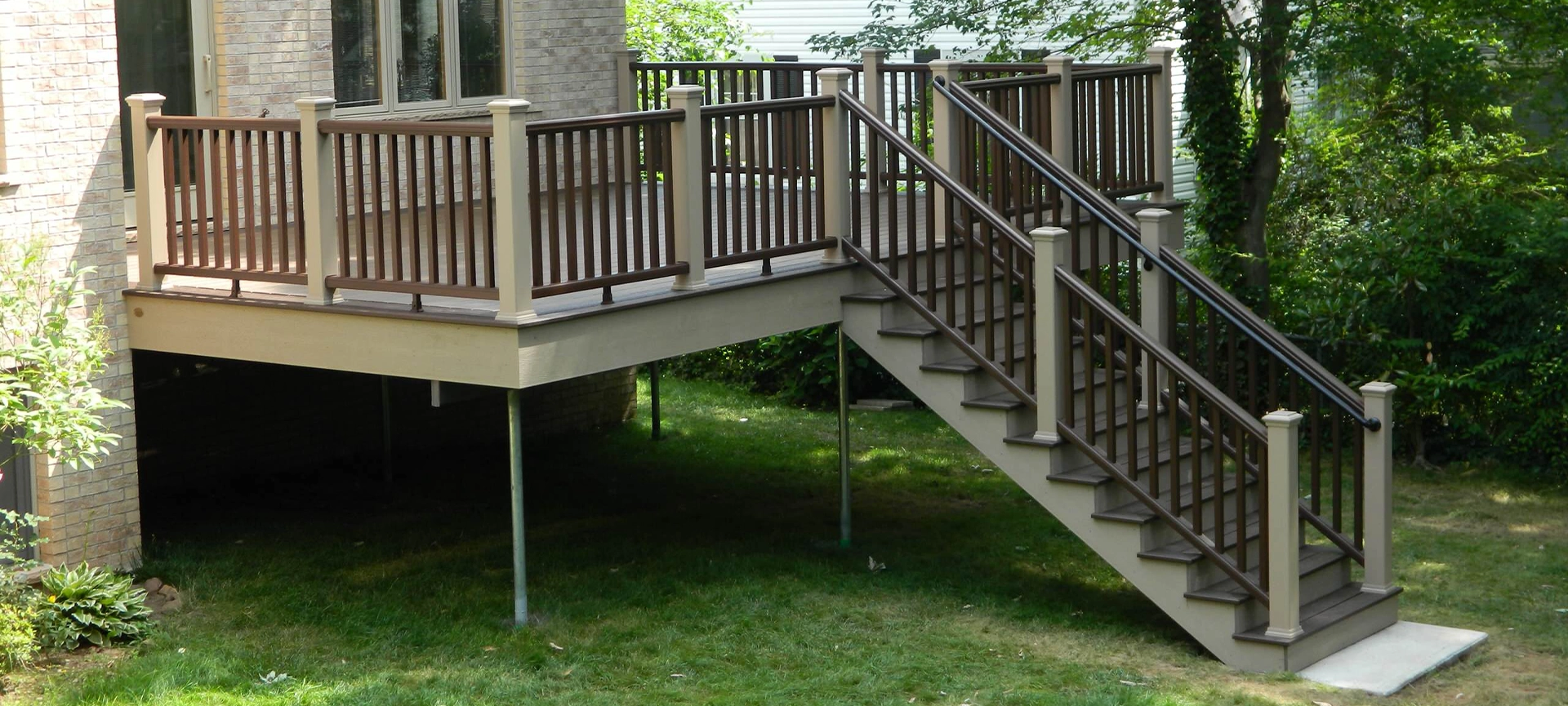
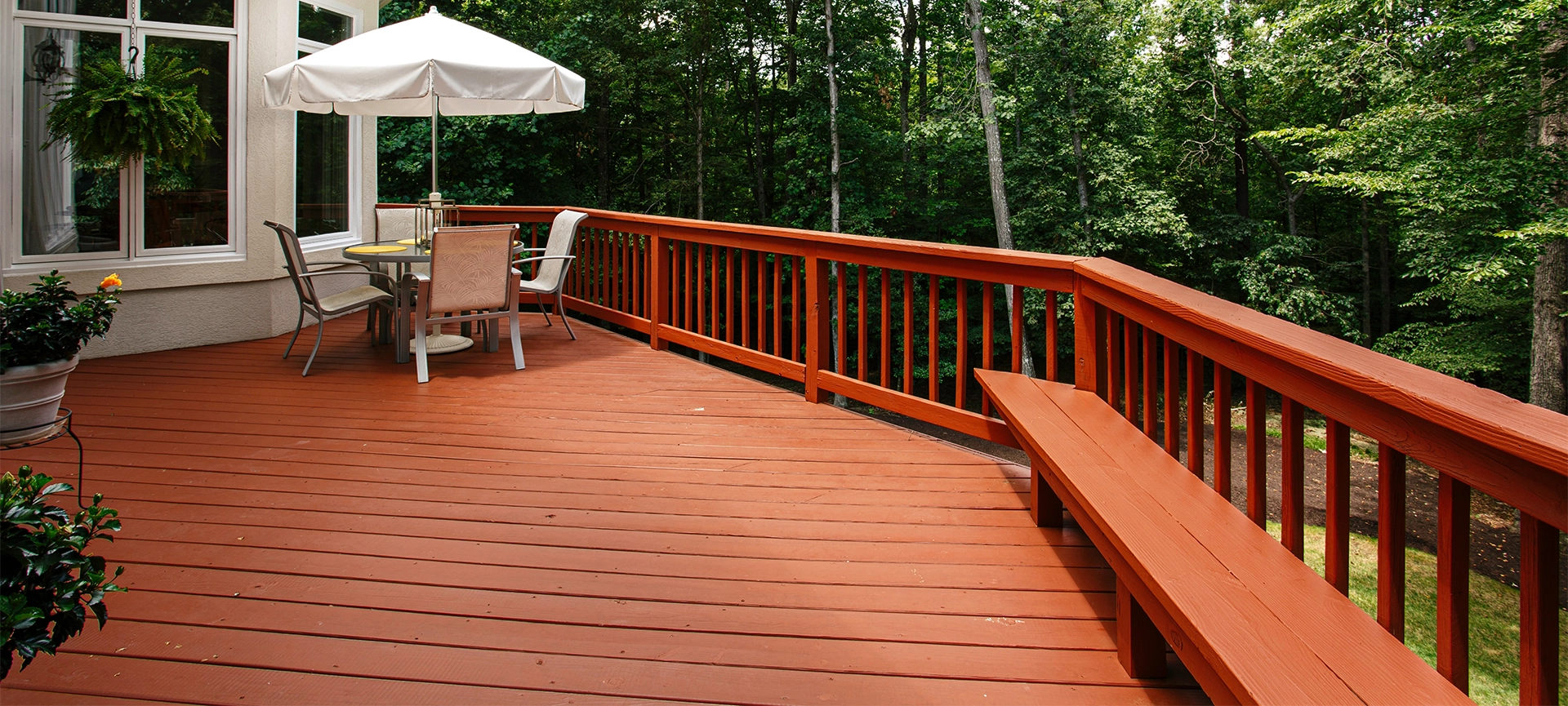

With rising construction costs driven by increased material and labour expenses, homeowners are seeking cost-effective ways to maintain and improve their outdoor spaces. Deck resurfacing offers a budget-friendly alternative to a complete deck replacement, especially when the deck’s underlying structure remains sound. In this article, we’ll explore when deck resurfacing is the smarter choice, helping you save money without compromising safety or aesthetics.
What Is Deck Resurfacing?
Deck resurfacing involves replacing only the surface components of your deck, such as deck boards, railings, and stairs, while retaining the existing deck frame, footings, and supports. Resurfacing is often chosen to restore or improve the deck’s appearance without the need for a full replacement. Common materials used for resurfacing include composite decking, PVC decking, and pressure-treated wood upgrades, which enhance durability and curb appeal. Wooden decks can also be re-stained to refresh their colour and extend their lifespan. However, resurfacing is a temporary fix if there are underlying structural issues, which may require more extensive repairs or a complete deck replacement.
Rebuilding a Deck: Why It Costs More
A full deck rebuild requires demolition and disposal of the entire deck structure, including the frame and footings. Rebuilding is necessary when you need to replace an aging, outdated, or damaged deck that can no longer be safely or cost-effectively repaired. This process involves obtaining new permits and inspections, rebuilding the framing, footings, and hardware, and incurs higher material and labour costs. Replacement offers the opportunity to create a new deck with modern features, improved safety, and enhanced aesthetics. The increased volume of materials and complexity make rebuilding a more expensive and time-consuming option compared to resurfacing. However, deck replacement allows for design flexibility and customization that resurfacing cannot provide. Deck replacement ensures structural integrity and safety by starting from the ground up.
How Deck Resurfacing Saves You Money
Deck resurfacing saves money primarily by avoiding demolition of the structural framing, requiring fewer new materials, and reducing labour time. Resurfacing can also help avoid frequent repairs that are common with older decks, especially those made from traditional wood. Projects typically have shorter timelines and often eliminate the need for full permit reapplication. Additionally, resurfacing causes less disruption to your home and yard, making it a convenient and cost-effective solution. However, resurfacing may lead to higher costs in the future if additional repairs become necessary.
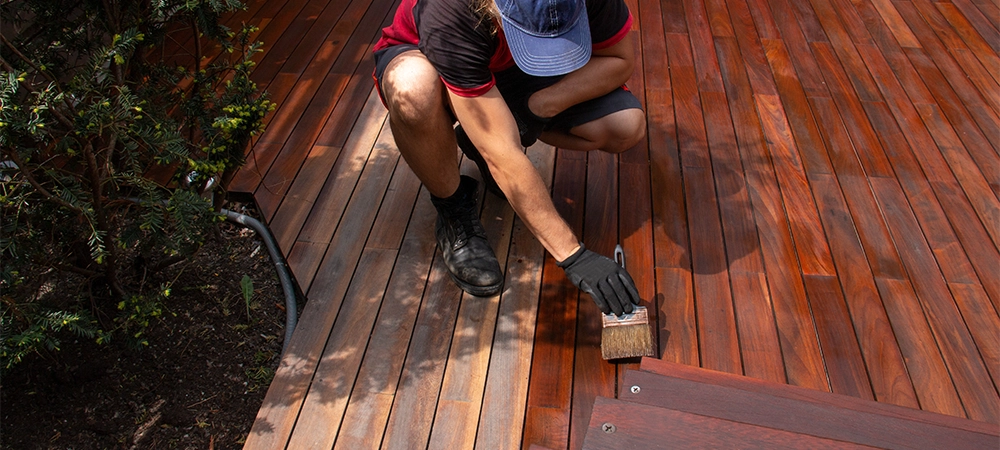
Cost Comparison: Resurfacing vs Rebuilding
Homeowners see the biggest savings when the existing deck frame is structurally sound, and only surface-level damage or wear needs addressing. However, various factors such as the deck’s age, condition, and intended use should be considered when deciding between resurfacing and rebuilding. It’s also important to note that deck repair costs can add up quickly over time, sometimes exceeding the cost of a full deck replacement.
| Project Type | Average Cost Range | Cost per Square Foot |
|---|---|---|
| Deck Resurfacing | $15 – $35 per sq. ft. | Lower due to fewer materials and labour |
| Full Deck Rebuild | $30 – $60 per sq. ft. | Higher due to demolition, permits, and full structure replacement |
When Deck Resurfacing Is the Best Option
- The current deck structure is solid and complies with current building codes and safety standards, and features a modern design.
- Footings and framing show no signs of rot or damage.
- There are no significant structural issues present in the current deck.
- The absence of soft spots or other signs of deterioration is essential.
- The existing deck layout suits your needs.
- You want to upgrade aesthetics and durability without major construction.
A professional inspection confirms that the support posts, beams, and joists are in excellent condition with no signs of rot, mould, or severe warping.
When Rebuilding May Be Necessary
- Presence of structural rot or safety hazards.
- Failing footings or ledger board.
- Need for major layout changes.
- The deck no longer meets building codes.
Green Side Up Contracting emphasizes clear evaluation to ensure resurfacing is recommended only when appropriate, building trust with homeowners.
Best Materials for Cost-Effective Deck Resurfacing
Composite Decking
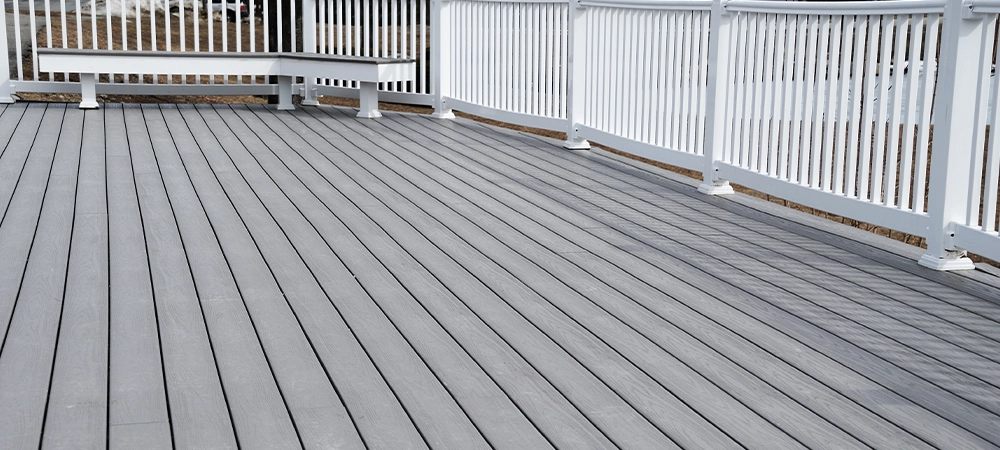
Offers long-term savings due to its exceptional durability and minimal maintenance requirements. Resistant to fading, warping, and insect damage, composite decking like Trex decking or TimberTech ensures your deck surface remains attractive and functional for years.
PVC Decking
Known for superior water resistance and strength, PVC decking is ideal for decks exposed to harsh weather conditions. Its low maintenance and longevity make it a smart choice for lasting deck resurfacing projects.
Upgraded Railings
Upgrading loose railings not only enhances safety by providing sturdy support but also boosts curb appeal. Modern railing designs can complement your deck’s style while meeting current building codes.
Hidden Fasteners
These fasteners provide a sleek, modern look by concealing screws and nails beneath the deck surface. They improve durability by reducing surface damage and creating a smooth, clean deck appearance.
Using better decking materials reduces maintenance costs and extends the lifespan of your deck surface.
Related Article: PVC vs. Composite Decking: What’s the Difference?
Long-Term Value: Maintenance & Lifespan
Compared to old wood decks, resurfaced decks with composite or PVC materials require less maintenance and fewer repairs over time. These upgrades improve your deck’s appearance and boost resale appeal. When comparing return on investment, resurfacing often provides an excellent balance of cost savings and long-term durability versus a full deck replacement.
How to Know If Your Deck Can Be Resurfaced
A professional inspection is essential to assess the deck frame, footings, and overall structural integrity. During this inspection, professionals can also identify opportunities to add features such as built-in seating, custom lighting, or upgraded railings to enhance the deck’s functionality and appearance. Deck contractors from Green Side Up Contracting look for signs of rot, damage, and code compliance to determine if resurfacing is viable. Decks over 15 years old often require frequent repairs that can add up, making replacement a more cost-effective option. DIY assessments can be risky and may overlook underlying issues that compromise safety.
Final Thoughts: A Smarter Way to Upgrade Your Deck
Deck resurfacing is a strategic investment that offers significant cost savings, improved aesthetics, and enhanced safety when performed by professionals. Green Side Up Contracting provides expert deck inspections and resurfacing vs rebuild assessments to help Toronto and GTA homeowners make informed decisions. Upgrade your outdoor space with confidence and enjoy exceptional results without breaking the bank.
Contact Green Side Up Contracting today for a free quote and personalized resurfacing consultation.
FAQs
- What is the difference between deck resurfacing and deck rebuilding?
Deck resurfacing replaces only the deck surface components while keeping the existing frame intact. Deck rebuilding involves removing the entire structure and building a new one from scratch. Replacement offers the opportunity for a complete redesign and upgrade of your outdoor space. - How do I know if my deck needs resurfacing or a full replacement?
A professional inspection by a deck builder like Green Side Up Contracting can assess the structural integrity, rot, and code compliance to recommend the best option. Deck replacement allows your deck builder to start from the ground up, ensuring that every component is structurally sound and code-compliant. If your deck is older than 20 years, and the base structure is severely damaged, rotted, or unstable, it is time to replace it. - Are composite and PVC decking good choices for resurfacing?
Yes, both materials offer long-term durability, minimal maintenance, and improved aesthetics compared to traditional wood decks. - Will deck resurfacing require permits?
Often, resurfacing does not require new permits if the existing structure remains unchanged, but local regulations vary, so consult with your contractor. - How much can I save by resurfacing instead of rebuilding?
Deck resurfacing typically costs about half or less of a full deck rebuild, saving you money on materials, labour, and permit fees.