
Sloped backyards often feel difficult to use. Grass struggles to grow evenly, water runs off in the wrong direction, and furniture never quite sits right. A well-built retaining wall solves these issues while turning uneven ground into a structured, usable space.
Retaining walls do more than hold soil in place. They shape the layout of your yard, improve drainage, and create defined outdoor living areas that feel intentional rather than improvised.
Why Sloping Backyards Need Structural Support
A slope may look natural, but it brings ongoing challenges if left unmanaged. Over time, gravity and water movement begin to reshape the landscape in ways that can affect both usability and safety.
Without proper support, sloped yards often experience:
- Soil erosion after heavy rain
- Water pooling at the base of the slope
- Shifting ground that affects patios or decks
- Difficulty maintaining grass or planting beds
Retaining walls address these problems by stabilizing the soil and controlling how water moves across your property. This creates a foundation for everything else in your outdoor space.
How Retaining Walls Improve Functionality
The main purpose of a retaining wall is to hold soil in place, but its impact goes much further. When designed properly, it transforms how the entire yard functions.
Creates Flat, Usable Levels
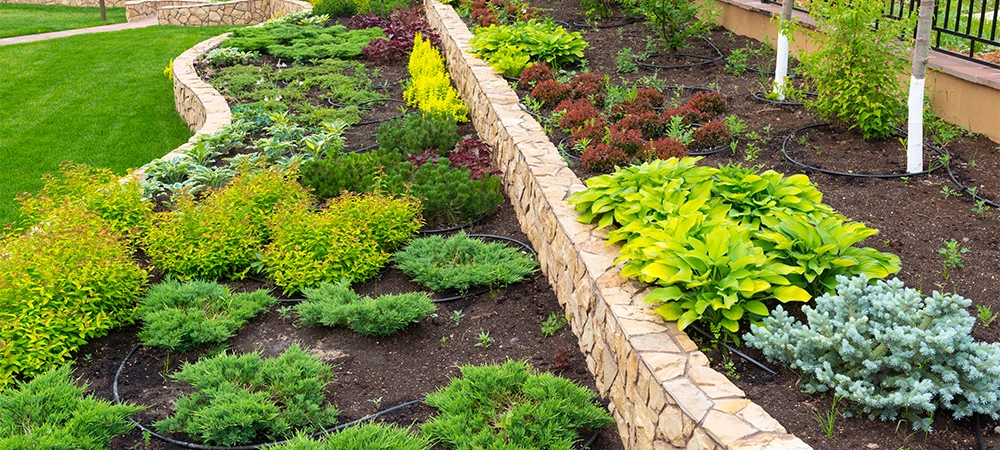
Instead of working around a slope, retaining walls carve out level areas. These terraces can be used for:
- Outdoor seating or dining spaces
- Garden beds
- Lawn sections for children or pets
- Pathways that connect different areas
Each level adds structure, making the yard easier to navigate and enjoy.
Controls Water and Drainage
Water is one of the biggest concerns in sloped landscapes. Without direction, it can wash soil away or move toward your home’s foundation.
Retaining walls help manage this by:
- Slowing down water flow
- Redirecting runoff away from structures
- Supporting proper drainage systems behind the wall
This reduces long-term damage and helps maintain the integrity of your landscaping.
Related Article: Solving Yard Drainage Issues Before Landscaping Begins
Prevents Soil Movement
Loose soil on a slope shifts over time. This can lead to uneven surfaces or damage to nearby structures.
A retaining wall acts as a barrier that keeps everything in place, especially when combined with a properly compacted base and drainage layer.
The Visual Impact of Retaining Walls
While function is essential, retaining walls also play a major role in how your yard looks and feels. They introduce clean lines and intentional design where there was once uneven terrain.
Adds Structure and Definition
Retaining walls break up large slopes into defined sections. This creates a sense of order and balance in the landscape.
Different levels can be styled individually while still feeling connected as a whole.
Complements Existing Features
Materials and finishes can be chosen to match or contrast with your home and outdoor elements. Common options include:
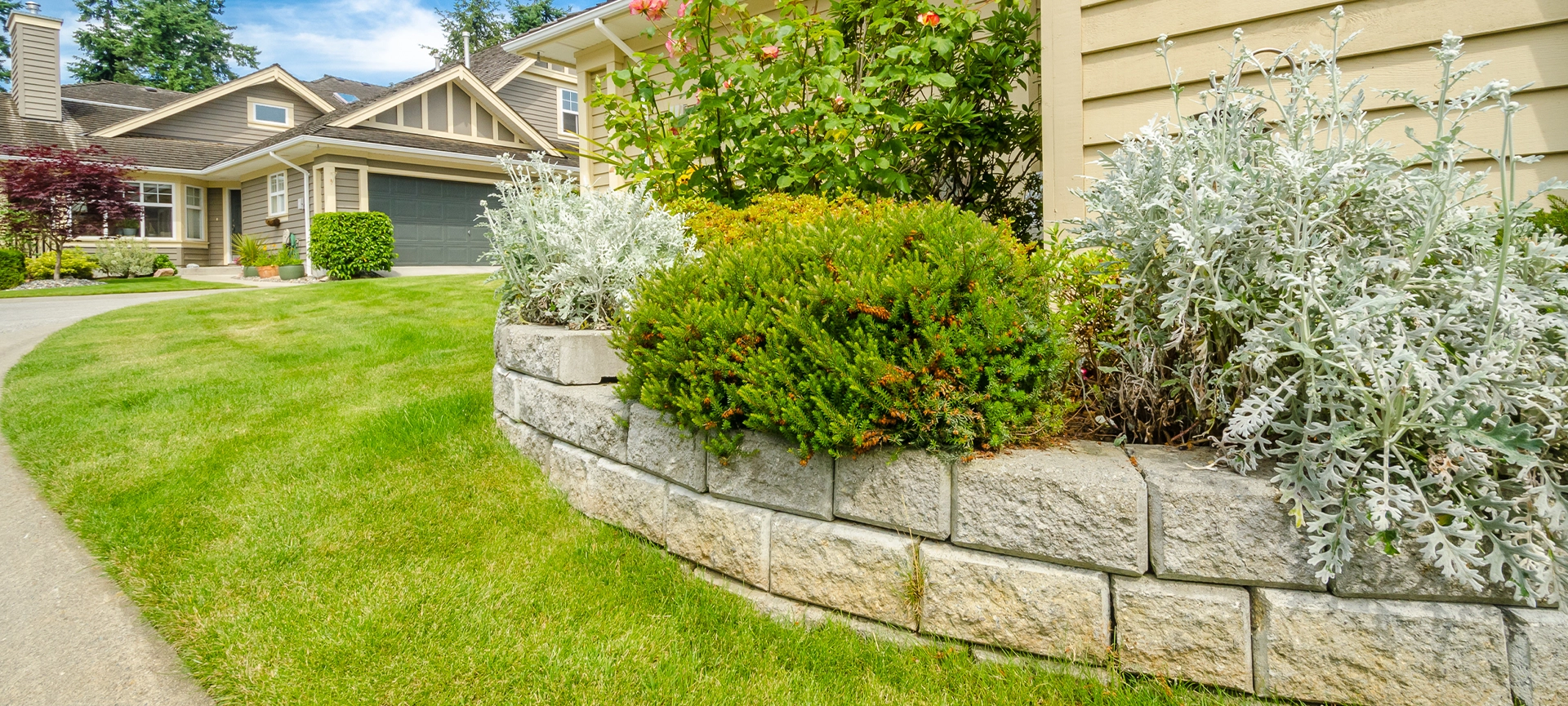
- Natural stone for a timeless appearance
- Concrete blocks for a clean, modern look
- Timber for a softer, natural feel
When coordinated with patios, walkways, or deck construction, the entire space feels cohesive rather than pieced together.
Enhances Property Value
A structured and well-designed yard is easier to maintain and more appealing to buyers. Retaining walls signal that the property has been professionally planned, which can influence both perceived and actual value.
Choosing the Right Material For Your Retaining Wall
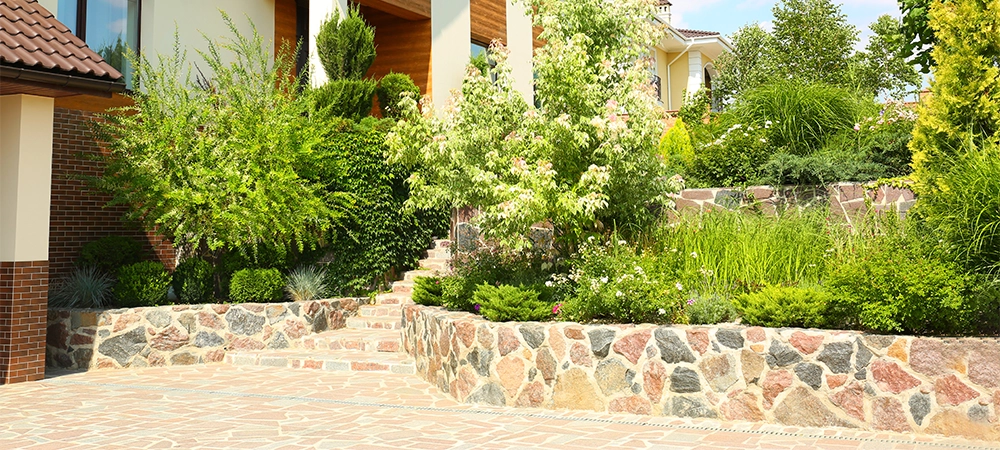
The material you choose affects both performance and appearance. Each option has its own strengths depending on the layout and purpose of the wall.
Natural Stone
Natural stone offers durability and a high-end finish. It blends well with surrounding greenery and works for both traditional and modern designs.
Concrete Block
Concrete blocks are engineered for strength and consistency. They are ideal for larger walls and can be finished in various textures and colours. A block retaining wall is especially effective for structural applications where soil pressure and height require a more reinforced solution.
Timber
Timber provides a more casual look and can be cost-effective for smaller projects. It works well in garden settings where a softer, natural appearance is preferred. A wooden retaining wall can be a practical option for low-height terraces, though it typically requires more maintenance to protect against moisture and decay.
Design Considerations That Make a Difference
A retaining wall is not just about stacking materials. Its performance depends on proper planning and execution.
Height and Load
Taller walls hold more weight and require stronger structural support. In some cases, engineering may be needed to ensure stability.
Drainage Behind the Wall
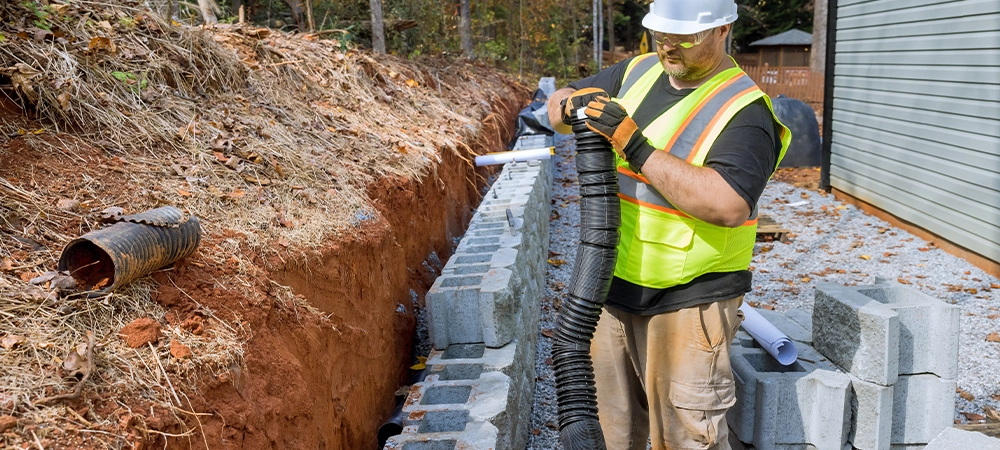
Water pressure builds up behind retaining walls if not managed correctly. This is why drainage systems, such as gravel backfill and perforated pipes, are essential.
Soil Conditions
Different soil types behave differently under pressure. Understanding the soil helps determine the right design approach.
Integration With the Overall Landscape
Retaining walls should connect naturally with other features like patios, steps, and planting areas. This ensures the yard feels cohesive rather than segmented.
Common Retaining Wall Applications in Sloped Yards
Retaining walls can be used in several ways depending on the layout of your property.
Multi-Level Garden Beds
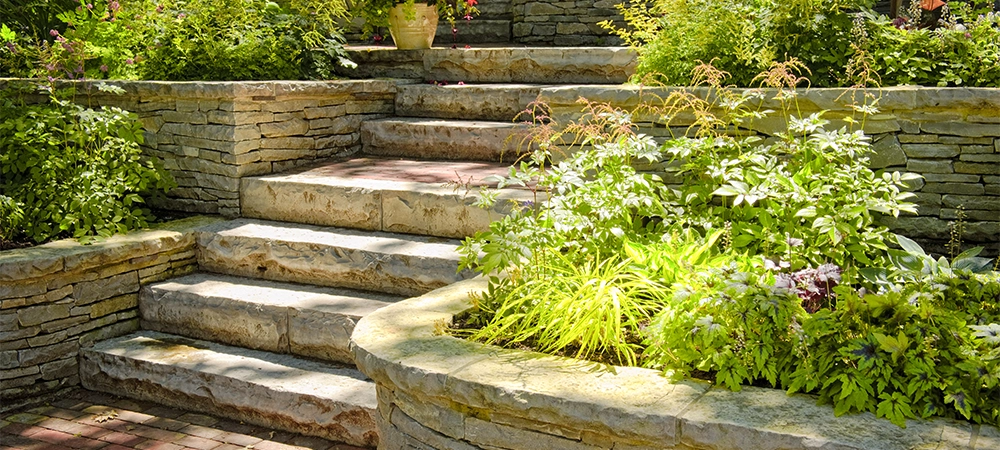
Terraced planting areas make it easier to grow flowers, shrubs, or vegetables. They also prevent soil from washing away during heavy rain.
Outdoor Living Zones
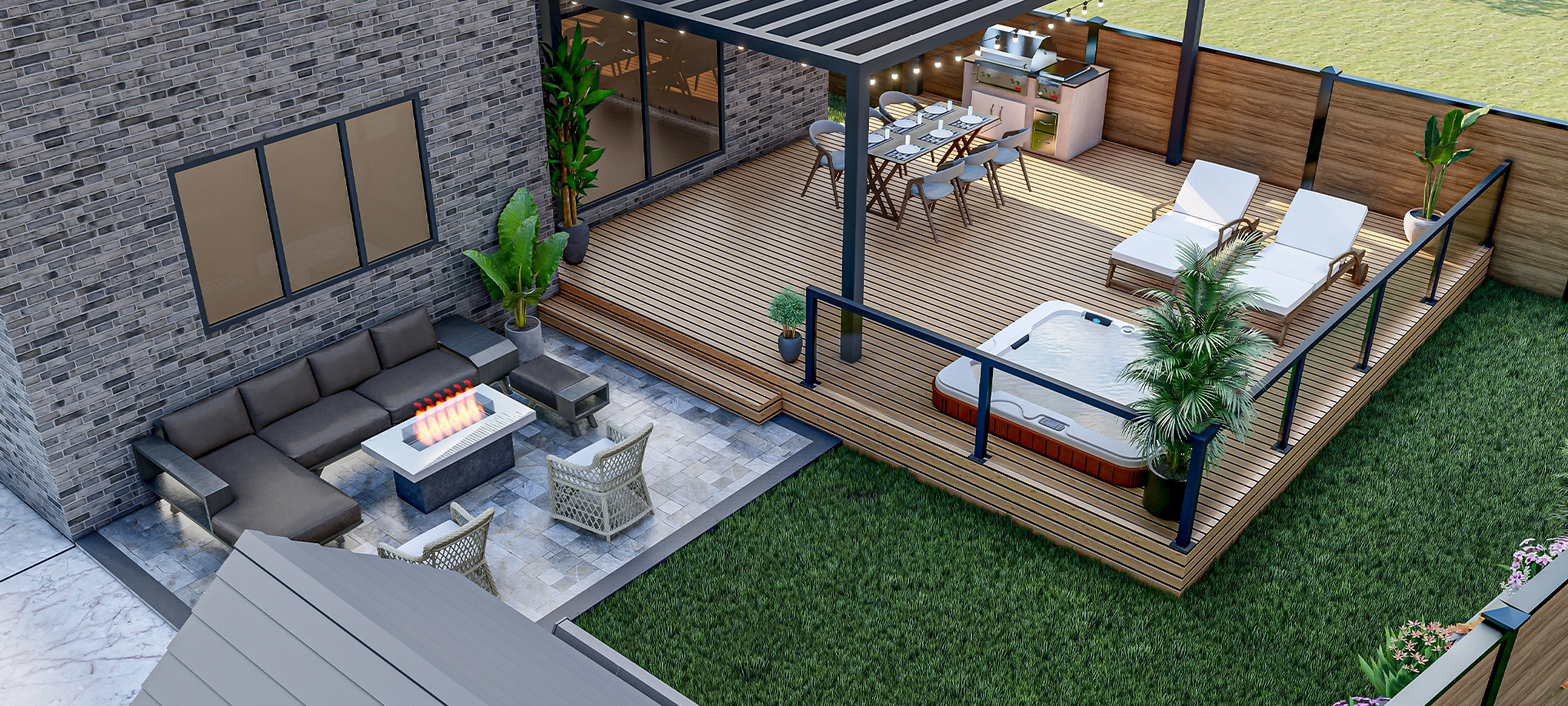
Flat sections created by retaining walls can support seating areas, fire pits, or dining spaces. This makes the yard more functional for everyday use.
Pathways and Access Points
Walls can define walkways and create safe transitions between levels. This improves both accessibility and safety.
Why Professional Installation Matters
Retaining walls must handle pressure from both soil and water. Poor installation can lead to leaning, cracking, or even collapse over time.
Working with experienced professionals ensures:
- Proper excavation and base preparation
- Correct drainage installation
- Use of suitable materials for the specific site
- Long-term stability and safety
Green Side Up Contracting brings experience in designing and building outdoor structures that balance function and visual appeal. We work closely with homeowners to create solutions that suit both the landscape and how the space will be used.
Making the Most of Your Sloped Backyard
A sloped yard does not have to limit what you can do with your outdoor space. With the right retaining wall design, it becomes an opportunity to create something more dynamic and practical.
Instead of a single uneven surface, you gain structured levels that support everyday use, improve drainage, and enhance the overall look of your property.
Related Article: Should You Book Spring Landscaping Now?
If your yard feels difficult to use or maintain, a retaining wall could be the solution that ties everything together. From structural support to visual impact, it creates a space that is both practical and inviting.
Green Side Up Contracting can help you plan and build retaining walls that fit your property and your goals. Whether you are reshaping a steep slope or upgrading your outdoor layout, the right approach makes all the difference.
Give us a call to discuss your landscaping projects.
Frequently Asked Questions
How high can a retaining wall be without engineering approval?
This depends on local regulations, but many areas require engineering for walls over a certain height, often around one metre.
Do retaining walls need drainage systems?
Yes. Proper drainage prevents water pressure buildup behind the wall, which can cause structural failure.
How long do retaining walls last?
With proper installation and materials, retaining walls can last decades. Stone and concrete typically outlast timber.
Can retaining walls be added to an existing yard?
Yes. They can be integrated into existing landscapes, though site conditions will determine the design approach.
Are retaining walls expensive to build?
Costs vary based on material, height, and site complexity. Sloped yards may require more preparation, which can affect pricing.
Do retaining walls increase property value?
Yes. They improve usability, drainage, and appearance, all of which contribute to higher property appeal.