
Last Updated: November 21, 2026
Quick Summary
The best hardscaping materials for Ontario are dense, low-absorption surfaces like interlocking concrete pavers and granite, paired with a properly compacted base. Tight surfaces resist freeze-thaw damage, while loose, porous, or badly drained assemblies fail. The base matters more than the surface.
- Dense, low-absorption materials resist frost heave better than porous ones.
- Interlocking concrete pavers offer consistent durability and predictable cost.
- Granular A crusher run is a common compacted sub-base for Ontario hardscapes.
- Permeable pavers let water pass through open joints and a graded stone reservoir.
- Green Side Up Contracting Inc brings 26 years of experience to hardscape projects.
Table of Contents
- How to Match Hardscaping Materials to Freeze-Thaw Cycles
- Patio Pavers vs Natural Stone: Which Wins on Durability and Cost
- Paver Base Material, Permeable Pavers for Drainage, and Pool Deck Materials
- Frequently Asked Questions
How to Match Hardscaping Materials to Freeze-Thaw Cycles
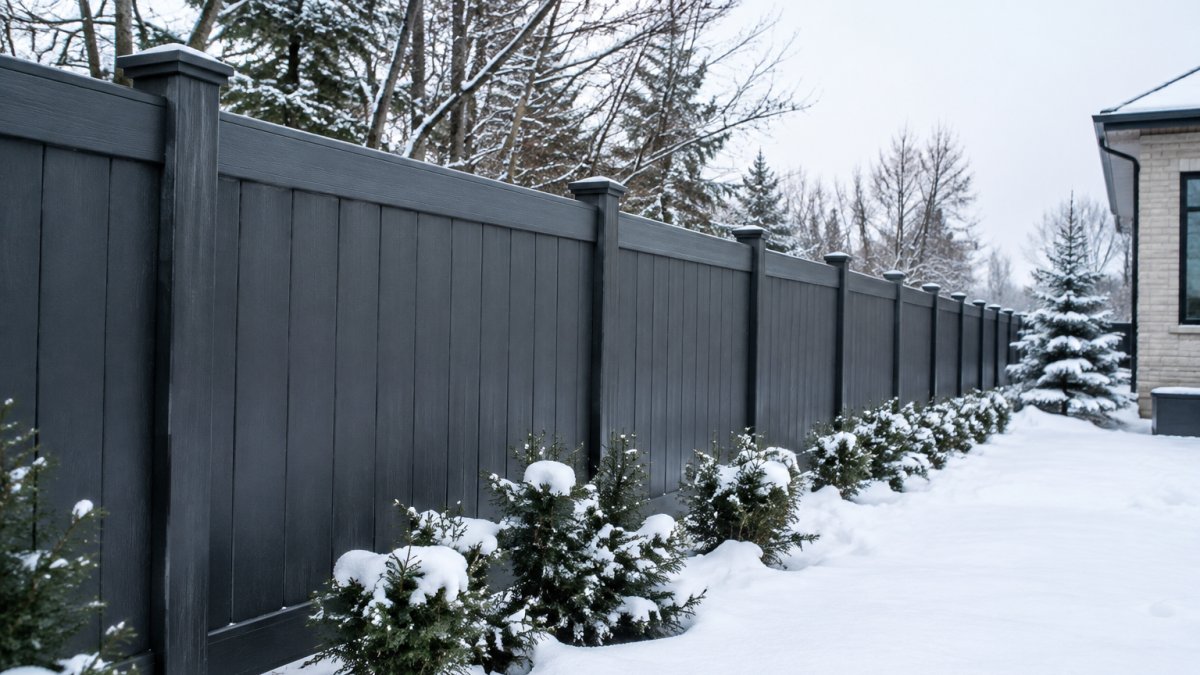
Choosing the best hardscaping materials for Ontario means picking surfaces that survive freeze-thaw. Tight, low-absorption surfaces with a properly built base hold up through winter; loose, porous, or badly drained assemblies fail. Water enters a joint or pore, freezes, expands, and pushes the material apart, so small flaws become heaves, cracks, and settled corners. Because water trapped beneath a hardscape can freeze and shift its surface, choosing driveway base aggregate that drains well helps support a stable foundation.
| Material | Water Absorption | Freeze-Thaw Resilience | Maintenance Load |
|---|---|---|---|
| Interlocking concrete pavers | Low | High when base is correct | Low |
| Natural stone (granite, limestone) | Varies by stone | High for dense granite | Medium |
| Flagstone | Moderate to high | Moderate; needs solid bedding | Medium to high |
Two rules decide most projects: dense, low-absorption materials resist frost heave better than porous ones, and the base matters more than the surface.
See our hardscaping work for materials and installation detail.
Patio Pavers vs Natural Stone: Which Wins on Durability and Cost
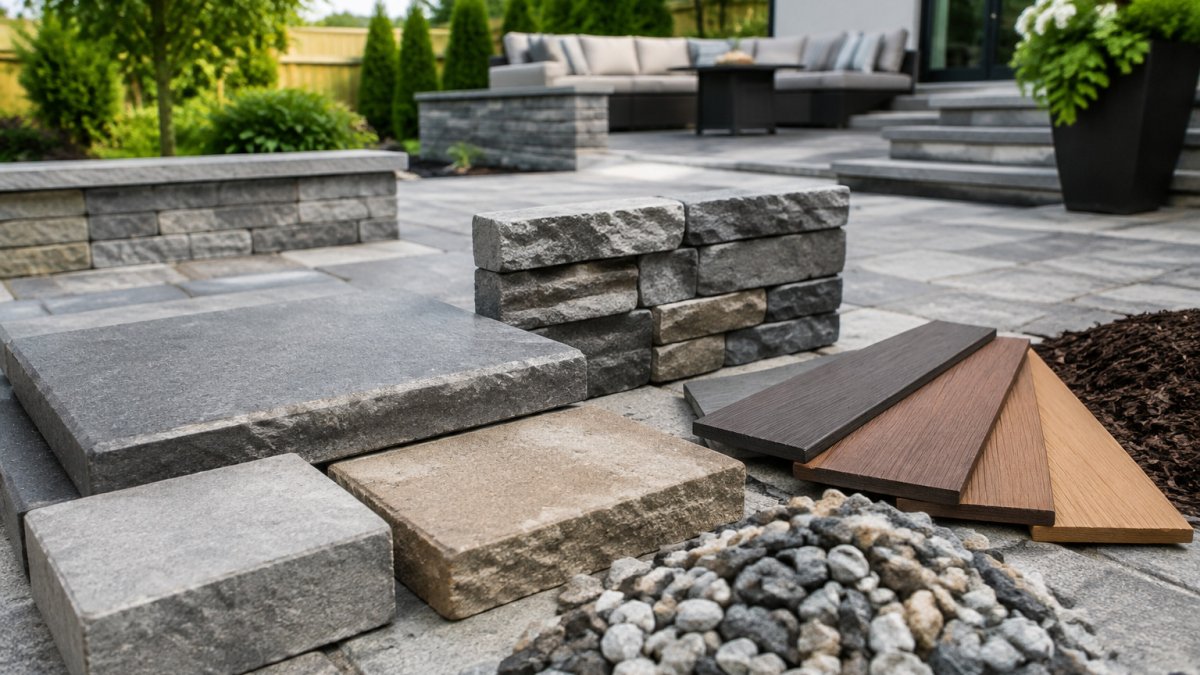
Interlocking concrete pavers win on consistent durability and predictable cost; natural stone wins on appearance and, for dense granite, longevity. Concrete pavers are manufactured to a uniform standard, so absorption and strength stay consistent; natural stone varies, with granite generally dense, limestone softer and more absorbent, and flagstone the most variable. Pricing depends on quantity, dates, and delivery, so we recommend contacting Green Side Up Contracting Inc through the website for a current quote.
Canadian Standards Association guidance on precast concrete pavers sets benchmarks manufacturers build to, which is a useful filter when comparing products.
Interlocking concrete pavers are often a practical choice for a busy patio; natural stone can suit a front walkway where character matters most. We explain why we favor interlocking patios over decking in our climate, and you can explore interlocking patio options and finishes.
Paver Base Material, Permeable Pavers for Drainage, and Pool Deck Materials
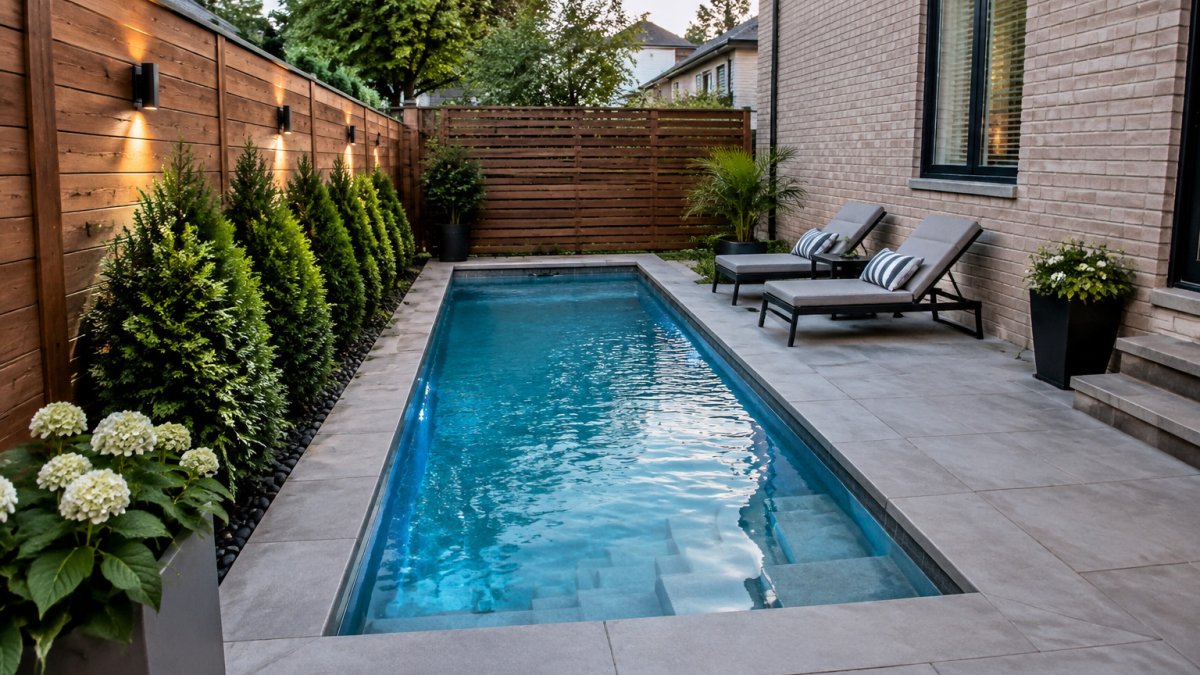
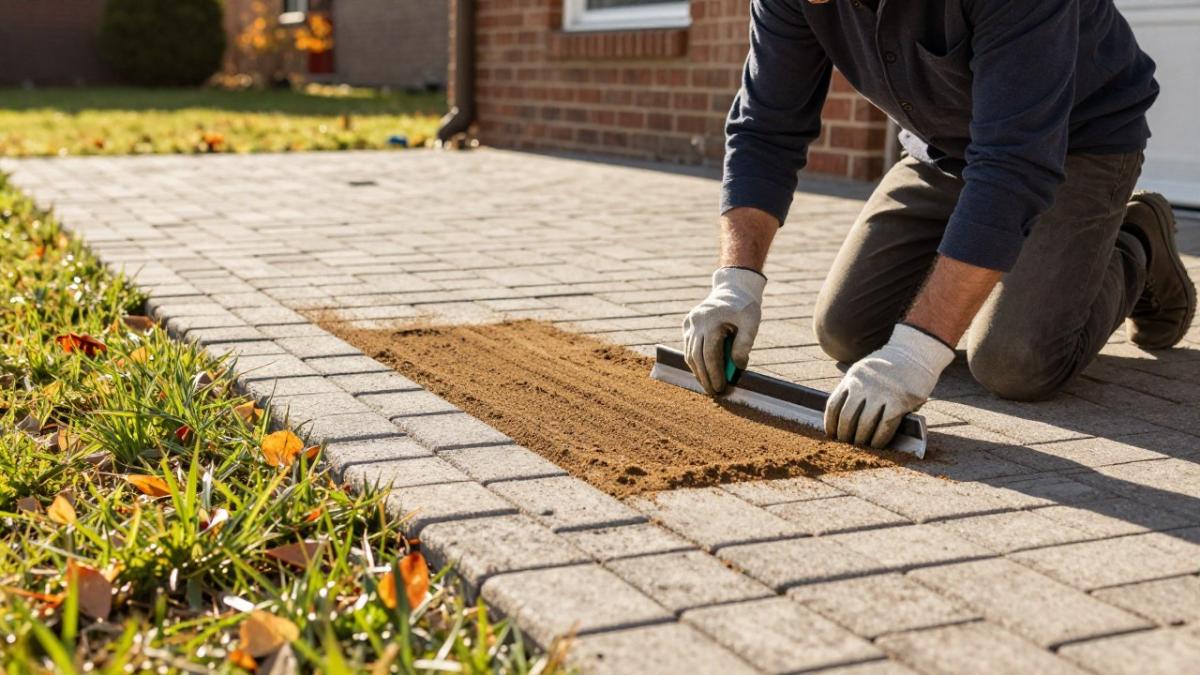
Base material is central to how Ontario hardscapes perform. Granular A (crusher run) is a common compacted sub-base, with limestone or natural screenings as bedding and joint sand locking the surface. Permeable pavers let water pass through open joints and a graded stone reservoir. Pool deck materials are typically chosen for slip resistance and comfort underfoot.
For yards that flood or erode, our guide to preventing backyard erosion pairs with base decisions, and our pool deck design plans cover material and style.
Ontario winters punish shortcuts, and the difference between a patio that lasts decades and one that fails in three years comes down to material selection and base construction. Green Side Up Contracting Inc brings 26 years of experience, Landscape Ontario membership, and HomeStars wins to hardscape projects across the GTA, York Region, and Simcoe County. Request a residential quote for a hardscape built to handle freeze-thaw.
Frequently Asked Questions
What hardscaping materials hold up best to freeze-thaw cycles?
Interlocking concrete pavers and dense natural stone such as granite handle freeze-thaw cycles best because they absorb little water and flex with ground movement. The material matters less than the build underneath: a compacted Granular A sub-base, a proper bedding layer, and a secure edge restraint keep the surface from heaving or settling. Permeable pavers with open joints also help water drain instead of pooling and refreezing.
Are concrete pavers or natural stone better for patios?
Concrete pavers cost less, come in consistent sizes, and are easy to repair because individual units can be lifted and reset. Natural stone such as flagstone or limestone offers a unique look and long lifespan but costs more and needs more careful installation on a stable base. For most patios, interlocking pavers give the best balance of price, durability, and simple maintenance through winter.
What base material should be used under patio pavers?
Use compacted Granular A or crusher run for the sub-base, then a thin bedding layer of limestone screenings or high-performance bedding sand. The sub-base depth depends on soil and load, but it must be compacted in layers to prevent settling. Good drainage away from the house and a solid edge restraint are just as important as the paver choice for a surface that lasts.