
Last Updated: November 12, 2026
Quick Summary
Choosing durable fencing for harsh winters means matching the material to freeze-thaw conditions: vinyl resists moisture but thin panels can crack, cedar needs annual sealing, and aluminum and steel resist rust. Posts must extend below the local frost line with crowned concrete footings and good drainage.
- Vinyl resists moisture without absorbing it, but thin panels can crack in cold.
- Aluminum offers excellent wind and snow load resistance with only occasional washing.
- Dig posts below the frost line and widen the base against upward pressure.
- Crown concrete above grade and slope it away from the post until cured.
- Vinyl, aluminum and composite cost more upfront but need little beyond cleaning.
Table of Contents
- Best Fence Materials for Cold Weather
- Fence Post Depth Requirements and Frost Heave Fence Post Installation
- Get a Winter-Ready Fence Quote for Your Property
- Frequently Asked Questions
Best Fence Materials for Cold Weather
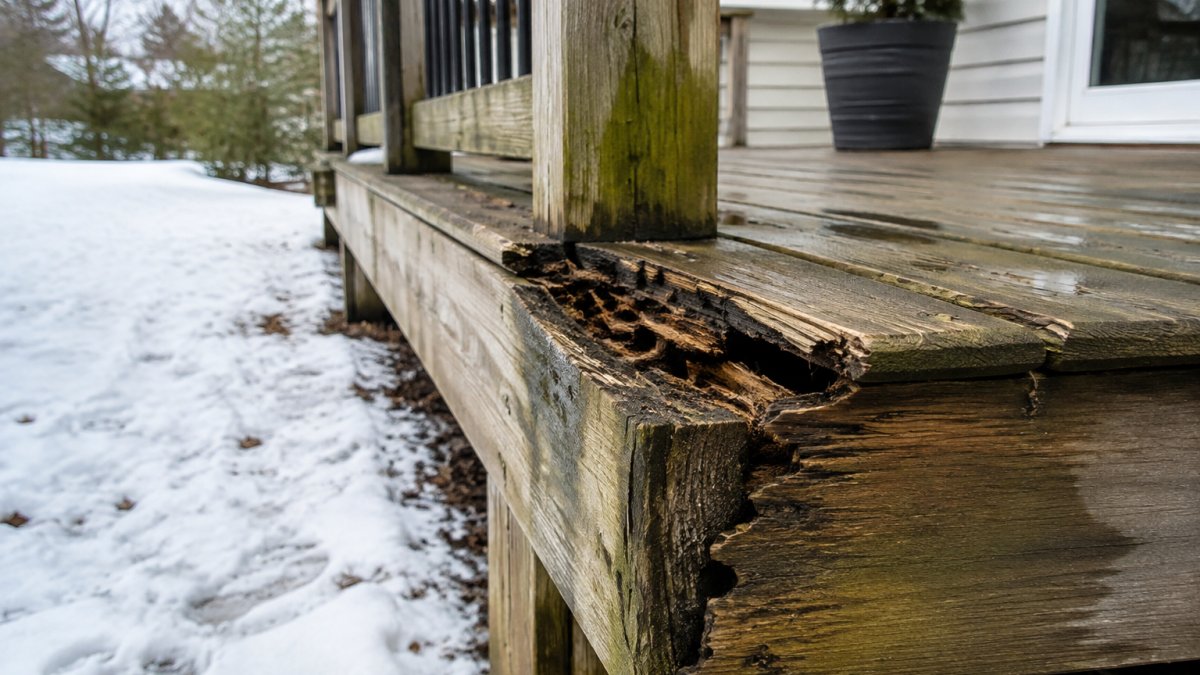
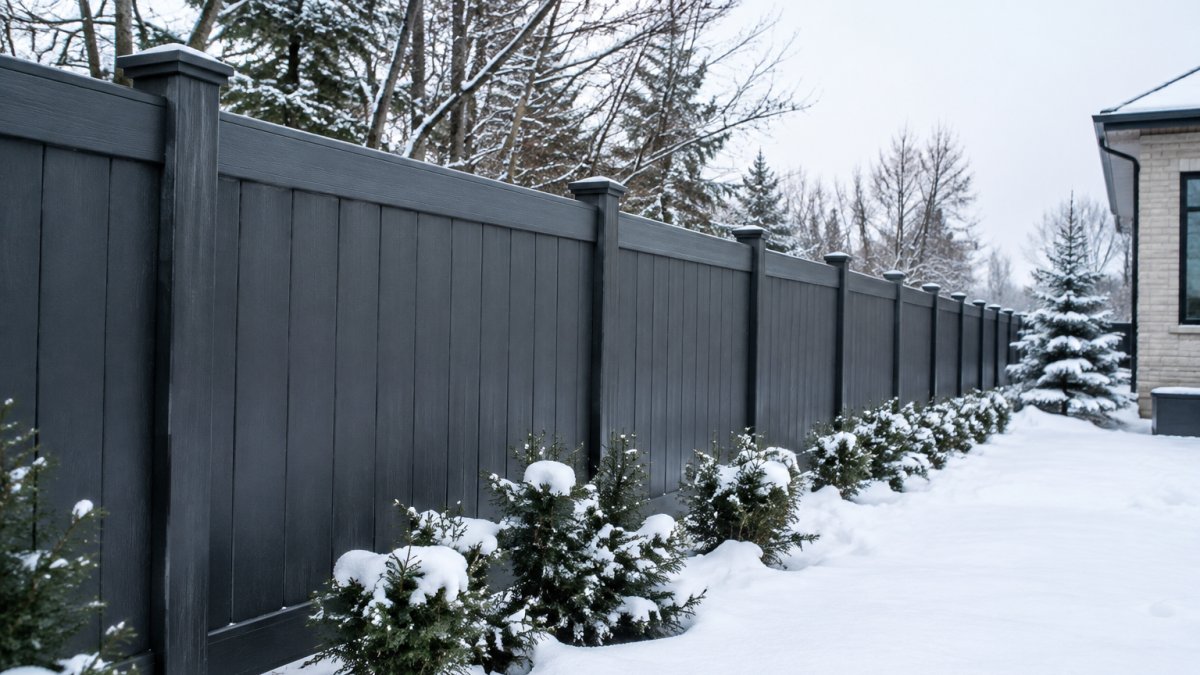
Choosing durable fencing for harsh winters starts with how each material behaves when water freezes inside it. Failures in fencing often trace back to moisture and movement: vinyl resists moisture but thin panels can crack, cedar needs annual sealing, aluminum and steel resist rust, and composite resists rot. See our guide to fence materials and their value and how long aluminum fencing lasts.
| Material | Freeze-Thaw Resistance | Wind & Snow Load | Maintenance | Best For |
|---|---|---|---|---|
| Vinyl | High, no moisture absorption | Good with proper posts | Rinse only | Low-maintenance yards |
| Aluminum | High, no rot or rust | Excellent | Occasional wash | Long-term durability |
| Composite | High, moisture resistant | Good | Soap and water | Wood look, low upkeep |
Fence Post Depth Requirements and Frost Heave Fence Post Installation
Fence post depth requirements depend on the local frost line; posts should extend below it, and concrete footings are commonly used. Confirm local bylaws and setbacks before digging.
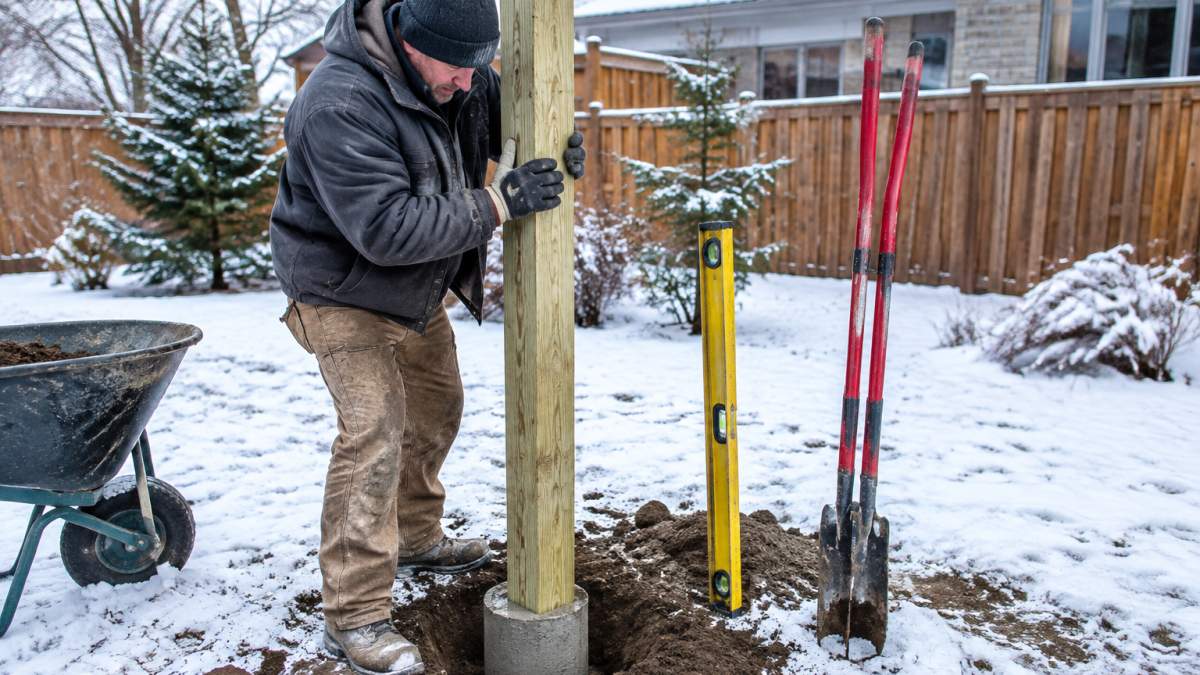
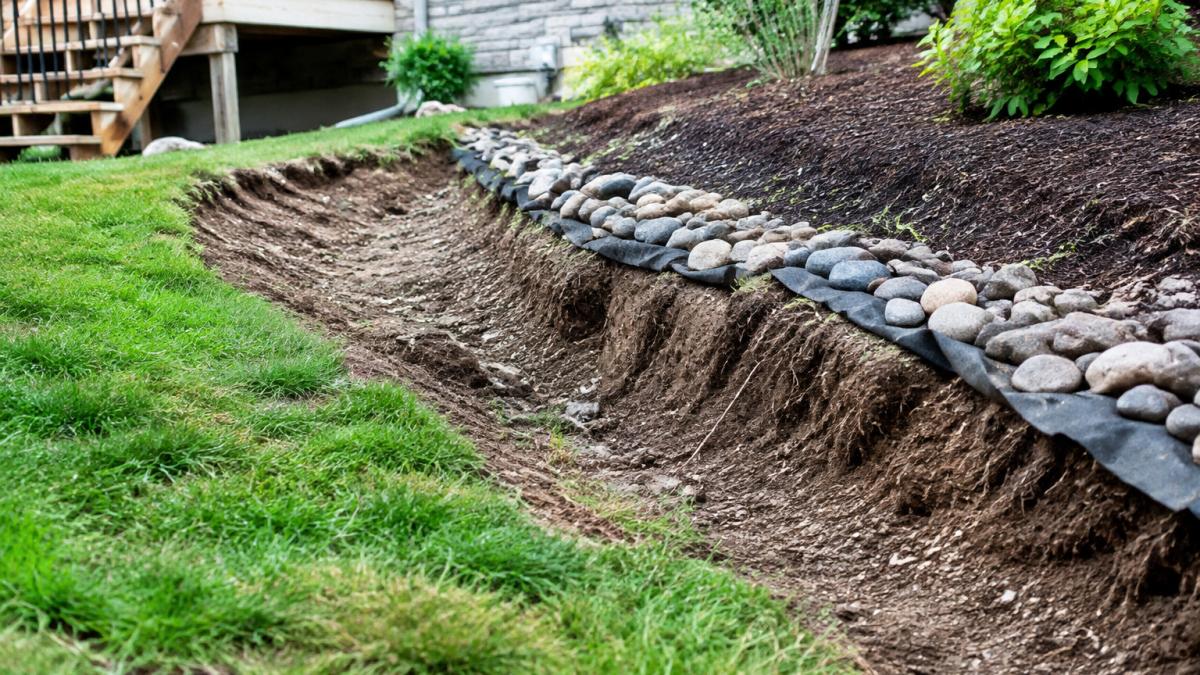
Frost heave fence post installation comes down to three habits: dig below the frost line and widen the base against upward pressure; crown the concrete above grade and slope it away from the post; and brace every post until cured. Drainage matters as much as depth, water collecting around a footing refreezes and lifts the post. Check your lot’s rules with our overview of fence bylaws across the GTA.
Get a Winter-Ready Fence Quote for Your Property
Total cost of ownership favors vinyl, aluminum, and composite, which cost more upfront but need little beyond cleaning, while wood adds annual maintenance; our fence pricing breakdown walks through what drives cost. Green Side Up Contracting Inc can assess your property, plan post depths around frost and drainage, and build a fence that holds through freeze-thaw cycles. As an Authorized TrexPro Platinum Contractor and professional member of Landscape Ontario, we bring 26 years of experience and 13 HomeStars awards. Book a fence contractor in Toronto for a quote tailored to your yard.
Winter does not have to mean a fence that leans, cracks, or rots within a few seasons. Green Side Up Contracting Inc designs and installs custom fencing built for freeze-thaw cycles, with proper post depth, concrete footings, and drainage planned from the start. Our team handles the full project, from material selection to installation, backed by decades of local experience. Get started with Green Side Up Contracting Inc and build a fence that stands up to every winter.
Frequently Asked Questions
What is the most durable fencing material for cold climates?
Vinyl and powder-coated aluminum both handle freezing temperatures well because neither absorbs moisture, so they resist rot and rust through freeze-thaw cycles. Cedar is naturally rot-resistant but needs annual sealing to stay durable. Composite combines wood-look appearance with low moisture absorption. The right choice depends on wind exposure, snow load and how much maintenance you want to take on each season.
How does frost heave affect fence post installation?
Frost heave happens when moisture in the soil freezes, expands and pushes upward, lifting shallow posts and shifting panels out of line. Posts set above the local frost line are the most vulnerable. Setting posts below the frost line in concrete footings, with proper drainage and gravel at the base, keeps them stable. Frost heave fence post installation done right prevents the leaning and gate misalignment that show up every spring.
What depth should fence posts be buried to prevent frost heave?
Fence post depth requirements depend on your local frost line. As a rule, posts should sit below the frost line in your area. Deeper footings in well-drained soil resist frost movement. A contractor familiar with local soil conditions can confirm the right depth for your property.